Birds Chirping at 3 AM: Reasons Behind Nighttime Singing
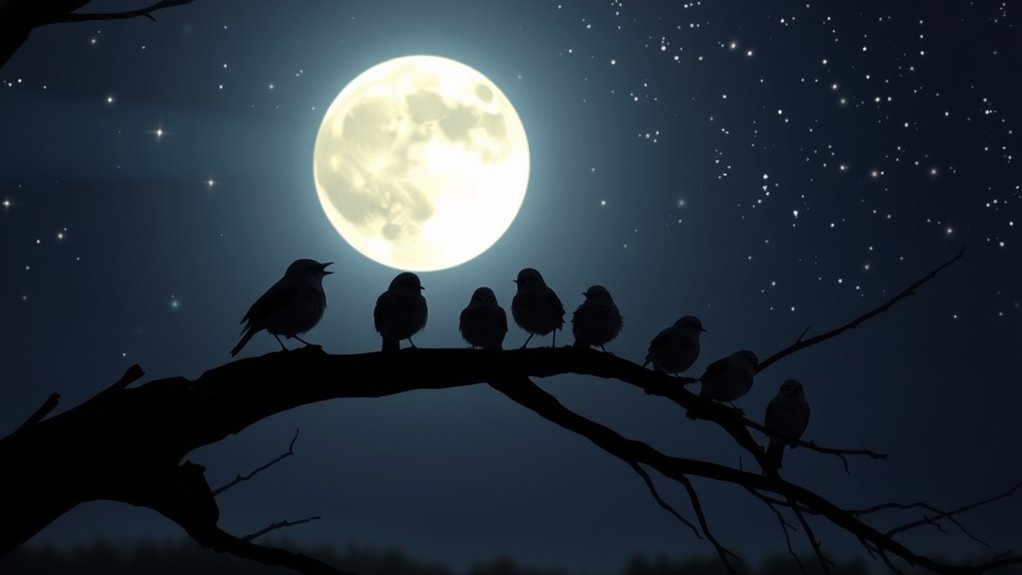
Hearing birds chirping at 3 AM might surprise you, but there is a clear reason for it. These sounds often help birds communicate with each other. They use their songs to mark their territory and draw in mates. Several factors affect this nighttime singing, including weather and social interactions. By understanding these behaviors, we can appreciate the unique ways birds connect and thrive in their environments.
Key Takeaways
Birds chirp at night for several reasons. They communicate and establish their territory, especially during mating season.
At night, there are fewer predators, allowing birds to sing without much fear. Calm and clear weather helps their songs carry farther, making their vocalizations more effective.
These nighttime calls also boost social bonds among birds and help them coordinate with each other. Environmental changes, such as shifts in temperature and the presence of moonlight, can affect when and how birds sing.
Understanding these behaviors can enhance your appreciation for birds and the natural world around you. Their nighttime songs contribute to the ecosystem, showcasing their unique ways of interacting with each other and their surroundings.
The Science of Nocturnal Vocalization
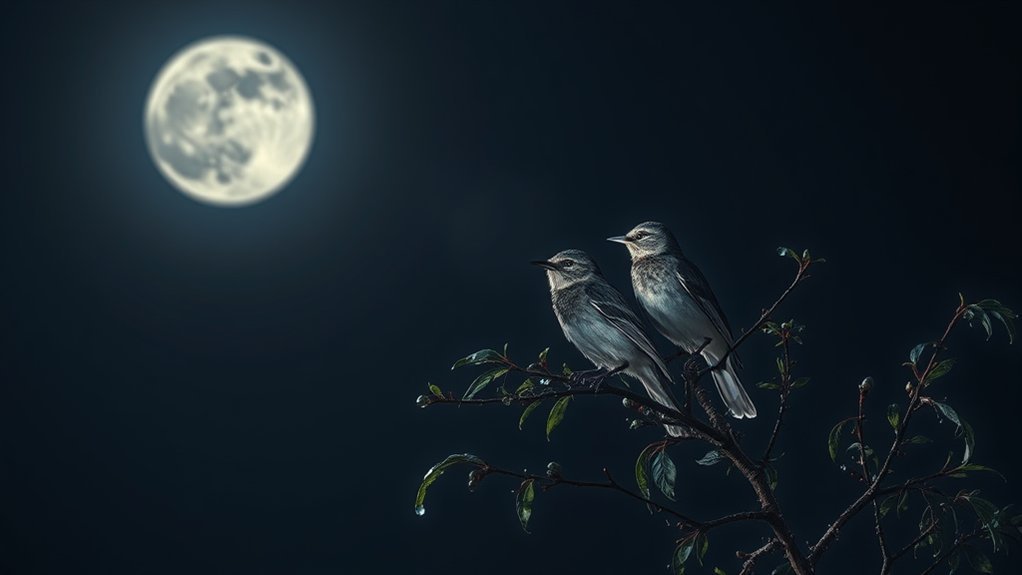
Nocturnal vocalization is common among many animals. Creatures sing or call to communicate, connect, and survive. For example, birds often sing at night to mark their territory and attract mates, especially during mating season. Their calls travel well in the cooler night air, allowing others to hear them clearly.
In addition to attracting mates, these vocalizations help create social bonds within groups. They assist in coordinating activities during the night. Understanding these behaviors gives us insight into how creatures interact and thrive in nature.
Nocturnal sounds enrich our connection to wildlife and show us the importance of communication in the animal kingdom.
Enjoy listening to these nighttime performances; they reveal much about life and relationships in the wild.
Factors Influencing Nighttime Singing
Nighttime singing in animals, especially birds, is influenced by several key factors. These factors include social behaviors, predator presence, and weather conditions.
- Social Interactions: Birds often sing at night to communicate with partners or assert their territory. This singing helps maintain social bonds and group dynamics.
- Low Predator Activity: At night, there are usually fewer predators around. This allows birds to feel safer and encourages them to vocalize.
- Weather Conditions: Calm and clear nights enhance sound travel. Birds are more likely to sing during these conditions as their calls can be heard over greater distances.
These factors combine to create a lively atmosphere for birds under the night sky, showcasing their behaviors and interactions.
The Role of Environmental Adaptations in Birdsong
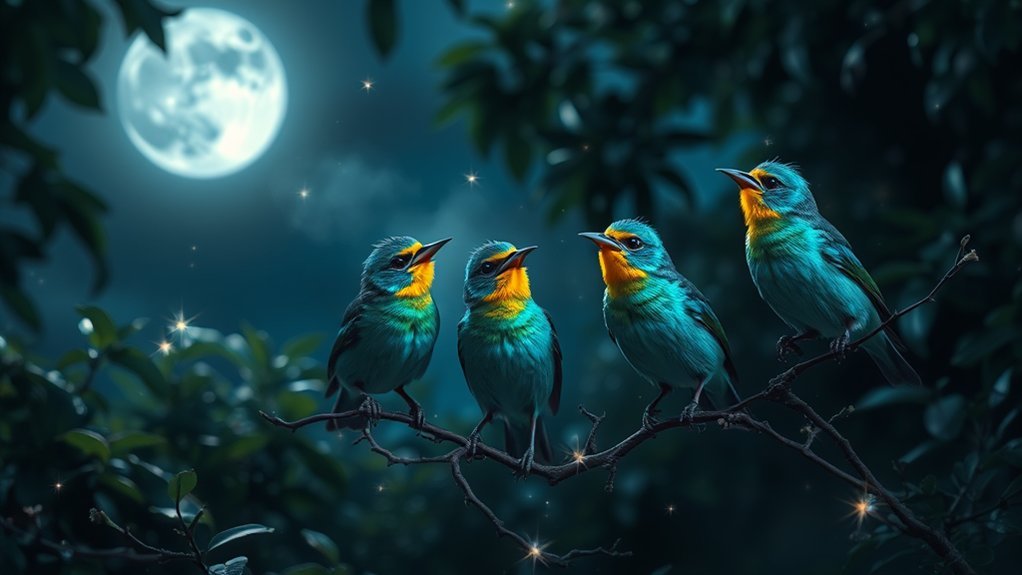
Environmental adaptations significantly influence how birds use their songs. Different species may develop nocturnal singing habits, which help them succeed in the dark.
For example, these birds often use environmental signs, like temperature shifts or moonlight, to time their calls just right. This skill improves their communication, helps them establish territory, and attracts mates during quieter nighttime hours.
As they sing, you can notice their vocal patterns change based on what's happening nearby. These behaviors illustrate how a bird's environment affects its song, making their nightly performances more fascinating and relatable.
Frequently Asked Questions
Why Do Some Birds Chirp While Others Remain Silent at Night?
Some birds chirp at night because they have adapted to their surroundings. These nocturnal birds use calls to communicate and establish territory. They respond to changes in their environment, allowing them to thrive. On the other hand, some birds stay silent to avoid predators and conserve energy. This behavior helps them survive in their habitats. Each species has its own strategy for communication and survival.
Are There Specific Species That Are More Likely to Sing at Night?
Certain nocturnal animals, such as owls and nightingales, sing at night. Their calls help them establish territory and attract mates. These unique vocalizations enrich the nighttime environment.
How Does Artificial Lighting Affect Nighttime Bird Singing?
Artificial lighting affects bird behavior at night. It often leads to more singing. Light pollution disrupts their natural rhythms. This confusion causes birds to react to false cues. As a result, their survival and mating patterns may change.
Can Nighttime Chirping Indicate Changes in Weather Patterns?
Nighttime chirping can serve as a sign of changing weather. Birds often change their songs and calls with the seasons. By observing these changes, you can gain insights into nature and connect more deeply with your surroundings. Watching the patterns in bird behavior may help you predict weather shifts, adding an interesting layer to your night sky observations.
Is There a Relationship Between Moon Phases and Nighttime Bird Songs?
Moonlight affects the behaviors of nocturnal birds. Certain phases of the moon may lead to more singing. By watching these patterns, you can find interesting links between moon cycles and nighttime bird songs.

Kashvi is a passionate bird enthusiast and nature lover who has been fascinated by the world of birds for years. With a keen eye for detail and a love for learning, Kashvi is dedicated to sharing her knowledge and insights with fellow bird enthusiasts on Avian Enthusiasts. Through her engaging and informative articles, Kashvi aims to inspire others to join her in exploring the fascinating world of birds and to promote a deeper appreciation for these incredible creatures.