9 Amazing Birds That Lay Blue Eggs
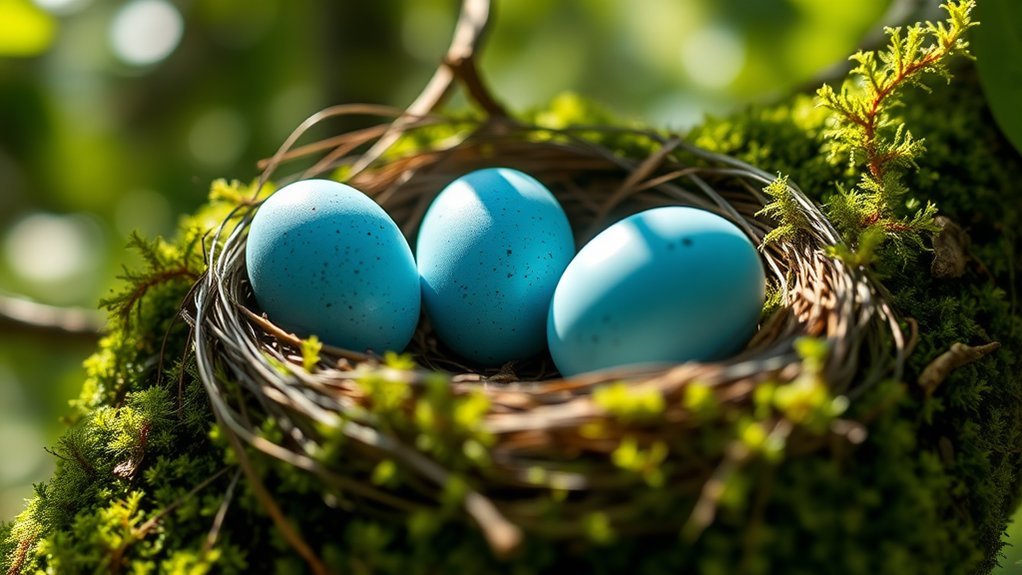
Some birds lay beautiful blue eggs. This eye-catching color serves important purposes, such as helping to blend in with their surroundings and showing their health. Each of these nine bird species has unique nesting behaviors and traits that help them survive in their environments. Learning about these features reveals interesting details about their lives and their roles in nature.
Key Takeaways
- The American Robin lays blue eggs. These eggs symbolize hope and renewal in spring.
- Eastern Bluebirds lay 3 to 7 pale blue eggs. The incubation period lasts 12 to 14 days.
- California Quail lays blue eggs that camouflage well in their environment. This offers protection from predators.
- Many other bird species also lay blue eggs, showing the diversity found in nature.
- Birdwatching highlights nesting behaviors, improving our understanding and appreciation of these birds and their blue eggs.
American Robin

The American Robin is known for its cheerful song. This bird lays beautiful blue eggs that catch the eye.
Robins build nests in safe places like shrubs, trees, or hanging planters. The sky-blue color of the eggs helps keep them warm and provides some protection against predators, helping the chicks survive.
In spring, watching these nests can be a joyful experience, symbolizing renewal and hope. Getting to know the American Robin can strengthen your connection to nature and improve your understanding of wildlife relationships.
Eastern Bluebird
The Eastern Bluebird is known for its bright colors and interesting nesting habits. It prefers open woodlands and fields as its home. Here, it can find food and places to build its nest.
The Eastern Bluebird mainly eats insects, berries, and fruits, which allows it to live in many environments.
Here are some important facts about the Eastern Bluebird:
- They nest in tree cavities or man-made birdhouses.
- Female bluebirds lay 3 to 7 pale blue eggs.
- The incubation period is about 12 to 14 days.
- Both parents help feed the hatchlings.
- They often return to the same nesting locations each year.
Learning about these traits helps us appreciate the Eastern Bluebird's importance in nature.
Blue Jay

The Blue Jay is a bird known for its bright blue feathers and unique behaviors. It resides in woodlands, parks, and suburban areas, thriving in these diverse environments.
Blue Jays show complex social interactions and vocalizations that highlight their intelligence. They're resourceful and often store food for later use.
Their loud calls and vibrant color make them a noticeable part of the ecosystem. Observing Blue Jays can enhance your appreciation of birds and nature around you.
Barn Swallow
When you see a Barn Swallow flying smoothly over fields or near water, you'll notice its slender shape and forked tail. These birds have interesting behaviors, such as their swift flying abilities.
They build nests under eaves or bridges using mud, grass, and feathers, creating warm spaces for their chicks.
Here are some key facts about Barn Swallows:
- They undertake long migration trips.
- Their calls include chirps and trills, used to communicate with mates.
- They perform aerial displays during courtship.
- They help control insect populations by feeding on pests.
- Their blue eggs match the colors of their nests.
Watching Barn Swallows can be a delightful experience as they exhibit their remarkable flight and nesting habits.
House Finch

The House Finch is a colorful bird commonly found in cities. It's known for its bright feathers and pleasant song. House Finches adapt well to human environments. They often build nests on balconies or ledges. This behavior shows how well they adjust to city life.
House Finches are social birds. You can often see them in groups, feeding together. Their diet includes seeds, fruits, and flowers, providing them with a varied menu.
They've a unique way of cracking seeds open to eat. Learning about their habits and food preferences helps you appreciate how these delightful birds brighten urban areas.
Mourning Dove
The Mourning Dove is a gentle bird found in many habitats, such as urban areas and open woodlands. It's known for its soft cooing and elegant appearance.
Mourning doves have a calm behavior and display interesting rituals, especially during nesting.
Here are some key facts about these birds:
- They build nests in sheltered spots using twigs and grasses.
- They lay two white eggs with a slight blue tint.
- Mourning doves mate for life and form strong pair bonds.
- Their cooing sounds can create a soothing atmosphere.
- They adapt well to different environments and thrive alongside human activity.
Enjoy watching these beautiful birds in your area!
European Blackbird
You can find the European Blackbird in many places, such as gardens and woodlands. Its bright presence and beautiful song make it popular among birdwatchers.
This bird adapts well to different European environments. You'll notice its shiny black feathers and bright yellow eye ring, which add to its appeal.
Male blackbirds sing to mark their territory and attract females during the mating season. Their diet mainly includes insects and berries, highlighting their flexible feeding habits.
As you observe the European Blackbird, you'll see its importance in nature. This connection deepens your appreciation of the outdoors and enriches your birdwatching experience.
Enjoy the beauty these birds bring to your surroundings.
Indigo Bunting
The Indigo Bunting is a stunning bird known for its bright blue feathers, particularly during the breeding season. These small songbirds live in brushy areas and open woodlands throughout North America.
Male Indigo Buntings sing to mark their territory and attract mates.
Here are some key facts about the Indigo Bunting:
- Males are bright blue, while females have brown feathers.
- They prefer habitats with plenty of cover, such as fields and forest edges.
- Indigo Buntings migrate thousands of miles to their breeding grounds.
- Their diet includes mostly seeds and berries.
- Outside the breeding season, they often search for food in flocks.
Appreciating the Indigo Bunting can help you connect with nature.
California Quail
The California Quail is a charming bird found in California's shrubby areas, grasslands, and open woodlands. It has a distinctive call that sounds like "chi-ca-go."
These quails are social and often travel in small groups known as coveys. They search for seeds, fruits, and insects on the ground. Their adaptability helps them thrive in various environments.
California Quails build nests near cover and lay blue eggs. The eggs blend into their surroundings, providing camouflage to protect them from predators.
Each aspect of the California Quail contributes to its appeal and resilience in nature.
Frequently Asked Questions
Are Blue Eggs a Sign of a Healthy Bird Species?
Blue eggs can be a sign of a healthy bird species. The color of a bird's eggs often connects to how well the species adapts to its environment and can affect its reproductive success. Brightly colored eggs may increase the chances of survival for the next generation. This can help species thrive in their habitats.
Do All Birds With Blue Eggs Have Similar Nesting Habits?
Not all birds with blue eggs have the same nesting habits. The color of the eggs does not determine how birds build their nests. Some birds prefer to hide their nests, while others build them in open spaces. This variety shows how birds adapt to their surroundings and meet their needs in different environments. Each bird species has its own unique approach to nesting, which adds to the diversity of bird behavior.
How Does the Color of Bird Eggs Affect Their Survival?
The color of bird eggs is important for survival. Egg color helps birds adapt to their environment. Darker eggs can blend in better with some habitats. This camouflaging reduces the risk of predators finding the eggs. As a result, the chances of hatching successfully increase. Understanding egg color is key to bird survival.
Can the Diet of Birds Influence the Color of Their Eggs?
Yes, a bird's diet affects the color of its eggs. The nutrients in their food can change the availability of pigments, which may lead to different egg colors. This link shows how nutrition impacts reproductive success and survival.
Are Blue Eggs More Vulnerable to Predators Than Other Colors?
Blue eggs can be more vulnerable to predators based on how predators see them and how well they blend into their environment. In areas where brown or green colors dominate, blue eggs may be easier for predators to spot. This increased visibility can lead to a higher risk of predation for blue eggs.

Kashvi is a passionate bird enthusiast and nature lover who has been fascinated by the world of birds for years. With a keen eye for detail and a love for learning, Kashvi is dedicated to sharing her knowledge and insights with fellow bird enthusiasts on Avian Enthusiasts. Through her engaging and informative articles, Kashvi aims to inspire others to join her in exploring the fascinating world of birds and to promote a deeper appreciation for these incredible creatures.