10 Blue Birds of California You Must Know
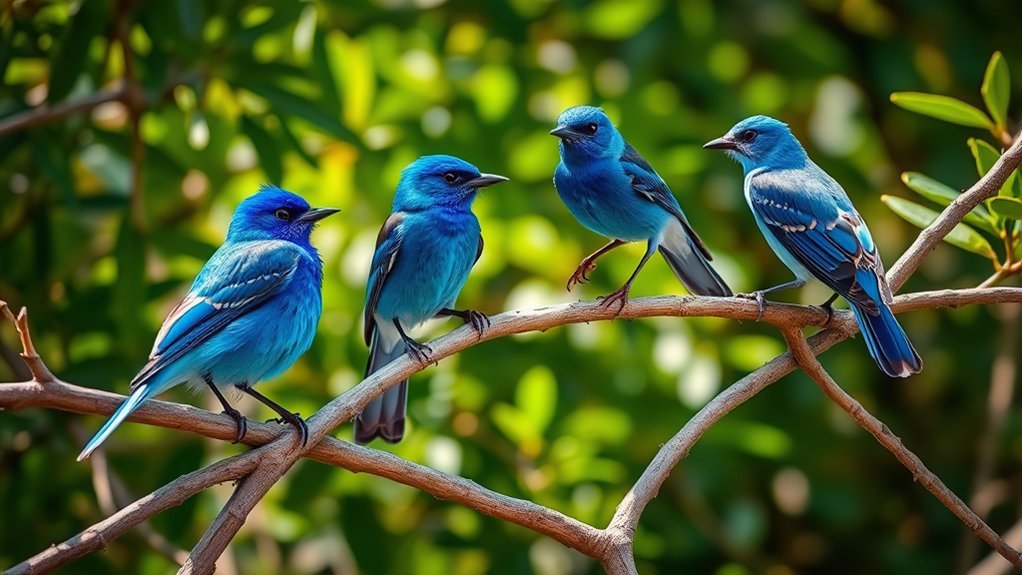
California hosts a variety of blue birds, each with unique features and important roles in their ecosystems. The Western Bluebird has bright feathers and prefers open grassy areas. The Blue Jay, known for its adaptability and intelligence, often thrives in places altered by humans. Observing these birds reveals interesting traits that help them survive. Let's explore the beautiful range of blue birds in California.
Key Takeaways
- Western Bluebird: This bird lives in open woodlands and grasslands. It displays bright colors and exhibits cooperative breeding behavior.
- Mountain Bluebird: This bird favors open mountain meadows. It has striking azure plumage and graceful flight during migration.
- Eastern Bluebird: Identifiable by its rusty orange chest, this bird nests in tree cavities. It benefits from conservation efforts, such as the use of nest boxes.
- Blue Jay: This bird is vibrant and bold. It adapts to various habitats and uses diverse calls. It also stores food for later use.
- Lazuli Bunting and Indigo Bunting: Both birds showcase bright blue feathers. They are known for their pleasant songs and migratory patterns in California's shrubby areas.
These blue birds add color and charm to California's landscapes, making them a joy to observe and learn about.
Western Bluebird
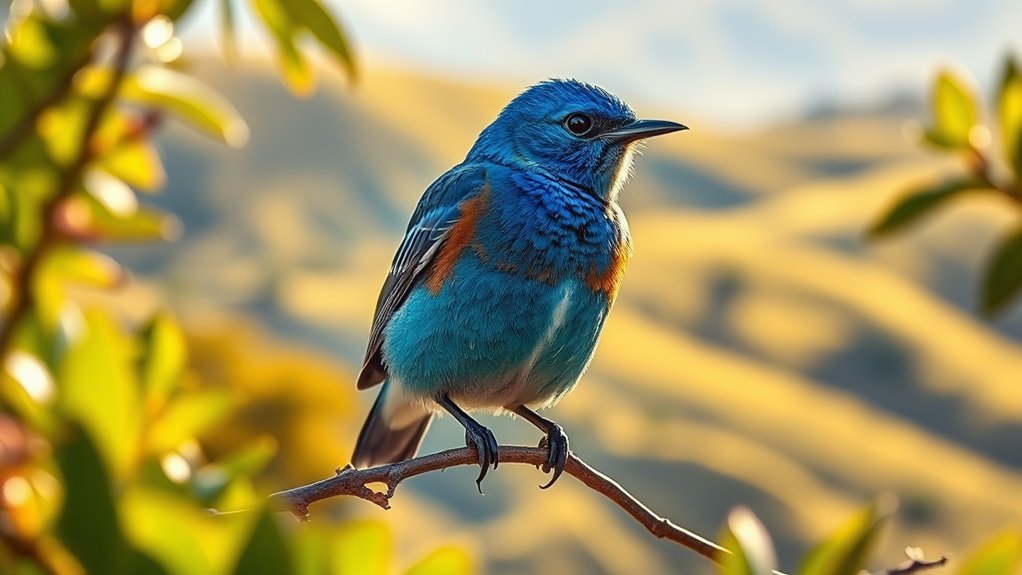
The Western Bluebird (Sialia mexicana) attracts birdwatchers with its bright colors and unique calls. These birds live in open woodlands, grasslands, and dry areas where there are natural perches for hunting insects.
Watching how western bluebirds behave reveals their social structures; they often create small family groups and practice cooperative breeding. During courtship, males show off their blue and rusty feathers, while females prefer to nest in tree holes or old woodpecker cavities.
Western Bluebirds eat insects, catching them by hovering or darting from perches. Their cheerful songs and sharp calls add liveliness to any birdwatching outing.
Observing their interesting behaviors can deepen your appreciation for California's rich bird life.
Mountain Bluebird
While exploring California, you might see the Mountain Bluebird (Sialia currucoides). This bird is known for its bright blue feathers and graceful presence.
It lives in open mountain areas, especially meadows and grasslands, where it finds insects and berries to eat. The male Mountain Bluebird has striking azure plumage that sparkles in sunlight, making it a delightful sight.
You'll notice how it flies skillfully as it moves around searching for food. Mountain Bluebirds migrate; they leave their breeding grounds in late summer and travel to warmer places for the winter.
If you spot one, you'll enjoy the beauty these birds add to California's mountain landscapes.
Eastern Bluebird
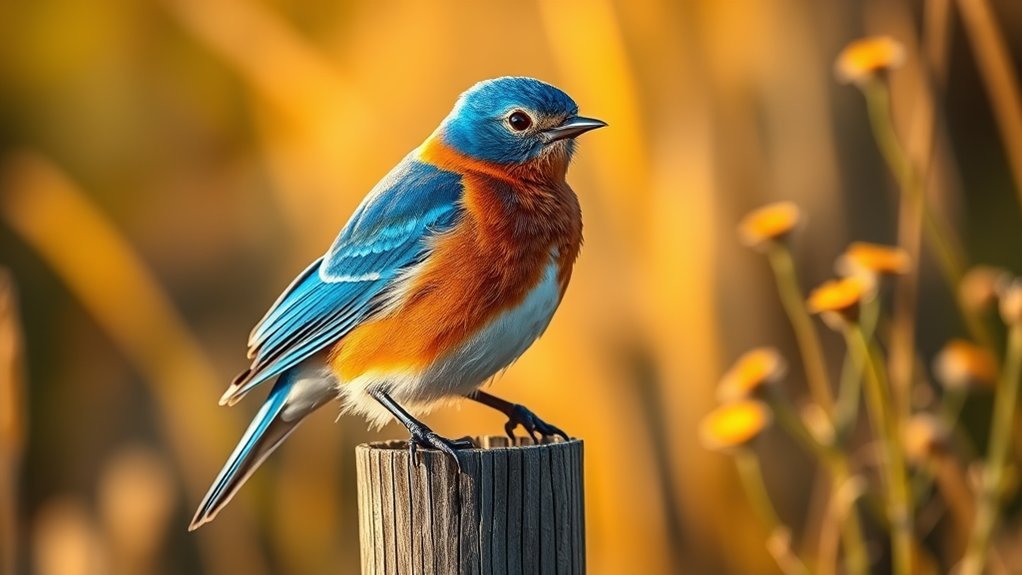
If you explore California's temperate regions, you may see the Eastern Bluebird (Sialia sialis). This bird is a colorful member of the thrush family. Its feathers are bright blue, and it has a rusty orange chest.
Here are some facts about Eastern Bluebirds:
- Nesting: Eastern Bluebirds like to nest in open fields and orchards. They often use tree cavities or man-made boxes.
- Diet: Their diet mainly consists of insects, but they also eat berries in colder months.
- Behavior: During mating season, they perform playful aerial displays and are known for their singing.
- Conservation: To protect Eastern Bluebirds, conservation efforts include programs for nest boxes and habitat restoration. These are crucial for keeping their populations stable.
Blue Jay
One striking bird in California is the Blue Jay (Cyanocitta cristata). It has vibrant blue feathers and a bold personality. This intelligent bird thrives in various habitats, including oak forests, mixed woodlands, and suburban areas.
Blue Jays are adaptable and can live in different environments. You can hear their loud, varied calls. They often communicate with their flock through vocalizations.
These social birds show interesting behavior, such as mobbing predators and playing with each other. Their diet mainly includes insects, nuts, and seeds, which they store for later use.
Observing a Blue Jay can deepen your appreciation of nature. Watching their interactions and actions helps you connect with the beauty of avian life.
Lazuli Bunting
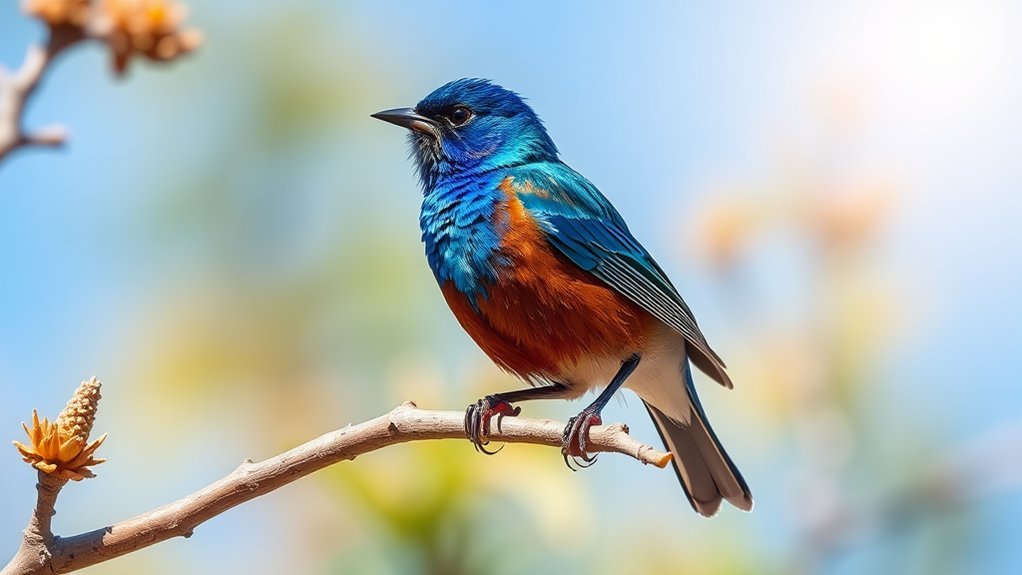
The Lazuli Bunting (Passerina amoena) is a beautiful bird found in California's open fields and bushes during summer. This bird migrates and nests in various habitats, often liking areas with dense shrubs and low plants.
Here are four important features about this bird:
- Breeding Colors: Male Lazuli Buntings have bright blue feathers, an orange breast, and white belly.
- Song: They sing a pleasant and sweet, warbling tune.
- Diet: Their diet mainly includes seeds and insects, which provide vital nutrition.
- Migration: In winter, Lazuli Buntings migrate south to Mexico and Central America, showcasing their adaptability.
Learning about these traits can enhance your appreciation for this lovely bird.
Indigo Bunting
Indigo Buntings (Passerina cyanea) attract birdwatchers with their bright blue feathers. Male buntings have vibrant blue plumage that shines in the sunlight.
These birds migrate, traveling miles from North America to Central America for winter. You can find them in shrubby areas, open woodlands, and along edges, where they prefer dense vegetation for nesting. They thrive in ecosystems filled with insects and seeds.
As you watch these birds, enjoy their beautiful songs, which add charm to their environment. Experience the joy of observing Indigo Buntings in California.
Barn Swallow
Barn Swallows (Hirundo rustica) are known for their swift flying skills. They're easy to identify with their forked tails and shiny blue feathers. You may spot them as they fly low, displaying behaviors highlighting their ability to adapt.
Key aspects to know about Barn Swallows are:
- Habitat: They live in open fields, near water, and around buildings.
- Nesting: They build mud nests under eaves or bridges, showing their cleverness.
- Social Behavior: Barn Swallows enjoy being together and often form large groups during breeding.
- Diet: They mainly eat flying insects, playing an important role in controlling pests.
Learning about Barn Swallow behavior and where they live can help you appreciate their role in California's environment.
Tree Swallow
Tree Swallows (Tachycineta bicolor) have distinct habits compared to Barn Swallows. They prefer to nest and forage in open spaces near water. They make their nests in dead trees or old woodpecker holes.
These birds have impressive flying skills and catch insects mid-air with ease. Their shiny blue-green backs and white bellies make them easy to spot.
During breeding season, males perform eye-catching aerial displays to attract females. Learning about Tree Swallows enhances your understanding of California's bird life and helps you feel more connected to nature.
Violet-green Swallow
The Violet-green Swallow (Tachycineta thalassina) stands out with its vibrant green and blue feathers. This small bird is captivating to watch.
Here are some key points about its nesting habits:
- It prefers natural cavities or man-made structures, like buildings, for nesting.
- The nest is made from grass, feathers, and plant materials.
- During nesting season, these birds often gather in colonies.
- A typical clutch has 4-6 eggs, which are incubated for about 14 days.
Violet-green Swallows migrate long distances. They travel between breeding grounds in North America and wintering areas in Mexico and Central America.
Their swift flight and friendly behavior bring joy to those observing them in California's skies, deepening your connection to local wildlife.
Blue Grosbeak
Spotting a Blue Grosbeak (Guiraca caerulea) feels like discovering a treasure in nature. Its bright blue feathers stand out against the brown-orange of its wing bars.
These birds prefer to live in shrubby areas, open woodlands, and near lowland rivers. Their diet mostly includes seeds and insects, making them important to the ecosystem.
As you watch them feed, you'll see how they crack seeds and chase insects with speed. Male Blue Grosbeaks show brighter colors than females, adding visual interest to their surroundings.
Observing these birds helps you appreciate California's rich wildlife and connects you with other bird lovers who admire these beautiful creatures.
Frequently Asked Questions
What Are the Best Habitats for Blue Birds in California?
To attract bluebirds, look for open areas with scattered trees and low vegetation for nesting. These birds prefer mild climates that provide suitable nesting spaces and plentiful food sources. Focus on regions where insects and berries are abundant. Create a welcoming habitat by adding birdhouses and ensuring access to fresh water. By providing these essential elements, you can support bluebird populations and enjoy their beautiful presence in your area.
How Can I Attract Blue Birds to My Backyard?
To attract bluebirds to your backyard, set up nesting boxes with the right size. Use bird feeders filled with mealworms and high-quality seeds. Make sure these features are sheltered and keep the area clean for the birds' health. Enjoy watching these beautiful birds visit your yard!
What Do Blue Birds Eat in California?
Blue birds in California eat a variety of foods. Their diet mainly includes insects, berries, and seeds. They enjoy beetles, caterpillars, and fruits like blueberries. Providing these foods in your backyard can attract blue birds and support the local ecosystem.
Are There Any Blue Birds That Are Endangered?
Yes, some blue birds, such as the California Bluebird, are endangered. Conservation efforts work on restoring and protecting their habitats. These actions help the bluebird population grow and support biodiversity in their ecosystems.
When Is the Best Time to Observe Blue Birds in California?
The best time to watch blue birds in California is in spring. During this time, birds migrate, build nests, and raise their young. You can see many colorful birds as they establish their territories and care for their families. This season offers excellent chances for birdwatching enthusiasts to enjoy these vibrant activities.

Kashvi is a passionate bird enthusiast and nature lover who has been fascinated by the world of birds for years. With a keen eye for detail and a love for learning, Kashvi is dedicated to sharing her knowledge and insights with fellow bird enthusiasts on Avian Enthusiasts. Through her engaging and informative articles, Kashvi aims to inspire others to join her in exploring the fascinating world of birds and to promote a deeper appreciation for these incredible creatures.