

Where to Find Rare Birds Near You: Tips for Spotting Them
Finding rare birds requires a clear plan. Start by studying migration patterns and identifying their preferred habitats. Certain areas like wetlands and coastal regions often attract unique bird species. Seasonal changes also impact bird movements, so it's important to stay updated.
Using birdwatching apps can help you spot recent sightings close to you. Connecting with local birdwatching groups can offer valuable tips and insights. With this information, where will you go birdwatching next?
Key Takeaways
- Visit local wetlands and coastal areas. These places often have plenty of food and attract rare birds during migration.
- Use birdwatching apps to find current sightings and popular locations for spotting rare birds.
- Join birdwatching clubs to meet experienced birders. They can provide helpful tips and location advice.
- Observe seasonal migration patterns. Spring and fall are the best times to find rare bird species.
- Keep a journal of your bird observations. Record dates, locations, and behaviors to improve your birdwatching skills over time.
Understanding Bird Migration Patterns

Bird migration patterns are impacted by environmental factors. Key triggers include temperature changes, food availability, and daylight hours. These factors affect when and how birds migrate. By keeping an eye on these triggers, you can predict migration times and identify routes.
Different bird species often follow specific paths influenced by geography, weather, and habitats. Watch for signs of migration, such as flocks flying in formation or changes in bird calls.
Engaging with the environment will enhance your understanding of these journeys. You'll feel a connection to the birdwatching community as you observe these fascinating movements.
Best Times of Year for Birdwatching
To enjoy birdwatching, timing is key. The best periods are during spring and fall migrations.
Spring migration typically occurs from late March to May. During this time, many birds return to their breeding grounds, resulting in increased bird activity.
Fall migration usually peaks from August to October as birds forage before their journey south.
Setting up seasonal feeders can help attract more birds during these busy times. These feeders provide essential food for birds as they migrate.
Keep an eye on local weather, as it can affect migration patterns. By planning your birdwatching trips around these seasons, you boost your chances of spotting unusual birds and connect more deeply with nature.
Happy birdwatching!
Ideal Habitats for Rare Birds
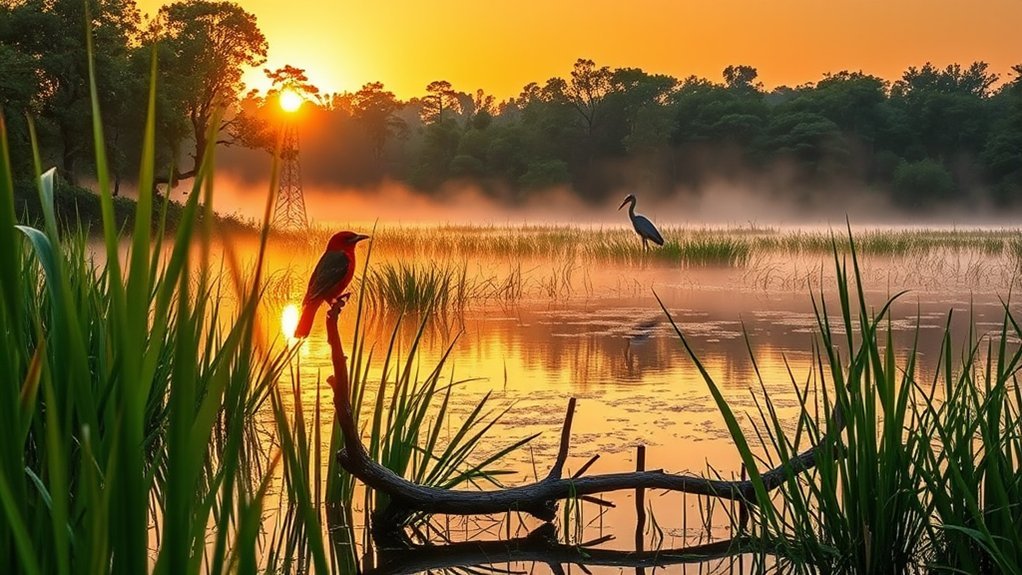
Identifying ideal habitats for rare birds involves examining crucial ecological factors. First, locate breeding grounds that offer safety and nesting materials. These areas often have dense vegetation or unique landscapes such as wetlands and coastal regions.
Next, assess food availability. The right habitat should provide suitable food sources to meet their dietary needs. Forest edges, grasslands, and riparian zones typically offer a mix of insects, seeds, and fruits essential for sustenance.
Also, consider seasonal changes. Some habitats change throughout the year and may attract migrating birds.
Utilizing Birdwatching Apps
In today's digital age, birdwatching apps can improve your birdwatching experience. These apps provide access to detailed information about birds in your area.
With location tracking, you can find spots where rare birds are seen often. Many apps also allow you to connect with other birdwatchers to share sightings and gather tips.
Interactive maps help you plan your trips, making the most of your time outdoors. By using these tools, you can increase your chances of spotting birds and connect with others who share your passion.
Connecting With Local Birdwatching Communities
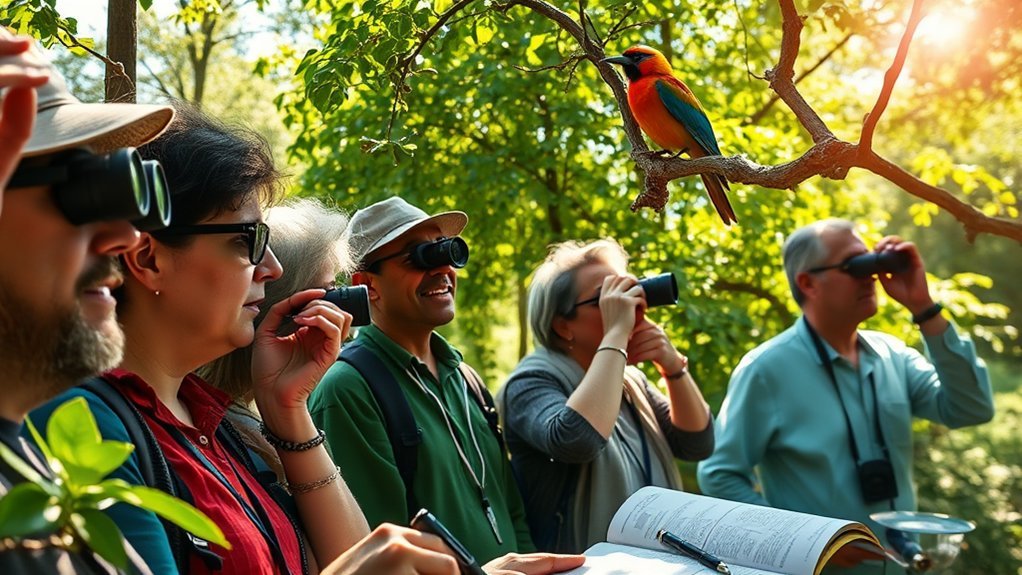
Joining a local birdwatching community can improve your birding experience. Birdwatching clubs provide valuable knowledge and expertise.
These groups often arrange local meetups, allowing you to connect with fellow birdwatchers. You can share tips and find the best spots for rare sightings. By engaging with experienced birdwatchers, you can pick up new techniques for identifying birds and understanding their behaviors.
Community members may also suggest equipment suited to your local environments. Being part of a group creates a feeling of belonging, making birdwatching more enjoyable.
Exploring National and State Parks
Exploring national and state parks offers excellent birdwatching opportunities beyond your local area. These parks are home to diverse ecosystems that support many rare bird species.
To improve your birdwatching experience, follow these tips:
- Find parks known for unique birds. Research specific locations that attract distinct avian species.
- Learn park rules. Understand regulations to ensure you respect wildlife and protect their habitats.
- Use quality birdwatching equipment. Bring good binoculars and regional field guides to assist with identification.
Pay attention to seasonal changes, as these can affect bird activity.
Engaging with other birdwatchers in these parks creates a sense of community and allows you to share experiences.
Enjoy your journey in appreciating and discovering birdlife.
Visiting Wetlands and Marshes
Why should you visit wetlands and marshes for birdwatching? These ecosystems are home to many marshland birds. You can spot species like the Virginia Rail and the Black-crowned Night-Heron, both of which thrive here.
As you explore, look for dense plants and open water, as these areas attract birds looking for food and shelter. The best times for birdwatching are early mornings and late afternoons when birds are most active.
Bring binoculars for close-up views and a field guide to learn about different species. Enjoying these natural landscapes helps you connect with nature and other birdwatchers.
Taking Advantage of Coastal Areas
Coastal areas provide great birdwatching opportunities. These locations serve as important stops for birds during migration. They offer food and shelter, making them ideal for observing various bird species.
- Look for shorebirds searching for food in the sand during low tide.
- Watch for diving seabirds and migrating birds like puffins and gannets in the water.
- Check rocky outcrops where raptors often hunt along the shoreline.
These simple steps can lead to memorable birdwatching experiences. Enjoy your time observing the birds!
Scouting Urban Birding Locations
Urban areas can offer great birdwatching opportunities. To find urban birding spots, look for city parks, gardens, and waterfronts. These locations provide habitats for many bird species, especially migratory ones.
Check the vegetation, as trees and shrubs are good for nesting and foraging. Early mornings are best for birdwatching because birds are most active then.
Use local birding apps or community forums to share your findings and connect with other birdwatchers. This can make your experience better and help you learn more.
Learning Calls and Songs of Rare Birds
Mastering the calls and songs of rare birds can enhance your birdwatching. Familiarize yourself with different bird calls to improve your song identification skills. This will help you spot elusive species more easily. Listening intently in the field and using sound apps will increase your chances of success.
- Train your ear by listening to recordings of specific birds to recognize their sounds.
- Match calls to their habitats to improve your observation techniques.
- Practice identifying calls during your daily walks to reinforce your learning.
Enjoy the journey of discovering bird songs and enhance your birdwatching experience.
Observing Birds During Different Weather Conditions
Birdwatching involves more than identifying bird calls and songs. It's also important to understand how weather affects bird behavior.
Temperature changes can significantly impact bird activity. On warm days, birds often feed more to gain energy. In cooler conditions, they tend to conserve energy, resulting in less activity.
During bad weather, birds show adaptability. They may seek shelter or become more vocal to communicate with each other.
Recognizing these patterns enhances your observation skills and connects you more with nature. Pay attention to the weather and adjust your birdwatching tactics as needed.
Birdwatching involves adapting to nature while enjoying its beauty.
Documenting Your Sightings and Experiences
Documenting your birdwatching experiences is important for improving your skills and enjoyment. Keeping a journal or sighting log helps track your observations.
Here are simple practices to follow:
- Write down the date, time, and location of each sighting.
- Observe and note the behavior, environment, and any unique markings of the birds.
- Reflect on how you felt and what you experienced during each outing.
This method helps you remember each bird's details and strengthens your connection with nature.
Frequently Asked Questions
What Should I Wear for Comfortable Birdwatching?
For comfortable birdwatching, wear breathable layers appropriate for the weather. Choose moisture-wicking fabrics to keep dry. Select sturdy footwear for good support. Avoid bright colors to help you blend in with nature. This will improve your birdwatching experience and keep you prepared for unexpected bird sightings. Enjoy your time in the outdoors!
How Can I Attract Rare Birds to My Backyard?
To attract rare birds to your backyard, set up bird feeders with a variety of seeds. Add native plants to provide natural food sources. This will create a friendly space that draws in these birds, making your birdwatching enjoyable.
What Equipment Is Essential for Novice Birdwatchers?
Good quality binoculars are essential for birdwatching. Look for binoculars with 8×42 magnification for clear views. A reliable field guide will help you identify different bird species. These tools improve your experience and allow you to connect with other birdwatchers. Enjoy your journey into birdwatching!
Are There Specific Birdwatching Ethics I Should Follow?
When birdwatching, practice responsible behavior. Keep a safe distance from nesting areas. Avoid causing disturbances to birds and their habitats. By following these simple rules, you help protect wildlife and support a positive community among birdwatchers. Enjoy observing birds while ensuring their safety and well-being.
How Do I Report Sightings of Rare Birds?
When you spot a rare bird, follow these steps to report it. First, write down the details of your sighting, including the location and time. Next, share your information with local birdwatching groups. This helps build community databases and supports conservation efforts. Your observations are valuable and can make a difference.

Kashvi is a passionate bird enthusiast and nature lover who has been fascinated by the world of birds for years. With a keen eye for detail and a love for learning, Kashvi is dedicated to sharing her knowledge and insights with fellow bird enthusiasts on Avian Enthusiasts. Through her engaging and informative articles, Kashvi aims to inspire others to join her in exploring the fascinating world of birds and to promote a deeper appreciation for these incredible creatures.


