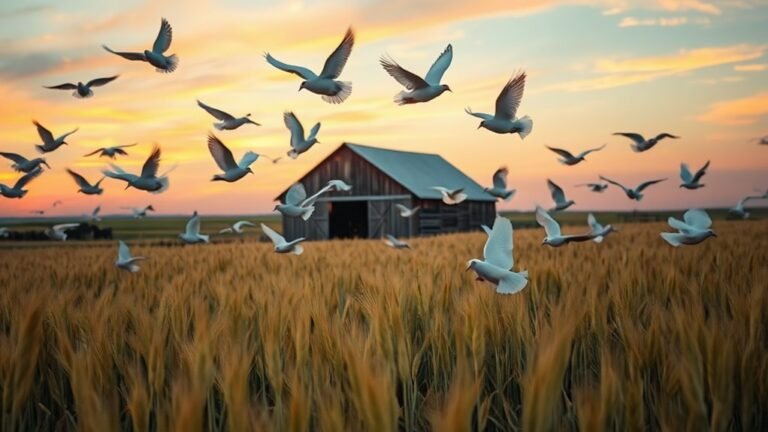
White, Black, and Grey Bird: A Unique Combination Explained
Birds with white, black, and grey plumage have distinct color patterns that serve specific purposes. Each color influences their survival strategies, camouflage, and social behaviors. These colors are connected to the birds' environments and actions. Understanding the role of these colors is essential for recognizing how they affect predator-prey relationships and mating behaviors.
Key Takeaways
Birds with white, black, and grey plumage use these colors for camouflage. This helps them hide from predators in different environments.
White feathers represent purity and peace. Black feathers symbolize mystery and protection. Together, they create a balance in meaning across cultures.
Grey feathers improve concealment by matching tree bark or snow. This trait aids in the survival of these birds.
Species like the Grey Heron and American Crow show how this color combination can represent tranquility and intelligence.
Recognizing these color patterns enhances our understanding of bird behavior and their interactions within ecosystems.
The Significance of Color in Bird Plumage
Birds showcase vibrant colors in their plumage that serve important functions. These colors often symbolize the bird's health, status, and ability to reproduce. Male birds frequently have bright feathers to attract mates, indicating their genetic quality.
In contrast, female birds tend to have muted colors, which help them blend in with their surroundings and avoid predators while nesting. These adaptations enhance both individual survival and the success of the species.
Understanding these characteristics increases our appreciation for birds and illustrates the strong links between color, behavior, and survival in nature. Each feather tells a unique story of adaptation and evolution.
Evolutionary Advantages of White, Black, and Grey
Colors in bird feathers, such as white, black, and grey, offer important advantages. These colors help birds blend into their surroundings, making it harder for predators to spot them.
When birds are in different environments, the contrast of these shades aids in their camouflage.
Bright colors attract mates, but darker colors serve a different purpose. They can discourage competitors and minimize heat absorption.
Birds with white, black, and grey feathers can also manage temperature well in changing light conditions.
Altogether, these color choices contribute to the birds' survival and success in their habitats.
Notable Species With This Color Combination
The colors white, black, and grey in bird plumage are significant for identifying species. For example, the American Crow has glossy black feathers with grey undertones. This bird symbolizes intelligence and adaptability.
The Grey Heron features a white head and a grey body, representing tranquility and vigilance. The Black-capped Chickadee, with its bold colors, reflects curiosity and sociability.
Learning about these birds helps you connect with nature and appreciate their behaviors. This knowledge fosters a sense of belonging in the ecological community.
Camouflage and Predation: A Survival Mechanism
Many birds have bright colors to attract mates or communicate. However, birds with white, black, and grey feathers often use their colors for camouflage. This helps them survive in different environments.
Camouflage allows these birds to blend into their surroundings. By doing so, they can avoid being spotted by predators and prey. For example, grey feathers can look like tree bark in forests. In cold areas, white feathers can blend with the snow.
This skill helps them stay hidden and increases their chances of survival. Their color patterns show how nature helps species adapt to their surroundings.
Mating Strategies and Color Dynamics
Birds with white, black, and grey feathers use their colors for camouflage and mating displays. Their feathers attract potential partners and influence mating behavior.
Bright colors often show health and genetic fitness. In contrast, muted shades suggest subtlety and elegance. Males display their feathers to highlight their fitness, using contrasting colors to grab attention.
This color strategy helps them communicate while managing the risk of being seen by predators. These birds demonstrate how feather color is important for survival and also plays a key role in social interactions and reproductive success.
The Role of Habitat in Color Variation
Habitats influence color variation in birds with white, black, and grey feathers. Different environments provide backgrounds that affect how birds appear. For example, birds in snowy areas often have more white feathers to help them blend in during winter.
In contrast, birds in urban settings may have darker colors to merge with their surroundings. Seasonal changes also affect color; during breeding seasons, many birds show bright colors to attract mates, while off-season they often display muted tones for protection against predators.
Understanding these factors shows how birds adapt their colors to survive and interact socially in various habitats.
The Influence of Climate on Bird Colors
Climate affects the colors of birds significantly. Changes in temperature, rainfall, and season impact their physical traits.
Birds adapt to the climate, leading to changes in their pigments over generations. For example, in colder areas, darker colors help birds absorb heat. In warmer climates, lighter colors provide better camouflage from predators.
Rainfall also influences food availability, which impacts the nutrients birds receive for pigment production. This connection between climate and bird coloration affects their survival and reproduction.
Understanding this relationship highlights the importance of the environment on bird adaptation.
Journey of Migration: Adaptive Color Strategies
Birds adapt their colors to survive during migration. These color changes help them blend into different environments as they travel. For example, lighter colors can reflect sunlight in deserts, while darker colors offer camouflage in forests.
These color patterns also serve as signals between birds, essential for keeping flocks together and finding their way. Adaptations in colors change due to visibility from predators and prey.
Learning about these adaptations shows how birds thrive and survive, connecting their journeys to the resilience of nature. Each bird has a unique story that highlights the beauty of adaptation and survival in the wild.
The Impact of Human Activity on Bird Populations
Birds bring beauty to our environment, but human activities significantly impact their populations. Habitat destruction from urban development and agriculture reduces the space where birds can nest and feed. This loss of resources forces many species to adapt or decline.
Human encroachment also fragments habitats, making it hard for birds to find mates and migrate. Additionally, constant human presence raises stress levels in birds, which can hurt their ability to reproduce.
Together, these issues threaten bird diversity and the important roles they play in ecosystems. Understanding these impacts shows why conservation efforts are essential to protect birds.
Vocalizations: Communication Beyond Color
Birds communicate through a variety of vocal sounds that are just as important as their physical colors. These sounds help birds interact socially within their groups.
Here are some important aspects of bird vocalizations:
- Vocal mimicry: Some birds copy sounds from their surroundings. This helps them fit into their social groups and communicate better.
- Pitch variation: Birds change their pitch to express different ideas or emotions clearly.
- Territorial calls: Loud calls mark their territory and reinforce their dominance over an area.
- Mating songs: Unique songs help attract mates and define breeding rights.
- Alarm calls: Specific calls alert others to dangers in their environment.
These vocalizations strengthen relationships among birds.
While their colorful feathers may catch your eye, their sounds are essential for communication and connection.
Conservation Efforts for Colorful Bird Species
Colorful bird species rely on vocalizations for social interactions and behaviors. To help these birds thrive, conservation efforts are essential. Habitat restoration is a key focus, as it rebuilds the ecosystems these birds need.
Removing invasive species and planting native plants creates a healthier environment for them.
Community involvement strengthens these efforts. When people participate in projects like birdwatching events or habitat clean-ups, they create a sense of responsibility to protect these birds.
Educational programs also play a vital role by raising awareness about the importance of colorful birds. By getting involved, you support biodiversity and help these remarkable species flourish in their natural homes.
Cultural Significance of These Birds
The unique combination of white, black, and grey birds carries strong cultural significance.
These birds symbolize various beliefs and values across different societies.
- White often represents purity and peace.
- Black is linked to mystery and protection.
- Grey symbolizes balance and neutrality.
Together, these colors create a harmony of light and dark.
Birds often remind us of our connection to nature. Understanding their symbolism can deepen our appreciation of cultural traditions.
How to Spot White, Black, and Grey Birds in the Wild
To identify white, black, and grey birds in the wild, start by observing their size, shape, and behavior.
Look at the wingspan; large wings suggest raptors, while small birds often move quickly.
Use binoculars to get a closer look at their plumage, as colors help with species identification.
Listen to their calls, as sounds can also provide clues.
Visit habitats like wetlands or forests where these birds are common.
Connecting with other birdwatchers can enhance your experience, allowing you to share discoveries.
Remember to be patient; observing wildlife takes time and can reveal interesting details.
Enjoy your birdwatching journey!
Frequently Asked Questions
What Are the Most Common Habitats for White, Black, and Grey Birds?
White, black, and grey birds live in many different habitats. They can be found in wetlands, forests, grasslands, and urban areas. Their habitats depend on food sources, nesting spots, and climate. Each bird species adapts to its environment, which helps it thrive. For example, wetland birds hunt for fish and insects, while forest birds find seeds and fruits. Understanding these habitats can help us appreciate the diversity of these birds.
How Can I Attract These Birds to My Backyard?
To attract these birds to your backyard, set up various bird feeders with their favorite seeds. Plant native plants in your garden to provide shelter and food. This setup makes your yard friendly and inviting, helping birds feel at home in nature.
Do These Birds Have Specific Feeding Preferences?
These birds have clear feeding habits and dietary needs. They typically prefer seeds, berries, and insects. By offering a variety of foods in your backyard, you will attract these birds and build a bond with them. Providing for their dietary preferences makes your outdoor space more inviting and enjoyable.
Are There Seasonal Changes in the Color of These Birds?
Yes, these birds change color with the seasons because of a process called molting. This change helps them blend into their surroundings. Better camouflage increases their chances of survival and aids in social interactions with other birds.
What Are the Best Times for Birdwatching These Species?
For the best birdwatching experiences, focus on the morning hours. Birds are active and feeding during this time, which increases your chances of sightings. Evening hours also provide good opportunities, especially during migration seasons, when birds are more visible and vocal. Enjoy the beauty of nature while observing different bird species!

Kashvi is a passionate bird enthusiast and nature lover who has been fascinated by the world of birds for years. With a keen eye for detail and a love for learning, Kashvi is dedicated to sharing her knowledge and insights with fellow bird enthusiasts on Avian Enthusiasts. Through her engaging and informative articles, Kashvi aims to inspire others to join her in exploring the fascinating world of birds and to promote a deeper appreciation for these incredible creatures.