The Role of Ravens in Mythology: From Odin to Edgar Allan Poe
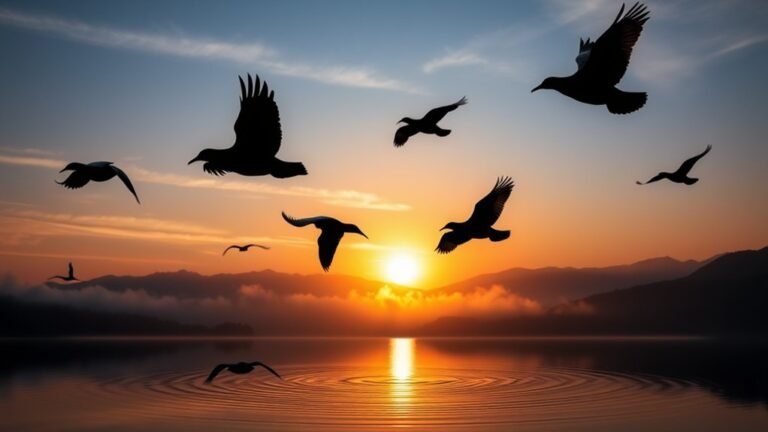
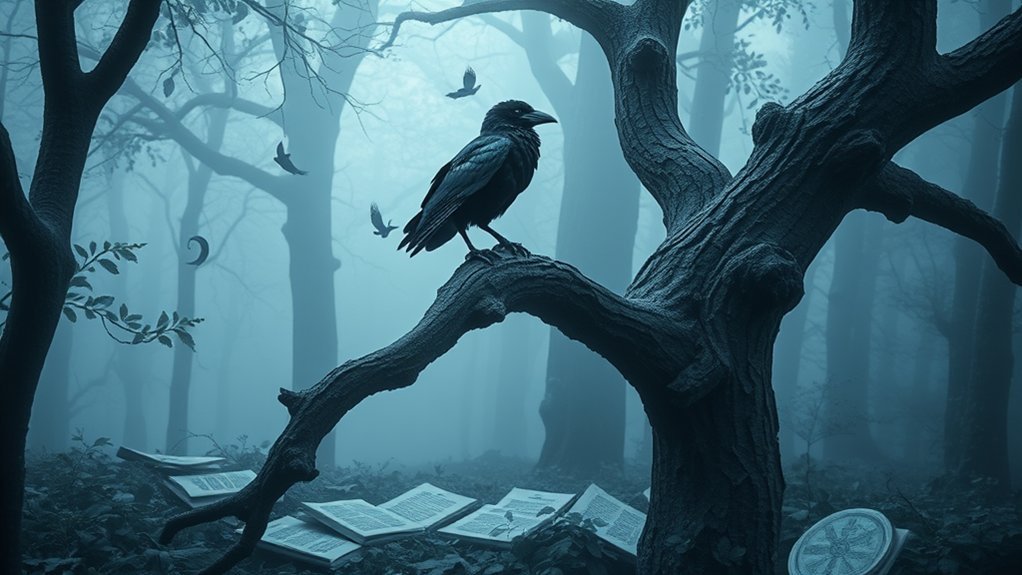
Ravens have a significant place in both mythology and literature. In Norse myth, ravens represent thought and memory. They serve as messengers between different worlds. In contrast, Edgar Allan Poe presents ravens as symbols of sorrow and uncertainty. This difference reveals important aspects of how people view these birds. What does this contrast say about our fears and hopes?
Key Takeaways
In Norse mythology, two ravens named Huginn and Muninn represent thought and memory. They connect wisdom between gods and humans. Ravens act as messengers for the gods, helping transfer knowledge and link the divine and mortal worlds. In Celtic folklore, the goddess Morrigan is associated with ravens. She represents war, fate, and guides people through life's changes.
In Native American stories, ravens appear as both creators and tricksters. They reflect themes of chaos and order. These stories explore existence and transformation.
Edgar Allan Poe's poem "The Raven" focuses on death and the unknown. It cements the bird's link to sorrow and loss. This rich tapestry of symbolism shows how ravens play a vital role across various cultures and narratives.
The Symbolism of Ravens in Norse Mythology
In Norse mythology, ravens symbolize wisdom and foresight. They represent the connection between life and death. Two key ravens, Huginn and Muninn, belong to Odin. Huginn stands for thought, while Muninn represents memory.
These symbols show the balance of knowledge and mystery, common in many cultures. Ravens often indicate change and guidance.
Understanding these meanings helps you appreciate the role of ravens in your journey. They remind you of unseen forces in life.
Just as they flew in ancient skies, you can find a sense of belonging in the rich symbolism surrounding ravens in Norse mythology. Ravens invite exploration and curiosity, bringing depth and engagement to your understanding of their importance.
Ravens as Messengers of the Gods
Ravens symbolize wisdom in Norse mythology and act as messengers of the gods. Their role as messengers connects the divine and human worlds.
In the stories of Odin, his ravens Huginn and Muninn travel the skies, gathering knowledge and sharing divine messages. This creates a link between humans and the gods, showing the raven as a mediator.
Other mythologies also present the raven as a symbol of prophecy and transformation, further establishing its connection to wisdom.
Recognizing this role helps you appreciate the raven's importance and how it enriches your own journey through life.
The Role of Ravens in Celtic Folklore
Ravens appear in Celtic folklore with strong links to themes like war, death, and change. These birds connect to Celtic gods, especially Morrigan, who represents fate and battles.
Ravens act as messengers, providing important visions that help people understand life cycles.
Picture a warrior. He sees ravens circling overhead. They guide him and help him face his fate. The birds show him the fine line between life and death.
Similar ideas exist in other cultures, like the Greek Harpies and Norse Valkyries, where mythical beings guide souls or reveal futures. Recognizing ravens in this way helps us connect with the universal experience of facing mortality and change in life.
This connection adds depth to the understanding of both Celtic culture and the role of ravens within it.
Ravens in Native American Legends
Ravens are important in Native American legends. They symbolize creation, change, and the connection between life and death. Many stories show the Raven as a creator. For example, it brings light to the world by stealing it from the Sky People. This act highlights the Raven's role in shaping existence.
The Raven also has a trickster nature. It balances chaos and order, teaching life lessons through cleverness and mischief. Unlike other cultures that view the Raven as a bad omen, Native American stories portray it as a rich character. It connects the sacred with the everyday.
Exploring these stories helps us understand the mysteries of life. Ravens invite us to reflect on creation, transformation, and our place in the world.
Edgar Allan Poe's "The Raven" and Its Themes
Edgar Allan Poe's poem "The Raven" stands in stark contrast to the joyful trickster found in Native American legends.
These legends often represent hope and cleverness, while Poe's work explores dark romanticism and deep sadness. The raven symbolizes grief and the inevitability of sorrow.
The narrator feels a profound longing and isolation as he faces the memory of his lost beloved, Lenore. This deep sorrow reflects a common human experience: dealing with loss and a desire for connection.
The Connection Between Ravens and Death
Ravens are closely linked to death in many cultures. They often represent the transition between life and the afterlife. In Norse mythology, they act as messengers for Odin, guiding souls to Valhalla.
In some Native American traditions, they're viewed as omens of death, symbolizing change and renewal. This shows the dual nature of ravens; they're reminders of death while also signaling spiritual rebirth.
In Celtic lore, ravens are often seen on battlefields, observing the souls of the fallen. This reinforces their role as symbols of death.
Ravens as Symbols of Intelligence and Wisdom
Ravens represent intelligence and wisdom in many cultures. They appear in folklore and mythology as strong symbols. Studies show that ravens have impressive cognitive skills. They can solve problems and use tools.
Many Native American tribes see ravens as clever tricksters. This reflects their ability to understand their environment well. Similarly, ancient Norse stories feature Odin's ravens, Huginn and Muninn. These birds symbolize thought and memory, highlighting the importance of knowledge.
Ravens connect the earthly with the divine. They enrich our understanding of life through their symbolic meanings.
Cultural Interpretations of Ravens Throughout History
Many cultures view ravens in different ways, reflecting human beliefs and values through history.
In Norse mythology, ravens represent wisdom and serve Odin, the Allfather. This shows their role as messengers between the gods and humans. On the other hand, Native American tribes often see ravens as tricksters, representing duality and change.
Ravens also hold significance in literature. Edgar Allan Poe's famous poem connects ravens with death and the unknown, evoking feelings of loss.
Together, these interpretations reveal themes of intelligence, mystery, and transformation. This invites you to consider your own views on these intriguing birds.
Frequently Asked Questions
Are Ravens Considered Good or Bad Omens in Different Cultures?
Ravens carry both good and bad meanings in different cultures. In some beliefs, they are seen as signs of death. In other cultures, they symbolize wisdom and change. This variety shows how different groups view these birds in unique ways.
What Physical Characteristics Make Ravens Unique Among Birds?
Ravens have shiny black feathers and strong, curved beaks. These features make them unique among birds. Their black feathers reflect light, creating a glossy appearance. The curved beak helps them eat a wide variety of food, showing their ability to adapt. Ravens also have a reputation for intelligence. They solve problems and use tools. These traits contribute to their image as symbols of wisdom and mystery, captivating people across different cultures.
How Do Ravens Communicate With Each Other?
Ravens communicate using various vocal sounds and calls. They express their feelings and intentions clearly. Their body language also plays a significant role; every movement can send a message. By understanding these vocalizations and signals, you can better connect with these smart creatures, which hold symbolic meaning in many cultures.
Can Ravens Be Domesticated or Kept as Pets?
You can keep ravens as pets, but you need to know their behavior. These intelligent birds need social interaction and mental stimulation. They also require enough space to be happy. Caring for a raven takes commitment. Understand their needs to provide a good environment. Ravens can offer companionship, but they deserve freedom too.
What Role Do Ravens Play in Modern Literature and Media?
Ravens represent mystery and change in modern literature. They appear as symbols in stories from different cultures, representing knowledge, loss, and warning. Their presence encourages readers to delve into the richness of human experience. Ravens can captivate and intrigue, making them a powerful element in narratives. They challenge characters and readers alike to confront uncertainties and transformations.

Kashvi is a passionate bird enthusiast and nature lover who has been fascinated by the world of birds for years. With a keen eye for detail and a love for learning, Kashvi is dedicated to sharing her knowledge and insights with fellow bird enthusiasts on Avian Enthusiasts. Through her engaging and informative articles, Kashvi aims to inspire others to join her in exploring the fascinating world of birds and to promote a deeper appreciation for these incredible creatures.