Finches in North America: A Comprehensive Guide
North America hosts a diverse array of finch species. These small, vibrant birds captivate birdwatchers and nature enthusiasts alike. From the common House Finch to the elusive Evening Grosbeak, finches display a wide range of colors, behaviors, and adaptations.
This guide explores the fascinating world of North American finches, covering their identification, habitats, feeding habits, and conservation status.
Whether you’re a seasoned birder or a curious newcomer, this comprehensive overview will enhance your appreciation for these charming avian residents.
Key Takeaways
- House Finches are the second-most populous finch in North America, with an estimated 40 million individuals.
- Finches inhabit a wide range of environments, from deserts to urban areas.
- Many finch species exhibit irruptive migration patterns, moving in response to food availability.
- Vocalizations play a crucial role in finch identification and behavior.
- Finches face various conservation challenges, particularly in Hawaii.
- Feeding habits vary among species, with many being frequent visitors to backyard feeders.
- Nesting behaviors differ between eastern and western populations of some species.
- Physical characteristics can vary significantly between subspecies and regions.
- Citizen science projects are vital for understanding finch populations and movements.
- The Red Crossbill complex presents one of the most intricate identification challenges among North American birds.
Common Finch Species in North America
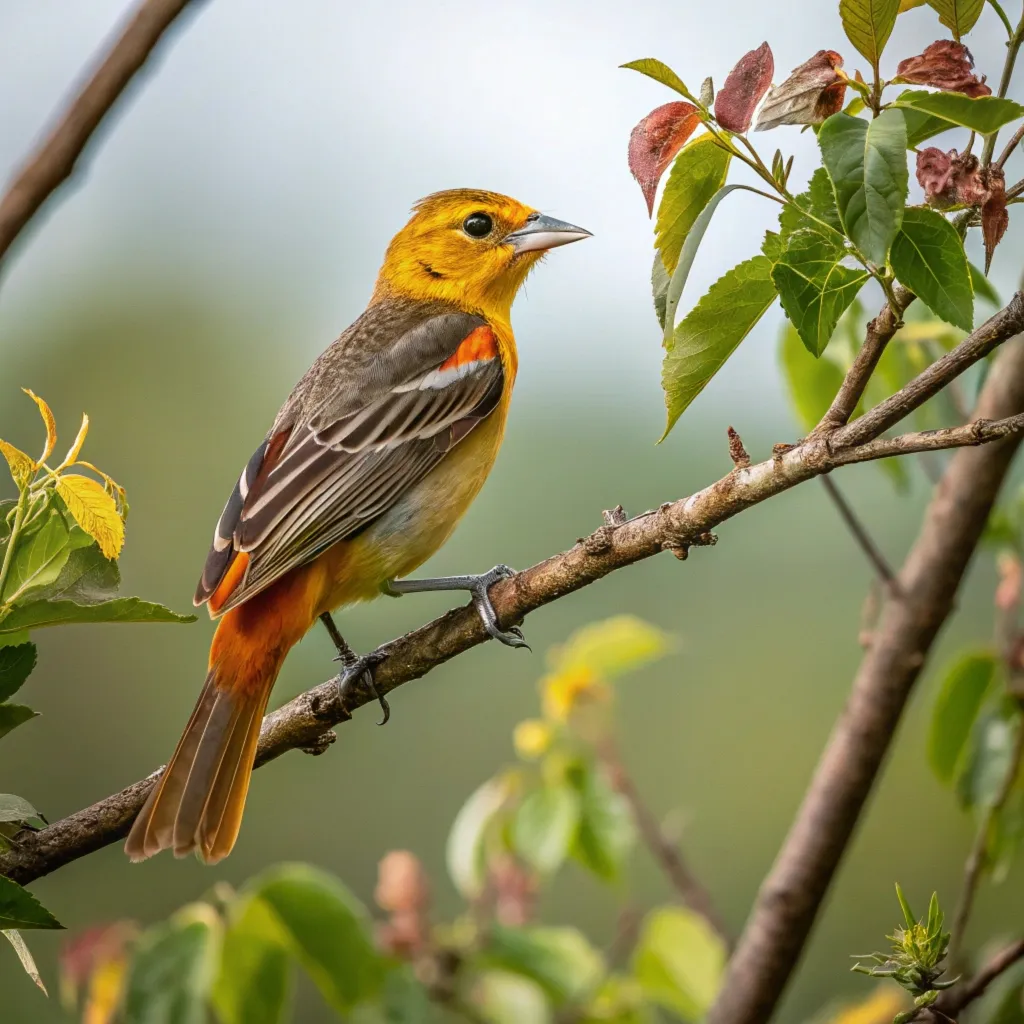
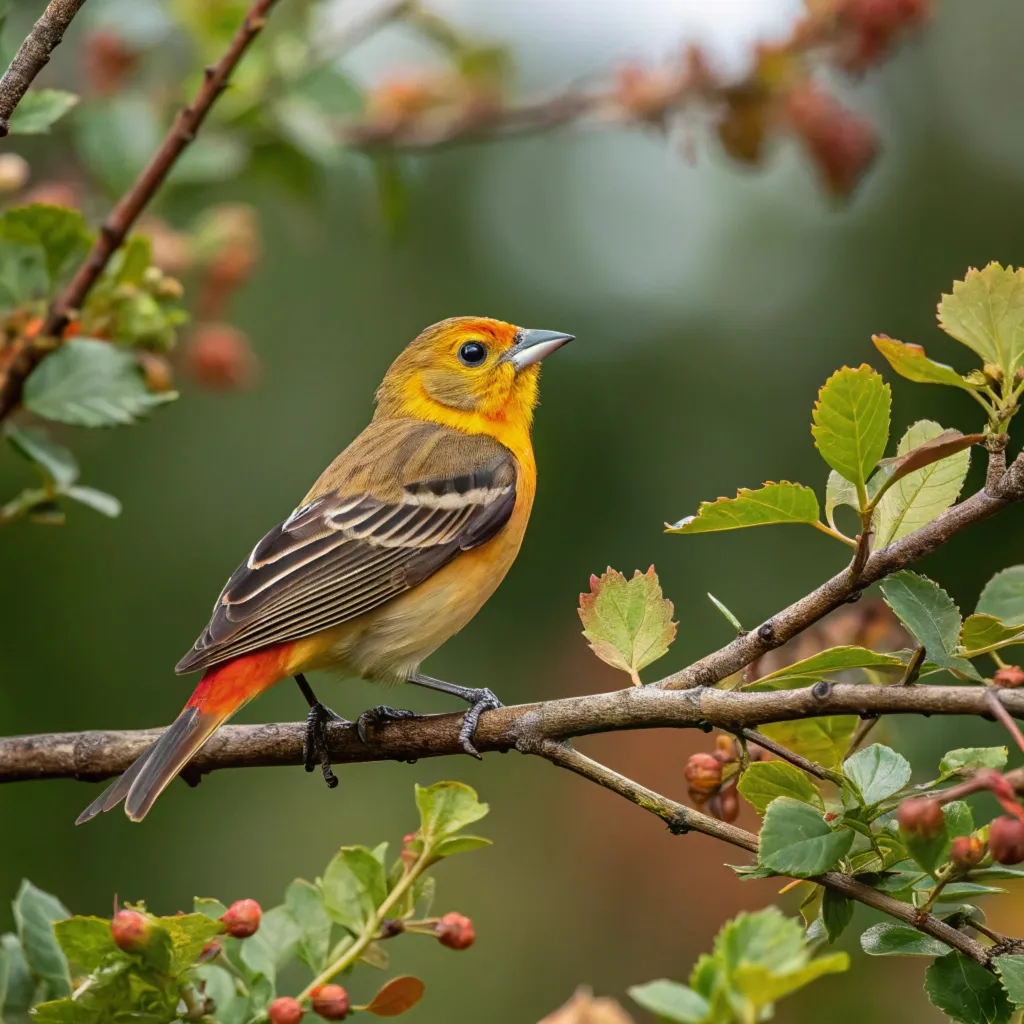
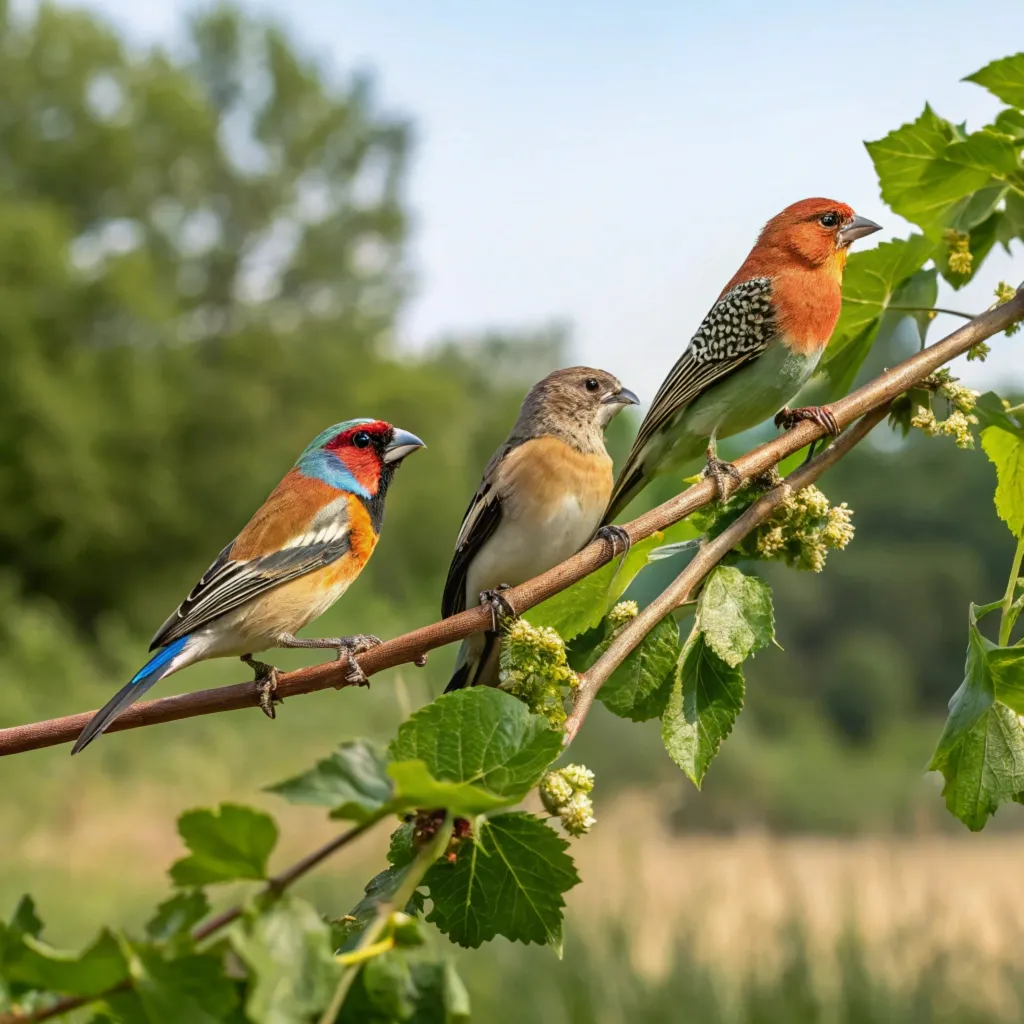
North America hosts a diverse array of finch species. The House Finch is one of the most widespread, found in both urban and rural settings. Other common species include the American Goldfinch, Purple Finch, and Pine Siskin.
The diversity of finch species in North America is truly remarkable. From the vibrant yellow of the American Goldfinch to the rosy hues of the Purple Finch, these birds offer a colorful palette for birdwatchers.
Each species has adapted to specific ecological niches, contributing to the rich tapestry of North American avifauna.
Their varied appearances and behaviors make finches a fascinating subject for both casual observers and serious ornithologists alike.
House Finch: A North American Success Story
The House Finch has become a ubiquitous sight across North America. Native to Mexico and the southwestern United States, it has successfully expanded its range to cover most of the continent. These birds adapt well to human-altered landscapes, thriving in cities and suburbs.
The House Finch’s journey across North America is a remarkable tale of adaptation and resilience. Originally introduced to the eastern United States in the 1940s, these birds quickly established themselves and began spreading westward.
Their ability to thrive in human-modified environments has been key to their success. Today, they are a common sight at backyard feeders, parks, and urban areas, showcasing their remarkable adaptability to diverse habitats across the continent.
Habitat Diversity of North American Finches
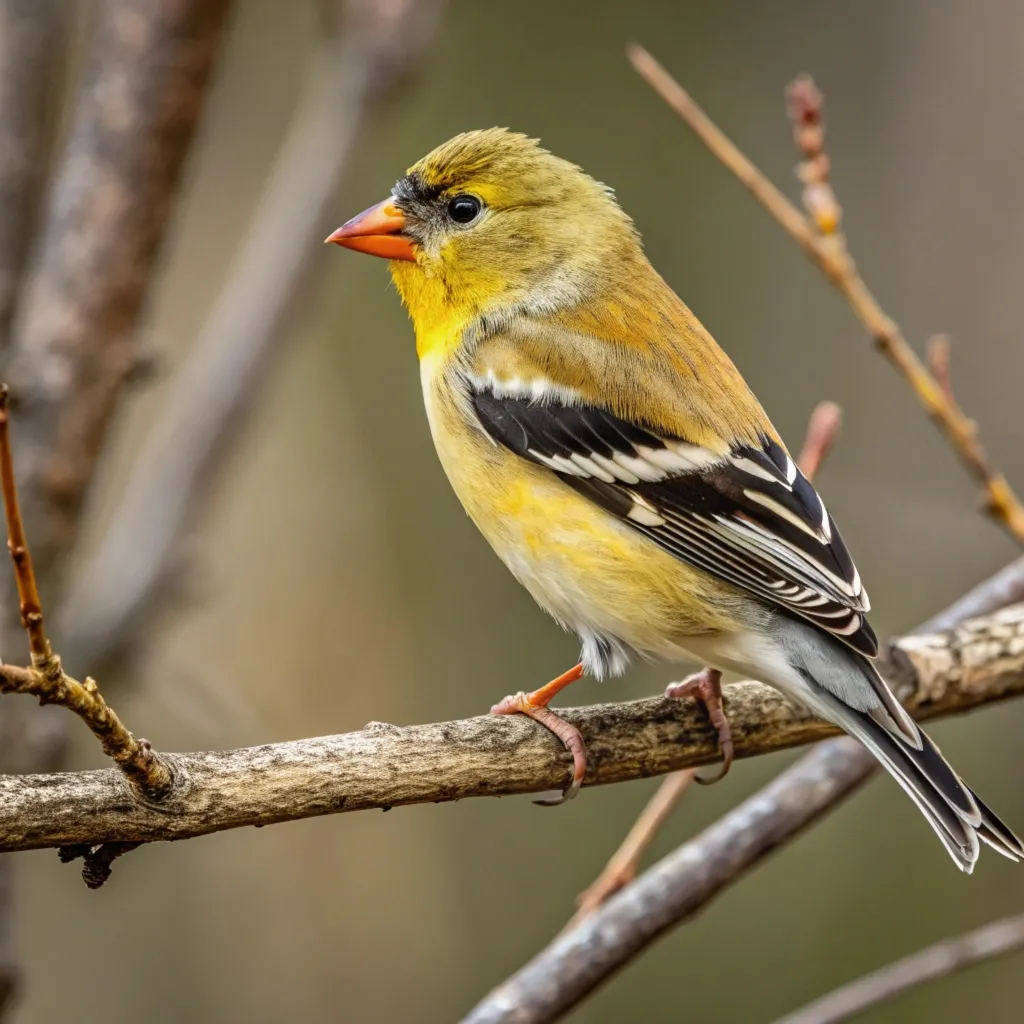
Finches occupy a wide range of habitats. In their native range, House Finches inhabit deserts, grasslands, shrublands, and open woodlands.
Other species, like the Pine Grosbeak, prefer coniferous forests. The adaptability of finches allows them to colonize diverse environments.
The habitat versatility of North American finches is truly impressive. From the arid deserts of the Southwest to the lush forests of the Northeast, these birds have found ways to thrive in a variety of ecosystems.
This adaptability is a key factor in their widespread success. Some species, like the Evening Grosbeak, have even adapted to life in suburban areas, taking advantage of backyard feeders and ornamental fruit trees.
This ecological flexibility allows finches to play important roles in various food webs across the continent.
Feeding Habits and Preferences
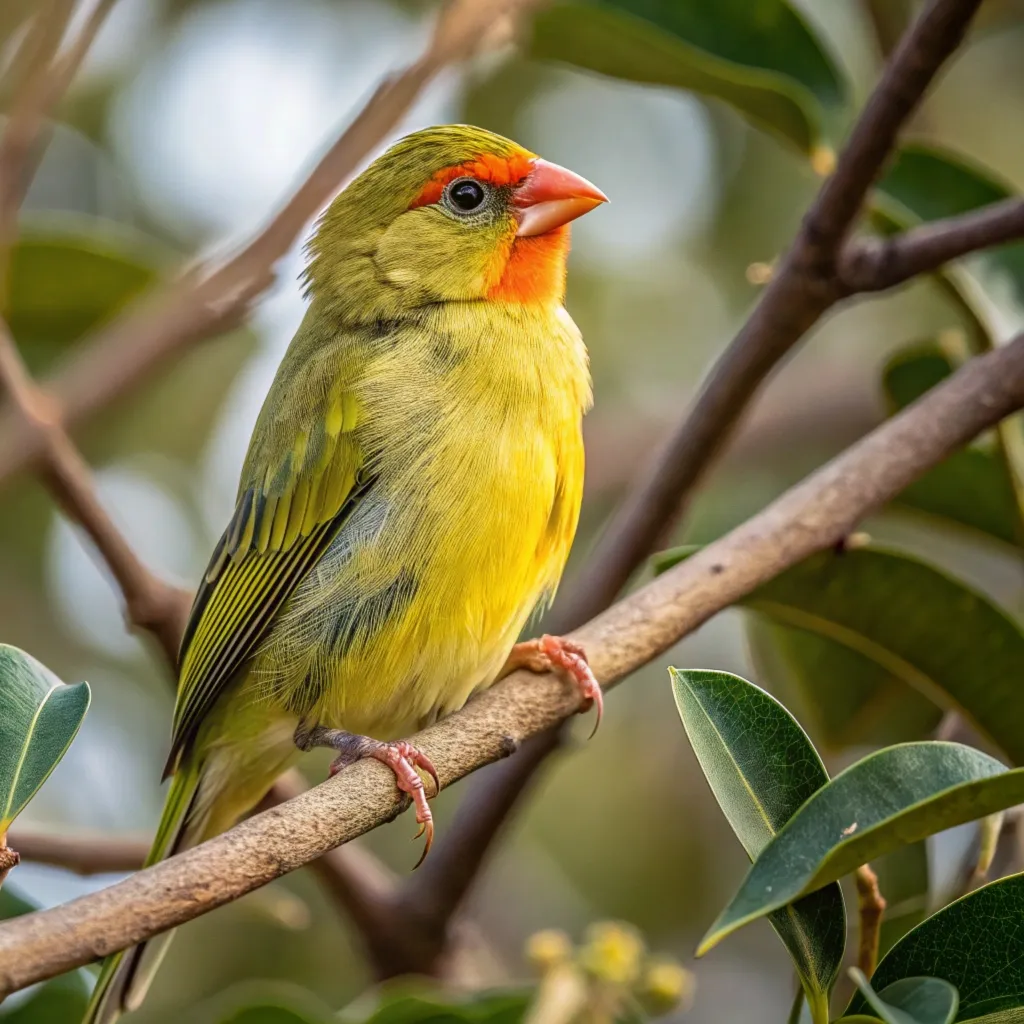
Finches are primarily seed-eaters. They consume a variety of seeds from plants like sunflowers, thistles, and dandelions.
Some species, such as the House Finch, also eat fruits and occasionally insects. Many finches are frequent visitors to backyard feeders, especially those stocked with sunflower or nyjer seeds.
The feeding habits of finches are not only diverse but also highly specialized. Their conical bills are perfectly adapted for cracking open seeds, allowing them to access nutrients that other birds can’t reach.
This specialization has led to some fascinating ecological relationships. For instance, the Red Crossbill has a uniquely crossed bill that enables it to extract seeds from pine cones, making it a crucial part of coniferous forest ecosystems.
Understanding these feeding preferences is essential for both conservation efforts and attracting finches to backyard feeders.
Nesting Behaviors and Breeding Patterns
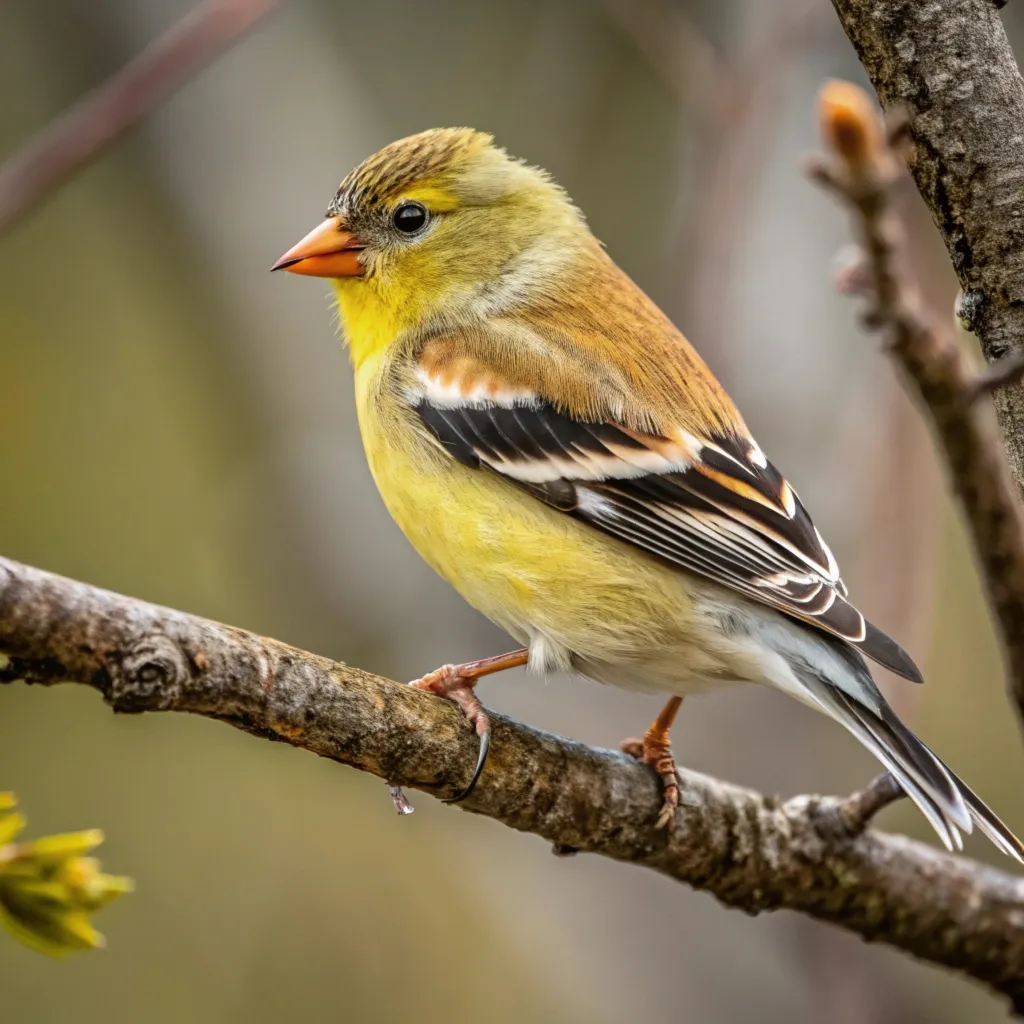
Finch nesting habits vary by species and region. House Finches, for example, show different nesting preferences in eastern and western populations.
Western House Finches tend to nest within 60 feet of their previous year’s site, while eastern birds may choose locations over half a mile away.
The breeding behaviors of finches are as diverse as the species themselves. Many finches are monogamous, forming strong pair bonds during the breeding season.
Their nests are often small and cup-shaped, skillfully woven from grasses, twigs, and other plant materials.
The timing of breeding can vary significantly, with some species like the Pine Siskin being opportunistic breeders, nesting whenever food is abundant.
This flexibility in nesting behavior allows finches to adapt quickly to changing environmental conditions, contributing to their success across various habitats.
Vocalizations and Communication
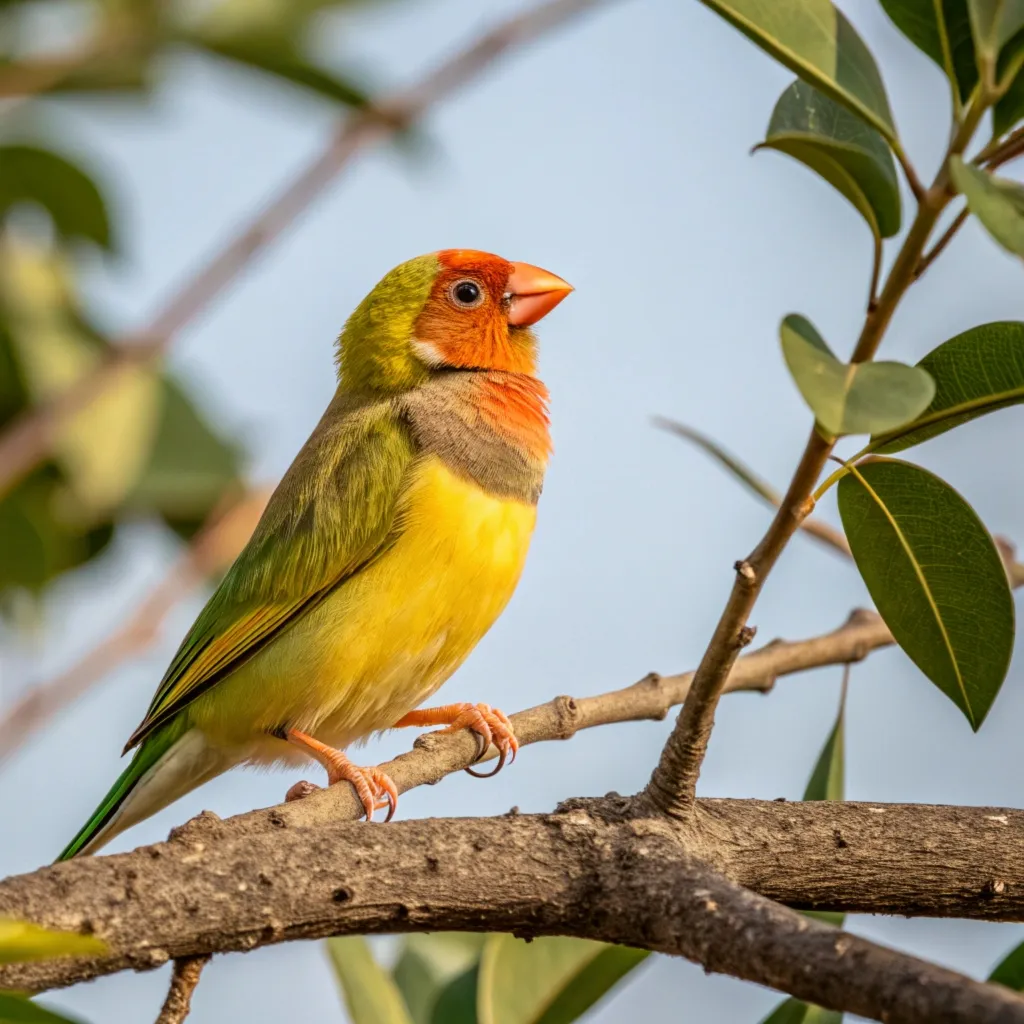
Finch vocalizations are complex and varied. Many species have distinct calls and songs for males and females.
The Red Crossbill complex is particularly noteworthy, with different call types associated with specific geographic locations and food sources.
The vocal repertoire of finches is a fascinating aspect of their biology. Their songs are not just beautiful to human ears but serve crucial functions in mate attraction, territory defense, and social communication.
Some species, like the American Goldfinch, have distinct flight calls that help maintain flock cohesion during migration.
The complexity of finch vocalizations has made them popular subjects for studies on bird communication and the evolution of song. Understanding these vocal patterns can provide valuable insights into finch behavior and ecology.
Migration and Movement Patterns
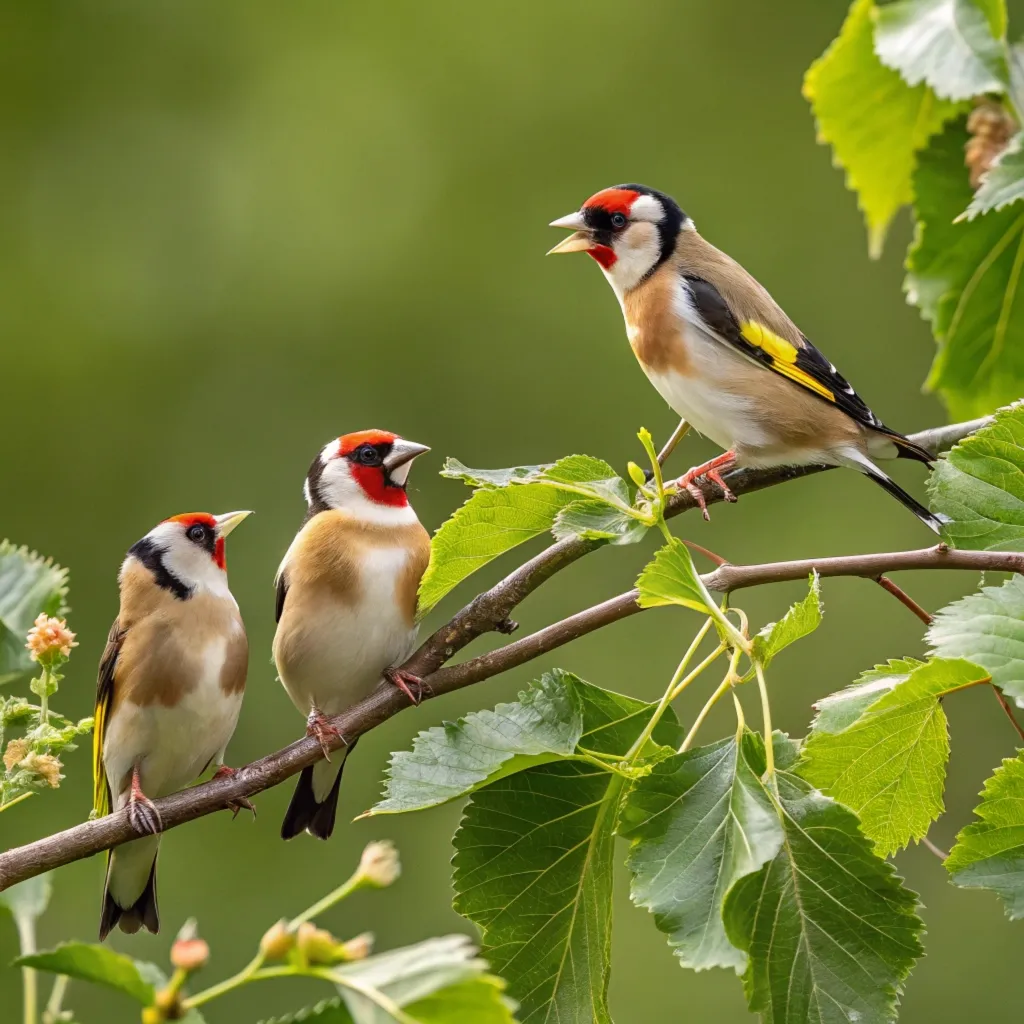
While some finch species are year-round residents in their habitats, others exhibit irruptive migration patterns.
These movements are often tied to food availability. For instance, Evening Grosbeaks may move south in winters when their food sources are scarce in northern regions.
The migration patterns of finches are a source of excitement and mystery for birdwatchers and researchers alike. Unlike many birds that follow predictable annual routes, many finch species engage in irruptive migrations that can vary dramatically from year to year.
These movements are often triggered by fluctuations in food supply, particularly seed crops in northern forests.
This unpredictability makes finch migrations a dynamic phenomenon, with some years seeing massive southward movements of species like Pine Siskins or Common Redpolls, while in other years, these birds may remain in their northern breeding grounds.
Physical Variations and Subspecies
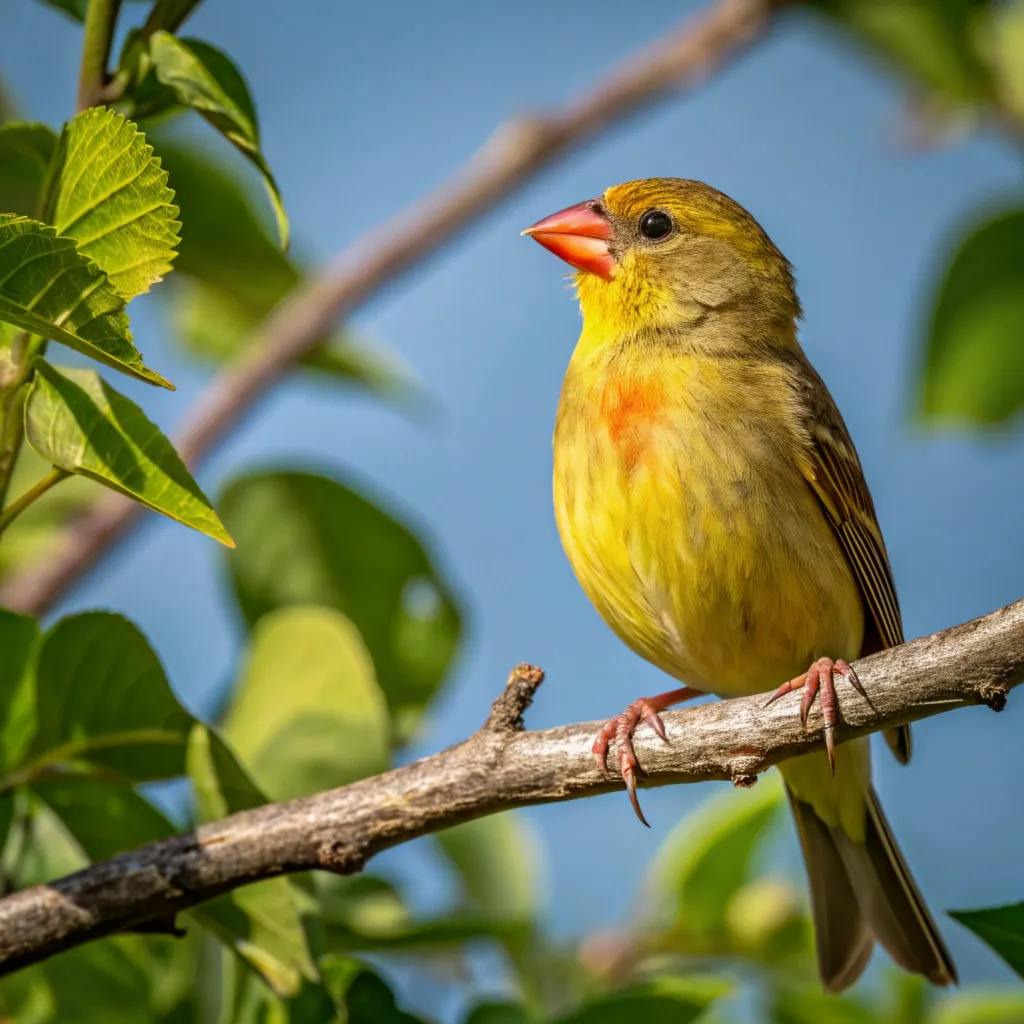
Finch species often display significant physical variations across their range. The House Finch, for example, has 11 recognized subspecies with differences in body size, bill shape, and coloration. These variations can make identification challenging for birdwatchers.
The physical diversity within finch species is a testament to their adaptability and the varied environments they inhabit.
These variations are not just cosmetic but often reflect adaptations to local conditions. For example, finches in colder regions may have longer, more insulating feathers, while those in arid areas might have larger bills for handling tougher seeds.
The House Finch showcases this diversity beautifully, with its eastern populations showing brighter red plumage compared to their western counterparts. This variability makes finches an excellent subject for studying evolutionary processes and local adaptations.
Conservation Challenges and Efforts
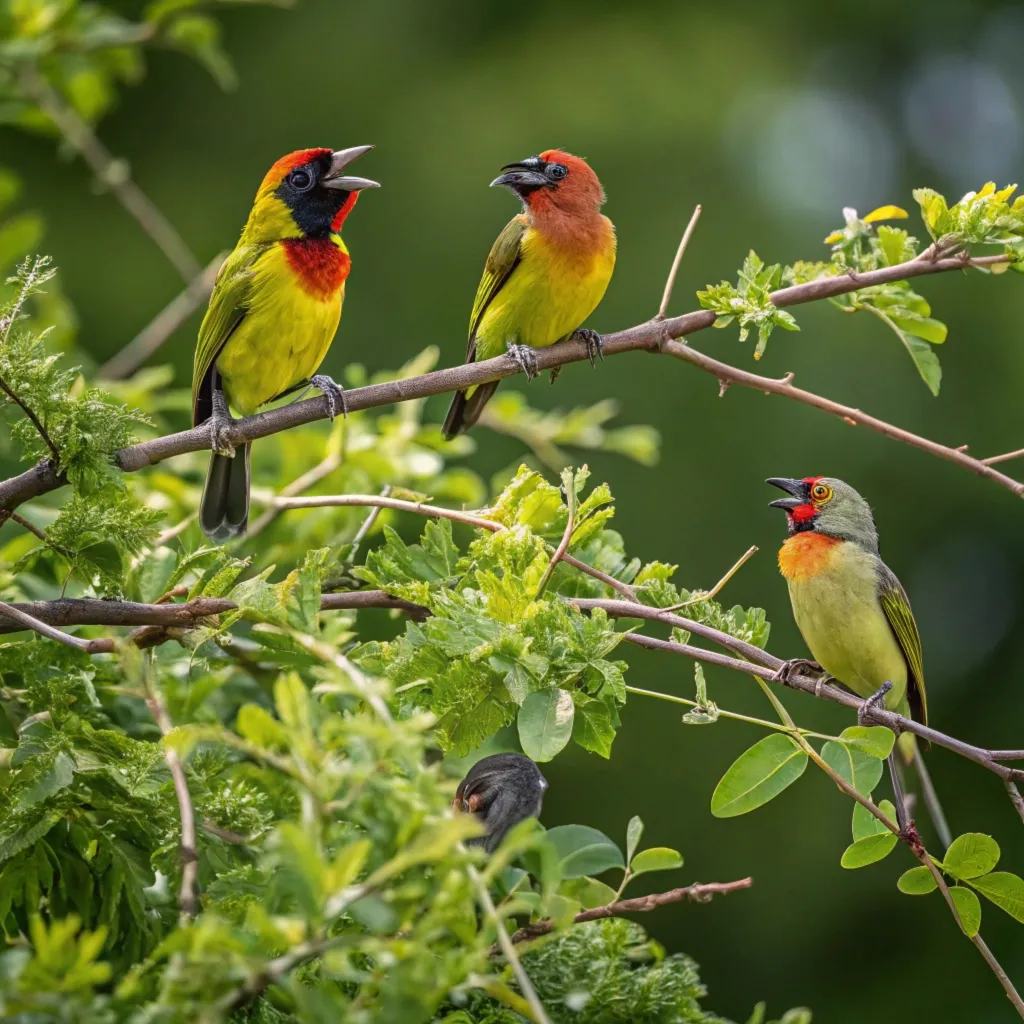
Some finch species face significant conservation challenges. The Hawaiian honeycreepers, which are part of the finch family, are particularly vulnerable. Habitat loss, introduced predators, and diseases have led to declines in many Hawaiian finch populations.
The conservation status of finches varies greatly across species and regions. While some, like the House Finch, are thriving, others face serious threats. The Hawaiian honeycreepers represent one of the most dramatic examples of finch conservation challenges.
These unique birds, which evolved in isolation on the Hawaiian islands, are now critically endangered due to a combination of factors including habitat loss, introduced predators, and avian malaria spread by non-native mosquitoes.
Conservation efforts for these and other threatened finch species often involve habitat restoration, predator control, and captive breeding programs to help maintain and recover populations.
Finches at Backyard Feeders
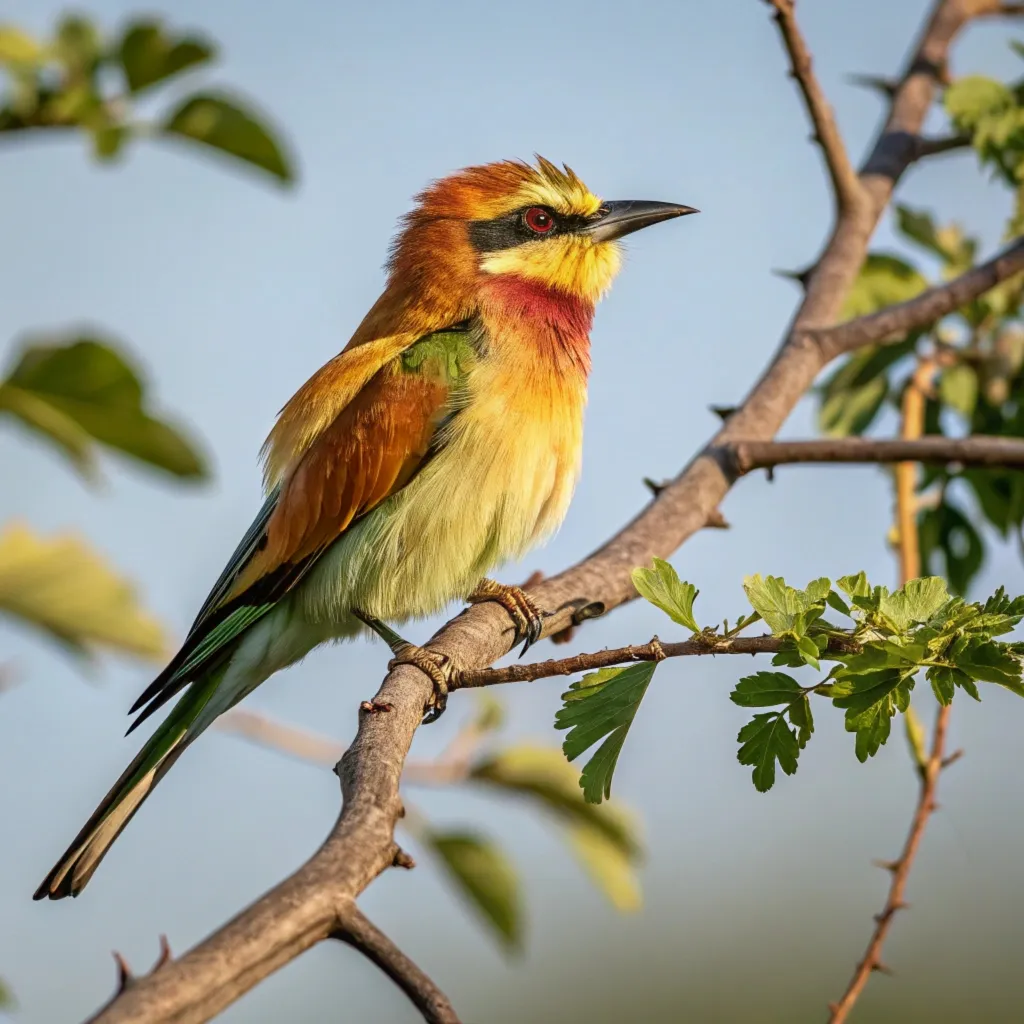
Many finch species readily visit backyard feeders. Providing a variety of seeds, especially sunflower and nyjer, can attract different finch species. Offering water sources is also important, as finches need to drink frequently, especially in hot weather.
Backyard feeders have become an important resource for many finch species, especially in urban and suburban areas. These feeders not only provide a reliable food source but also offer unique opportunities for bird enthusiasts to observe finch behavior up close.
The type of feeder and seeds offered can attract different species. For example, tube feeders filled with nyjer seeds are particularly attractive to American Goldfinches and Pine Siskins.
Providing a variety of feeder types and seed options can create a diverse finch community in your backyard, offering endless enjoyment and contributing to citizen science projects.
The Red Crossbill Complex
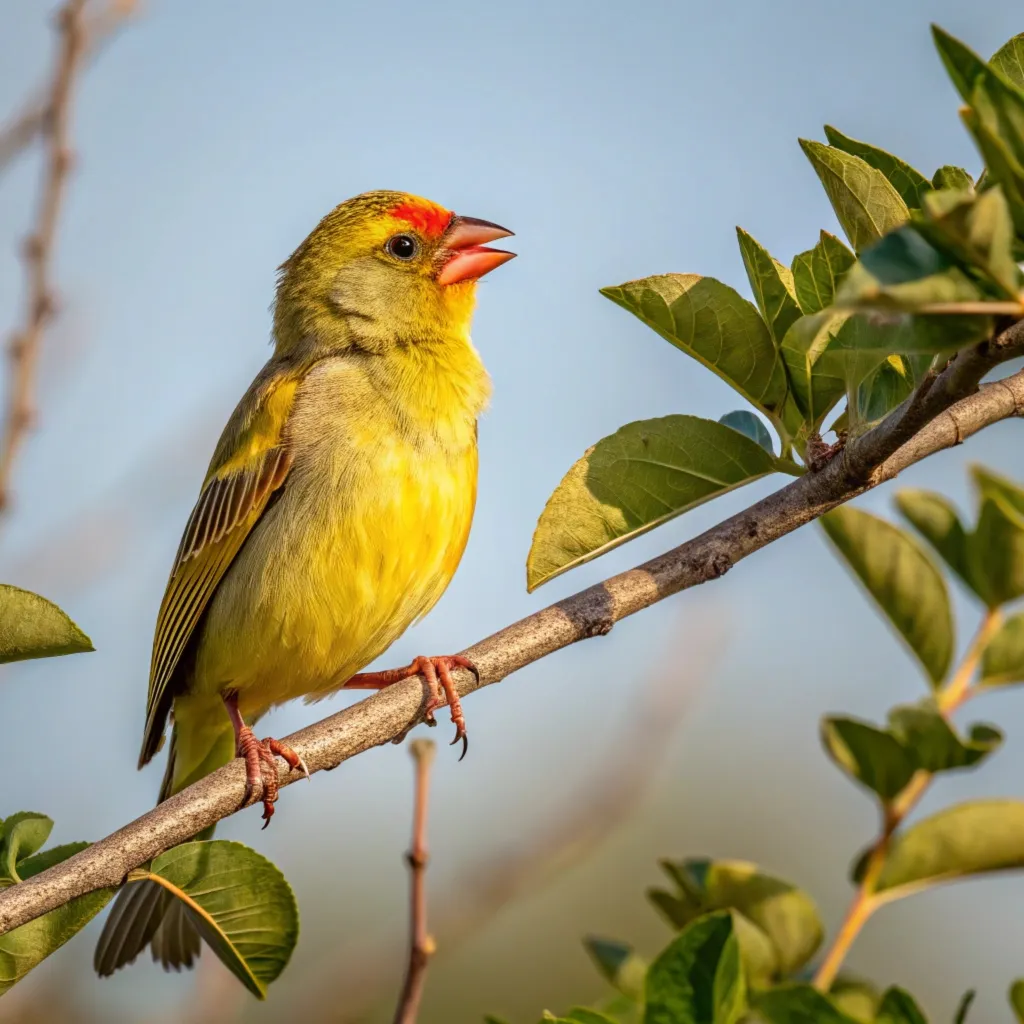
The Red Crossbill presents a unique challenge in finch identification. This species complex consists of several distinct call types, each associated with specific cone preferences and geographic distributions. Understanding these variations is crucial for accurate identification and ecological studies.
The Red Crossbill complex is a fascinating example of cryptic speciation in birds. What was once considered a single species is now recognized as a group of at least ten distinct types, each with its own unique call and preferred conifer species for feeding.
These types are so specialized that their bills have evolved to match the cones of their favored trees. This specialization has led to reproductive isolation between types, even when they occur in the same geographic area.
The Red Crossbill complex offers a unique opportunity to study speciation in action and highlights the importance of vocalizations in bird identification and taxonomy.
Citizen Science and Finch Research
Citizen science projects play a vital role in finch research. Programs like Project FeederWatch and the Great Backyard Bird Count help scientists track finch populations and movements. These projects allow bird enthusiasts to contribute valuable data to scientific research.
The contribution of citizen scientists to finch research cannot be overstated. These projects have revolutionized our understanding of finch population dynamics, migration patterns, and responses to environmental changes.
For example, data from Project FeederWatch has been instrumental in tracking the spread of eye diseases in House Finches and monitoring the irruptive movements of northern finch species.
The large-scale, long-term data provided by these citizen science initiatives offer insights that would be impossible to gather through traditional research methods alone.
This collaboration between scientists and the public has become a powerful tool in bird conservation and ecological research.
Finch Identification Tips
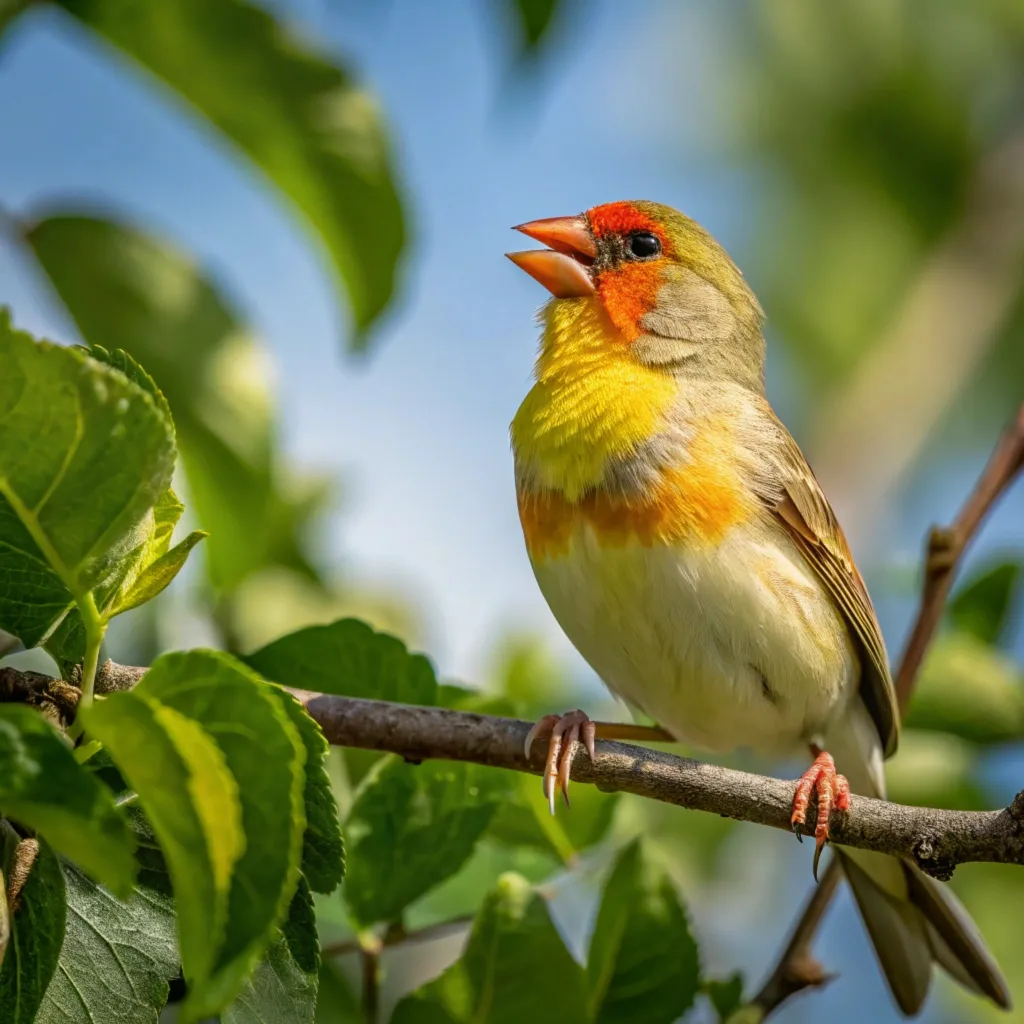
Identifying finches can be challenging due to their similarities and variations. Key features to observe include bill shape, overall coloration, wing bars, and vocalizations. Using field guides and listening to recordings can greatly improve identification skills.
Mastering finch identification requires attention to detail and practice. One of the most important features to observe is the bill shape, which can vary significantly between species and is often adapted to specific feeding habits.
Plumage coloration is another key factor, but it’s important to remember that this can vary with age, gender, and season. Wing bars are present in some species and can be a useful distinguishing feature.
Vocalizations are particularly important for identifying similar-looking species or members of the Red Crossbill complex. Behavioral cues, such as feeding habits and flock composition, can also provide valuable clues for accurate identification.
Finches in Urban Environments
Many finch species have adapted well to urban environments. House Finches, in particular, thrive in cities and suburbs. Understanding how finches use urban habitats can help in conservation efforts and urban planning to support bird populations.
The adaptation of finches to urban environments is a testament to their resilience and flexibility. These birds have found ways to exploit new resources in human-dominated landscapes, from backyard feeders to ornamental plants.
Urban finches often exhibit different behaviors compared to their rural counterparts, such as altered singing patterns to overcome city noise. Some species, like the House Finch, have even expanded their range through urban corridors.
Studying finches in cities provides valuable insights into urban ecology and can inform wildlife-friendly urban planning. By understanding how finches use urban spaces, we can create better habitats for these and other bird species in our cities.
FAQs
How can I attract finches to my backyard?
To attract finches, offer a variety of seeds in feeders, especially sunflower and nyjer seeds. Provide fresh water and plant native plants that produce seeds finches enjoy.
Are all finches migratory?
Not all finches migrate. Some species, like House Finches, are largely resident, while others, like Pine Siskins, may exhibit irruptive migration patterns based on food availability.
How can I tell the difference between male and female finches?
In many finch species, males are more brightly colored than females. For example, male House Finches have red coloration, while females are brown and streaked.
What is the lifespan of a typical finch?
The lifespan of finches varies by species, but many small finches live 5-10 years in the wild, with some individuals reaching 15 years or more.
Do finches return to the same nesting sites each year?
Some finch species show site fidelity, returning to the same general area to nest. However, the degree of site fidelity can vary between species and even between populations of the same species.

Kashvi is a passionate bird enthusiast and nature lover who has been fascinated by the world of birds for years. With a keen eye for detail and a love for learning, Kashvi is dedicated to sharing her knowledge and insights with fellow bird enthusiasts on Avian Enthusiasts. Through her engaging and informative articles, Kashvi aims to inspire others to join her in exploring the fascinating world of birds and to promote a deeper appreciation for these incredible creatures.