Brown Birds in Michigan: Common Species You Should Know
Brown birds play an important role in Michigan's bird population. You can find species like the Song Sparrow, which lives in wetlands, and the American Tree Sparrow, known for migrating during the winter. The Brown-headed Cowbird has unusual breeding habits that can affect local bird populations. These birds help us understand Michigan's environment. Their behaviors and roles within their habitats are key factors in maintaining ecological balance. Knowing about these birds can enhance your appreciation of Michigan's natural landscape.
Key Takeaways
- The House Sparrow is a brown bird commonly seen in cities. It has complex social behavior and makes cheerful chirping sounds.
- American Tree Sparrows come to Michigan in winter. They mainly eat seeds and prefer milder areas.
- Dark-eyed Juncos are active birds that search for food on the ground. They are known for their unique bouncing movement while eating.
- Song Sparrows sing beautiful melodies in spring. Their brown streaked feathers help them blend into wetland areas where they are often found.
- Brown-headed Cowbirds lay their eggs in other birds' nests, which can harm native songbird populations. They thrive in various environments, such as woodlands and grasslands.
This overview of common brown birds in Michigan provides useful information that can help birdwatchers and nature enthusiasts.
House Sparrow: The Backyard Companion

Although you may see them flitting about your backyard, house sparrows (Passer domesticus) are far more than just charming visitors.
Observing their behavior reveals a complex social structure. They often gather in flocks, exhibiting strong adaptability and learning behaviors that help them thrive in diverse environments. You'll notice their distinctive chirping and varied vocalizations, which serve to communicate within their groups.
When it comes to diet, house sparrows are opportunistic feeders; they enjoy seeds, insects, and human food scraps, demonstrating a flexible nutrition strategy.
This adaptability not only enhances their survival but also showcases their role in urban and suburban ecosystems. Cultivating a welcoming environment for these small birds enriches your backyard and contributes to local biodiversity.
American Tree Sparrow: The Cold Weather Visitor
When winter descends on Michigan, the American Tree Sparrow (Spizella arborea) becomes a welcome sight in fields and gardens across the state. This small, brown bird migrates from its northern breeding grounds to seek milder winter climates, often arriving around late fall.
Its migration patterns are driven by the search for food and suitable habitats, making it a true seeker of warmth and sustenance.
With a diet primarily consisting of seeds, particularly from grasses and weeds, the American Tree Sparrow's feeding habits are essential during the cold months.
You may spot them foraging on the ground or in shrubbery, often in small flocks, contributing to the tranquil winter landscape while connecting you to nature's cycles during the chilly season.
Dark-eyed Junco: The Winter Flurry

Throughout the chill of winter, the Dark-eyed Junco (Junco hyemalis) captivates birdwatchers and casual observers alike with its striking plumage and lively behavior.
These small, agile birds often forage on the ground, showcasing their winter habits. They prefer seeds, particularly those from grasses and weeds, which they readily consume in flocks. Observing their feeding preferences can provide insight into their social structure, as they often feed in mixed groups for safety and efficiency.
You might notice their characteristic "bouncing" motion as they hop around, searching for food. By understanding these behaviors, you enhance your connection with nature and the seasonal rhythms that guide these charming winter visitors to your backyard, making it a more inviting space for all wildlife enthusiasts.
Song Sparrow: The Melodious Resident
As spring unfurls across Michigan, the Song Sparrow (Melospiza melodia) emerges as a prominent figure in the avian landscape, enchanting enthusiasts with its cheerful songs and distinctive markings.
You'll often find them in wetlands, grasslands, and shrubby areas, where their song sparrow habitat provides ample foraging opportunities.
Observing their behavior reveals a fascinating mix of boldness and caution, as they scurry to grab seeds while keeping an eye out for predators.
Here are three key features to appreciate:
- Melodic Song: Their rich, varied melodies are often a sign of spring.
- Bold Presence: They're often seen perched visibly, declaring their territory.
- Distinctive Streaking: Their brown, streaked plumage blends beautifully with the surroundings.
Engaging with these song sparrows connects you to Michigan's vibrant avian community.
Brown-headed Cowbird: The Cuckoo Conundrum
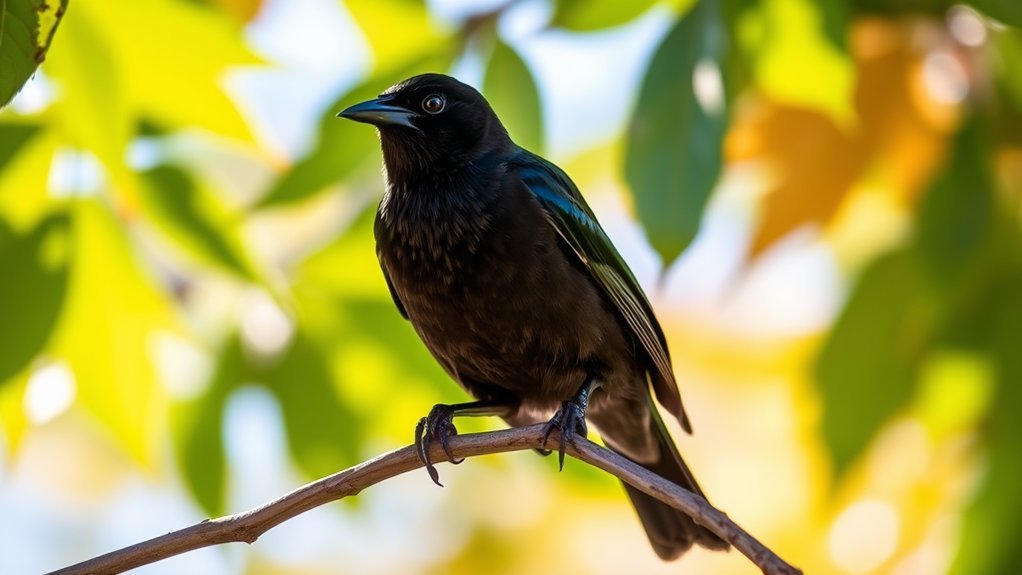
While you enjoy the diverse avian life in Michigan, the Brown-headed Cowbird (Molothrus ater) often presents a unique ecological challenge. Known for their cowbird brood parasitism, these birds lay their eggs in the nests of other species, leaving host birds to raise their young.
This behavior can greatly impact the reproductive success of numerous native songbirds. Cowbirds thrive in a variety of habitats, including open woodlands, grasslands, and agricultural areas, which align well with their opportunistic nesting strategies.
Understanding cowbird habitat preferences is essential for conservation efforts, as protecting the nesting grounds of vulnerable species can mitigate the effects of brood parasitism. Recognizing this conundrum helps you appreciate the complex dynamics of Michigan's ecosystems.
Frequently Asked Questions
What Is the Best Time to Spot Brown Birds in Michigan?
To spot brown birds in Michigan, plan your outings during spring and fall. These seasons bring high bird activity, increasing your chances of seeing different species. For the best view, go outdoors at dawn. Enjoy the experience of watching these birds in their natural habitat.
How Do Brown Birds Migrate in Michigan?
Brown birds migrate in Michigan by following specific routes during spring and fall. They move to find good places for breeding and wintering. These birds adapt to changes in the environment as they travel. You can observe their flights during these seasons, showcasing their patterns and behaviors.
Are Brown Birds Common in Urban Areas of Michigan?
Brown birds are common in urban areas of Michigan. Birdwatching in the city helps you identify these birds and appreciate their presence in urban settings. Observing these birds can be enjoyable and helps you feel more connected to nature.
What Do Brown Birds Eat in Michigan Gardens?
In Michigan gardens, brown birds typically eat seeds from sunflowers and wildflowers. They also enjoy various garden plants. These food preferences show that having a variety of plants is important. A diverse garden helps create a healthy environment for these birds to thrive.
How Can I Attract Brown Birds to My Yard?
To attract brown birds to your yard, set up bird feeders filled with seeds. Choose seeds that are common in their natural habitat. Add water sources, like birdbaths, to encourage visits. Plant native plants that provide food and shelter. These steps will make your yard welcoming for brown birds.

Kashvi is a passionate bird enthusiast and nature lover who has been fascinated by the world of birds for years. With a keen eye for detail and a love for learning, Kashvi is dedicated to sharing her knowledge and insights with fellow bird enthusiasts on Avian Enthusiasts. Through her engaging and informative articles, Kashvi aims to inspire others to join her in exploring the fascinating world of birds and to promote a deeper appreciation for these incredible creatures.