

Small Brown Birds in Florida: Identification Made Easy
If you see small brown birds in Florida, you can identify them by their size, color, and behavior. For example, the House Sparrow and Song Sparrow have unique markings and calls that help you tell them apart. Observing their habits and migration times can also help. As you notice these details, identifying these birds will become both enjoyable and rewarding.
Key Takeaways
- Observe the different colors and behaviors of small brown birds to help identify them in Florida.
- Common birds include House Sparrows, Song Sparrows, and Carolina Wrens. Watch how they interact with each other for better identification.
- Notice what types of areas they prefer. Many small brown birds like wetlands, urban parks, and brushy places.
- Look for features like how they fly, what they eat, and their migration patterns to distinguish between species.
- Join local birdwatching groups to share your experiences and learn more about small brown birds in Florida.
Understanding the Importance of Small Brown Birds
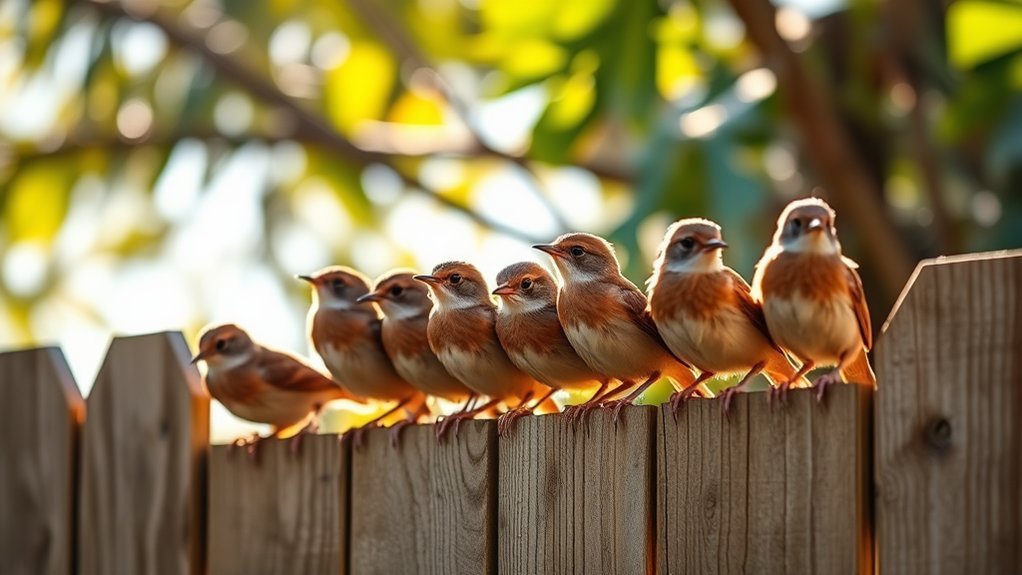
Small brown birds, often overlooked due to their inconspicuous plumage, play an important role in Florida's ecosystems. They contribute to pest control by feeding on insects, reducing the need for chemical interventions.
Their foraging habits enhance soil fertility, as they help disperse seeds and nutrients across various habitats.
Birdwatching benefits arise from observing these small avian creatures, fostering a deeper understanding of biodiversity and ecological significance. By connecting with nature, you gain insights into the delicate balance maintained within ecosystems.
Additionally, these birds serve as crucial indicators of environmental health, alerting you to changes in habitat quality. Engaging in birdwatching not only enriches your appreciation for wildlife but also strengthens your sense of belonging with others who cherish the environment.
Common Habitats for Small Brown Birds in Florida
The diverse ecosystems of Florida provide ideal environments for various small brown birds, which thrive in a range of habitats.
Wetland environments, such as marshes and swamps, are particularly essential for these species, offering abundant food sources and nesting sites. Here, you might spot birds like the Swamp Sparrow, adept at camouflaging among reeds.
Meanwhile, urban parks serve as unexpected havens, featuring a mix of landscaped areas and natural vegetation that attract small brown birds.
These parks create opportunities for feeding on seeds and insects, and offer shelter from predators. Engaging with these habitats fosters a connection to nature, allowing you to observe and appreciate the rich biodiversity that thrives where water meets urban settings.
Key Features to Look for in Identification

When identifying small brown birds in Florida, pay close attention to their size, plumage, and behavior, as these features can greatly aid in proper species recognition.
Using effective identification techniques is essential to distinguish between similar species. Consider these key traits:
- Size: Observe whether the bird is sparrow-sized or smaller—this can change your identification approach.
- Plumage: Note variations in shades of brown and any distinctive markings, as they play an important role in identification.
- Behavioral Traits: Watch their interaction with the environment; some may forage actively, while others prefer perching quietly.
Engaging with these details enriches your experience, fostering a sense of belonging in the fascinating world of ornithology.
The House Sparrow: A Common Companion
Although often overlooked, the House Sparrow (Passer domesticus) thrives in urban and suburban areas across Florida, making it a familiar sight.
You'll often spot these small brown birds foraging in parks, along streets, and near residential feeders. Their adaptable House Sparrow behavior allows them to nest in diverse habitats, such as under eaves or in dense shrubs.
Males exhibit a distinct gray crown and black bib, while females sport a more subdued brown. This contrast can help you identify their roles within local ecosystems: males often dominate feeding areas, showcasing their social nature.
The Song Sparrow: A Melodic Presence

Often heard before they're seen, Song Sparrows (Melospiza melodia) capture attention with their rich, varied melodies. These small brown birds thrive in diverse habitats, from wetlands to shrubby areas, showcasing adaptive song sparrow behavior that fosters social bonding.
- Their cheerful songs create a sense of community.
- Observing them reminds you of nature's beauty amidst urban life.
- Their presence encourages a deeper connection to the environment.
Song Sparrows often sing from prominent perches, filling your surroundings with their vibrant calls. By identifying these melodic creatures, you deepen your appreciation for Florida's unique ecology, fostering belonging amongst fellow bird enthusiasts.
Next time you hear their enchanting tunes, remember their significance within the rich tapestry of local wildlife.
The Carolina Wren: The Energetic Performer
There's something undeniably enchanting about the Carolina Wren (Thryothorus ludovicianus) as it flits through the underbrush of Florida's woodlands.
Its vibrant, rust-colored plumage and prominent white eye stripe make it a standout among small brown birds. Typically found in dense habitats like brushy areas and suburban gardens, the Carolina Wren is known for its bold and lively behavior.
You might observe it boldly hopping around, energetically foraging and calling out a cheerful, bubbling song that resonates through the trees. This bird's adaptability to various environments fosters a sense of belonging in many outdoor spaces, making it a delightful companion on your nature walks.
Engage with these dynamic performers as they embody the lively spirit of Florida's wilderness.
The Chipping Sparrow: The Subtle Beauty
While you stroll through Florida's grassy fields or parklands, the Chipping Sparrow (Spizella passerina) can easily catch your eye with its understated elegance.
With its distinctly brown and gray plumage, you might find a lively companion in this small bird, renowned for its charming behavior.
- Watch as they forage in the grass, energetically seeking seeds.
- Notice their soft, melodic trill, echoing the importance of community.
- Observe their social interactions, bonding with fellow sparrows in flocks.
Chipping Sparrows favor open habitats, often seen in residential areas, parks, and fields.
Their behavior showcases adaptation, highlighting their ability to thrive while coexisting with humans, offering a sense of belonging in the avian world.
The Swamp Sparrow: A Habitat Specialist
In the intricate tapestry of Florida's wetlands, the Swamp Sparrow (Melospiza georgiana) stands out as a specialist, uniquely adapted to thrive in its marshy environment.
You'll often find this bird in dense reed beds and shrubby edges of swamp habitats, where it forages for seeds and insects. The Swamp Sparrow's distinctive, subtle brown plumage helps it blend seamlessly into its surroundings, enhancing its survival.
Observing its behavior, you'll notice its tendency to hover or perch low among the vegetation, sometimes flicking its tail. These adaptations not only facilitate foraging but also provide refuge from predators.
Engaging with the Swamp Sparrow offers a deeper appreciation for the delicate interactions between bird behavior and its unique habitat.
The Field Sparrow: The Open Country Dweller
Amid the vast open fields and grassy meadows of Florida, the Field Sparrow (Spizella pusilla) flourishes as a quintessential species of open country.
You'll find these small brown birds with their distinctive pale underbelly and soft, rust-colored crown darting between clumps of grass and low shrubs.
To identify them easily, remember these key Field Sparrow habits:
- Usually seen hopping close to the ground
- Characteristic cheerful, trilling song during dawn
- Prefers open habitats, such as old fields and pastures
Pay attention to their subtle markings—like the fine streaking on their back.
The Brown-headed Cowbird: The Sneaky Nester
The Brown-headed Cowbird (Molothrus ater) is often overlooked yet plays a fascinating role in Florida's ecosystems as a brood parasitizer.
You might notice that these cowbirds don't build their own nests; instead, they lay their eggs in the nests of other bird species. This unique cowbird behavior can lead to the abandonment or neglect of the host's own eggs, as the cowbird hatchling often outcompetes the host's chicks for food.
Their nesting habits are particularly strategic, often targeting species with similar-sized eggs.
By understanding these dynamics, you enhance your appreciation for Florida's avian community, recognizing how interdependent relationships shape local ecosystems.
Observing this intricate behavior can deepen your connection to nature and broaden your birding experience.
Tips for Spotting and Identifying Small Brown Birds
While observing small brown birds in Florida, pay attention to their distinctive features and behaviors that can aid in identification.
Utilize effective birdwatching techniques to enhance your experience, especially during seasonal migrations. Focus on:
- Color patterns: Note subtle variations in plumage shades and markings.
- Behavior: Observe feeding habits, flight patterns, and social interactions within flocks.
- Habitat: Identify their preferred environments, such as wetlands, fields, or suburban areas.
These aspects will help you distinguish between species like the Chipping Sparrow and the Song Sparrow.
Connecting with local birdwatching communities can enhance your understanding and appreciation of these remarkable creatures.
Every bird you identify not only enriches your skills but also fosters a sense of belonging among fellow enthusiasts.
Frequently Asked Questions
What Do Small Brown Birds Eat in Florida?
In Florida, small brown birds eat a mix of seeds, insects, and fruits. Their diet changes with the seasons, allowing them to adapt to different food sources. This flexibility helps them thrive in various environments. You can often see these birds foraging in gardens, parks, and natural areas. Watching them can be a delightful experience as they search for their next meal.
Are Small Brown Birds Migratory in Florida?
Small brown birds in Florida show different migration patterns based on the season. Some species migrate to find food or to breed, while others remain in Florida throughout the year. Watching their movements can help you understand their role in the ecosystem and appreciate the diversity of bird life in the area.
How Can I Attract Small Brown Birds to My Yard?
To attract small brown birds to your yard, set up bird feeders with seeds that match their natural diet. Include native plants in your garden to provide shelter and food. These plants can make your yard a comfortable place for birds, increasing your chances of seeing them often. Enjoy watching these birds visit your yard regularly.
What Predators Threaten Small Brown Birds in Florida?
In Florida, small brown birds face danger from predators. Hawks hunt quickly from the air, while snakes wait quietly on the ground. Knowing these risks can help you make safer spaces for these birds. Creating bird-friendly areas with cover and food can protect them from these threats and keep them healthy. Remember, a safe environment means happier birds!
Do Small Brown Birds Have Any Unique Behaviors?
Small brown birds show interesting behaviors. They perform courtship rituals that include special displays to attract mates. Their foraging habits are diverse. They use different methods to find food, which helps them survive and build community with other birds in their environment.

Kashvi is a passionate bird enthusiast and nature lover who has been fascinated by the world of birds for years. With a keen eye for detail and a love for learning, Kashvi is dedicated to sharing her knowledge and insights with fellow bird enthusiasts on Avian Enthusiasts. Through her engaging and informative articles, Kashvi aims to inspire others to join her in exploring the fascinating world of birds and to promote a deeper appreciation for these incredible creatures.


