Author: Kashvi

Kashvi is a passionate bird enthusiast and nature lover who has been fascinated by the world of birds for years. With a keen eye for detail and a love for learning, Kashvi is dedicated to sharing her knowledge and insights with fellow bird enthusiasts on Avian Enthusiasts. Through her engaging and informative articles, Kashvi aims to inspire others to join her in exploring the fascinating world of birds and to promote a deeper appreciation for these incredible creatures.
  • Black Bird With Red Belly: Flashy Feathers

    When you see a black bird with a bright red belly, its feathers catch your eye. These beautiful birds often display special patterns that add to their charm. Their appearance serves a purpose; it helps them in their behavior and survival. Learning about their homes and interactions can show their role in nature. This knowledge makes you curious about their interesting lives.


  • Black Bird of Paradise Plant Care Guide

    Caring for a Black Bird of Paradise plant requires attention to its needs for light, soil, and moisture. To help the plant thrive, create an environment similar to its native South Africa. Provide bright, indirect sunlight and well-draining soil. Water the plant when the top inch of soil feels dry. Check regularly for pests to maintain healthy leaves and flowers. Seasonal care matters too. In the growing season, provide more water and nutrients. In winter, reduce watering. You can propagate the plant by dividing its roots during repotting. Follow these guidelines for strong growth and beautiful blooms. Enjoy the beauty this unique plant brings to your space!

  • What Do Black Bird Eggs Look Like?

    Black bird eggs vary in shape, appearing either elongated or round. They typically have dark colors that absorb heat and help them blend in, protecting them from predators. Each species has unique patterns and sizes that show their adaptations to the environment. These features provide insights into the birds’ habitats and survival strategies. What additional information can these eggs reveal about their surroundings?

  • Crow Vs Raven: Understanding Black Birds

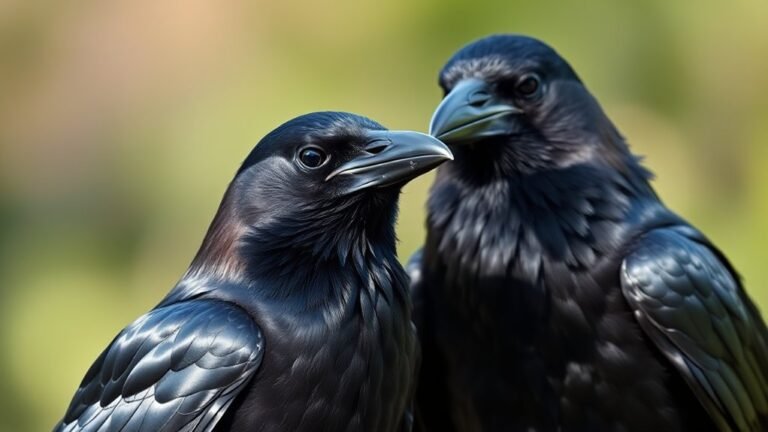
    When you see a black bird flying, you might mix up crows and ravens. These two birds look similar, but they have important differences. Ravens are bigger and often fly alone. They are very smart. Crows are smaller and like to be in groups. These differences can affect how they live in nature and their meaning in human culture. What interesting connections can you find between these birds?

  • Black Bird With Brown Chest: Identification Made Easy

    To identify a black bird with a brown chest, look for specific traits such as the shine of its feathers and its color patterns. The Brown-headed Cowbird and Common Grackle are two species that can be confusing because they have similar colors. However, their different habitats and behaviors can help you tell them apart. By observing these birds in their unique environments, you can enhance your identification skills. What details will you notice next?

  • Wading Bird With Tufted Head: Black and White Edition

    The tufted wading bird has striking black and white feathers that capture attention. Its long, thin legs help it walk easily in wet areas. This bird’s feeding habits are important for the environment. They help keep the ecosystem balanced. As you learn more about how this bird behaves and interacts, you see how vital it is to its habitat. What difficulties does this graceful bird face today?

  • Black and White Sea Birds: Coastal Beauties

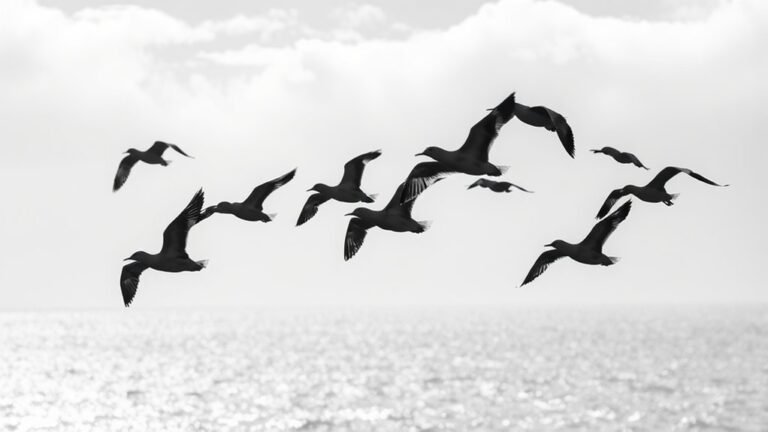
    Black and white sea birds have special features that help them thrive in coastal areas. Their plumage aids communication and helps them hide from predators. Birds like the Atlantic puffin and black-legged kittiwake show interesting behaviors in their habitats. Studying these birds gives important insights into marine ecosystems. However, various threats put their survival at risk. What issues are leading to their decline?

  • Black and White Bird Drawings: Artistic Inspiration

    Black and white bird drawings show a simple elegance that goes beyond color. They highlight the fine details and shapes of different species. The contrast of light and shadow creates depth and feeling. This invites contemplation on themes like resilience and hope. As you look at these drawings, think about how simplicity enhances their charm and what this says about nature and art. What will you discover next?

  • Cardinal-Like Black and White Bird: Is It Real?

    You may have heard about a bird that looks like a cardinal but has black and white feathers. Sightings of this bird occur mostly in woods and suburbs. These observations challenge our usual ideas about bird colors. To understand this bird better, we need to look into genetic changes and possible misidentifications. Could this unique bird change how we view bird genetics? Further studies might provide interesting findings. This intriguing possibility can spark curiosity and draw birdwatchers and nature lovers alike to explore more about this striking creature.

  • Wisconsin Black and White Birds: Winter Visitors

    Winter in Wisconsin is a great time for bird watchers. The landscape changes, and black and white birds visit. Each bird species has special traits and behaviors. For example, the Black-capped Chickadee is known for its friendly interactions. The Snow Buntings are seen in open fields, moving gracefully. To attract these birds to your yard, understand their feeding habits and habitats. You can use simple strategies to bring them closer. Set up bird feeders with seeds they like, such as sunflower seeds or millet. Create shelter with trees or shrubs, offering them a safe place to rest. Water sources are also important, especially in winter when natural ones may freeze. Enjoy watching these beautiful birds and their unique actions in your yard this winter season!