Author: Kashvi

Kashvi is a passionate bird enthusiast and nature lover who has been fascinated by the world of birds for years. With a keen eye for detail and a love for learning, Kashvi is dedicated to sharing her knowledge and insights with fellow bird enthusiasts on Avian Enthusiasts. Through her engaging and informative articles, Kashvi aims to inspire others to join her in exploring the fascinating world of birds and to promote a deeper appreciation for these incredible creatures.
  • 15 Most Beautiful Blue Birds in North America

    North America is home to many beautiful blue birds. Each species has unique traits and behaviors. The Eastern Bluebird prefers open areas for its habitat. The Indigo Bunting is known for its lovely song during mating season. Blue Jays are intelligent and social birds, while Western Bluebirds are often found in more arid environments. Learning about these species helps us appreciate their beauty and roles in nature. Each bird contributes to its ecosystem, making them vital to our environment. Exploring their characteristics can deepen our connection to them and enhance our enjoyment of birdwatching.

  • White Cardinals: Rare Beauty of Nature Explained

    When you see a white cardinal, you observe a rare example of nature. These birds have unique plumage that raises questions about genetics and their rarity. Their unusual appearance is a result of biological factors. Learning about their rarity can lead to a greater understanding of their habitat and behaviors. This knowledge encourages you to think about their role in ecosystems. What else can these fascinating birds share with us?

  • 10 Expert Tips to Attract Birds to New Feeders

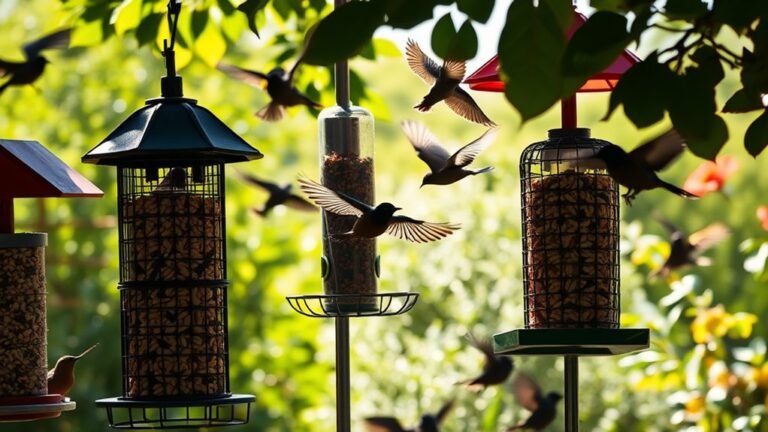
    To attract birds to new feeders, know what they like and how they behave. Different bird species eat differently. So, your choice of feeder and food is important. Additionally, the feeder’s location, cleanliness, and nearby natural resources matter. By improving these aspects, you can create a friendly space for birds. Here are some tips to help you attract a variety of birds to your yard: 1. **Choose the Right Feeder**: Select feeders that cater to specific bird species in your area. 2. **Use Quality Food**: Offer fresh seeds, suet, or nectar based on the birds you want to attract. 3. **Find the Ideal Location**: Place feeders in quiet, sheltered spots that birds feel safe accessing. 4. **Keep Feeders Clean**: Regularly clean feeders to prevent mold and disease. 5. **Provide Water**: Include a birdbath or other water source to help birds stay hydrated and clean. 6. **Add Natural Elements**: Incorporate plants, trees, or shrubs that provide natural shelter and food sources. 7. **Avoid Pesticides**: Create a safe environment by not using harmful chemicals that can deter birds. 8. **Be Patient**: It may take time for birds to discover your feeders, so give them time. 9. **Observe Behavior**: Pay attention to which birds visit and adjust your feeders and food accordingly. 10. **Stay Consistent**: Keep feeding regularly, especially in winter, to create a reliable food source. By following these strategies, you can create a welcoming environment that encourages a diverse range of birds to visit your yard. Enjoy watching them!

  • 8 Ways to Attract Pileated Woodpeckers to Your Yard

    If you’ve seen a pileated woodpecker, you know they are impressive birds. Attracting them to your yard takes some planning. You can improve your chances of seeing these beautiful visitors by making your yard welcoming. Here are some key steps to transform your space into a pileated woodpecker paradise. 1. **Provide Old Trees**: Pileated woodpeckers prefer large trees, especially those that are dead or decaying. These trees offer food and nesting sites. If you have old trees, leave them standing if they are safe. 2. **Create a Natural Habitat**: Maintain a natural environment by planting native trees and shrubs. This will provide food and shelter for these birds, encouraging them to visit your yard. 3. **Install Woodpecker Feeders**: Use suet feeders designed for woodpeckers. Fill them with high-energy suet to attract pileated woodpeckers. 4. **Offer Water Sources**: Provide a clean water source, like a birdbath. Water is essential for all birds and will draw them to your yard. 5. **Limit Disturbance**: Keep noise to a minimum and avoid using harsh chemicals in your yard. A quiet, safe environment will make your yard more attractive to woodpeckers. 6. **Avoid Pruning Too Much**: Leave some dead branches on trees, as they are essential for woodpecker feeding and nesting. 7. **Observe and Learn**: Spend time watching woodpeckers in nature. Understanding their behavior can help you create a better environment. 8. **Be Patient**: Attracting pileated woodpeckers may take time. Be patient and continue improving your yard to make it inviting for these stunning birds. By following these steps, you can create a welcoming space for pileated woodpeckers in your yard. Enjoy the beauty of these remarkable birds!

  • 12 Blue-Headed Birds You Need to Know: Quick Guide

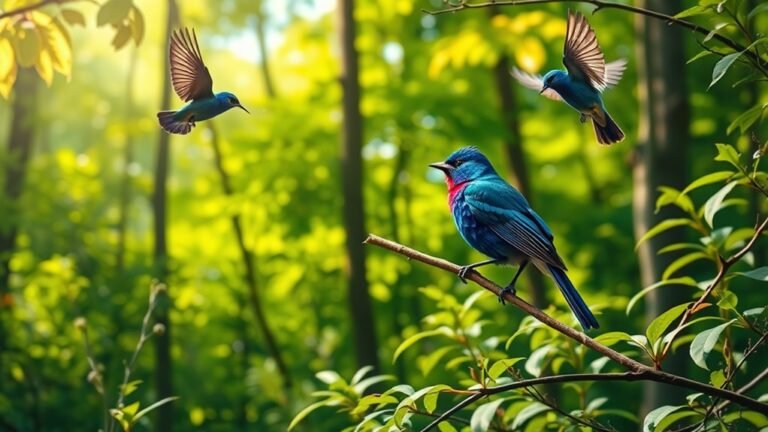
    Blue-headed birds showcase vibrant colors and interesting behaviors. Each type, like the Blue Jay and the Hyacinth Macaw, plays a vital role in its ecosystem. Learning about their functions and traits helps us understand their living conditions and adaptations. These birds capture our attention visually and play important roles in their environments. Let’s discover what makes each of these blue-headed birds special and unique.

  • Why Do Hummingbirds Chase? Territory Secrets Explained

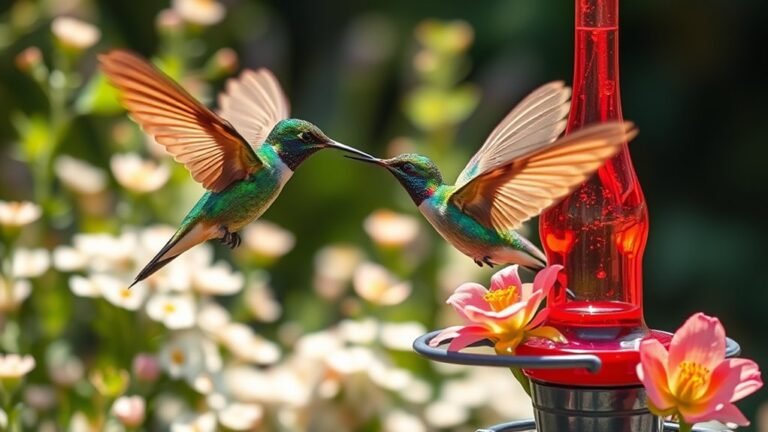
    Hummingbirds chase each other for important reasons. They are territorial and want to secure access to food and mating opportunities. Males often perform aerial displays to show dominance over feeding areas. When territories overlap, conflicts can arise. Understanding these behaviors helps us appreciate how hummingbirds ensure their survival and manage their social interactions.

  • Pileated Woodpecker Winter Survival: Complete Guide 2026

    Pileated woodpeckers have unique ways to survive winter. Their thick feathers and larger bodies help them stay warm. Watch how they search for food by drilling into dead trees and peeling off bark. These actions are crucial when food is scarce. Their social interactions and nesting habits also play a role in their winter survival. What other factors help these birds thrive in tough winter conditions?

  • Clean Up Bird Feeder Mess: 10 Proven Solutions That Work

    Cleaning up after your bird feeder can be easy. If you’ve seen the mess under it, you know it can attract pests and look unappealing. There are clear steps you can take to solve this problem effectively. By following a few simple tips, you can keep the feeding area tidy while enjoying the beauty of birds. What steps can you take to improve your birdwatching experience?

  • Birds of Georgia: 12 Most Beautiful Species

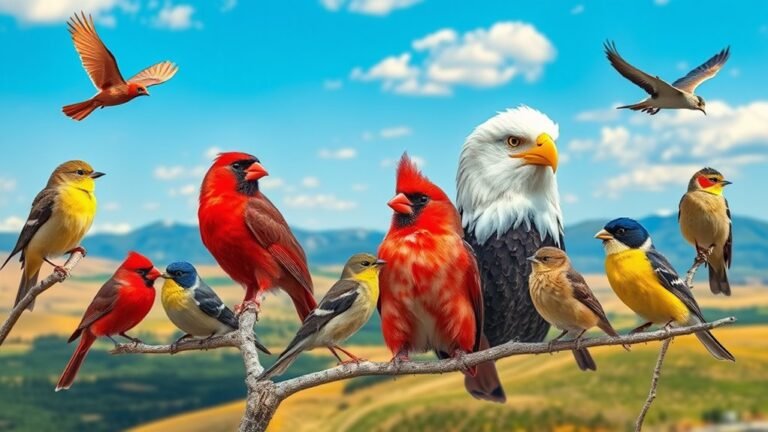
    Georgia has a rich variety of birds, showcasing vibrant colors and interesting behaviors. The Northern Cardinal stands out with its bright red plumage, while the Barn Owl often hides in shadowy places. Each bird plays an important role in the local ecosystem. Learning about these twelve beautiful birds helps us understand their importance and the conservation challenges they face. This journey into the lives of Georgia’s birds encourages us to appreciate nature and take steps to protect these remarkable species.

  • Birds of Montana: 12 Species Guide With Photos

    In Montana, you can see remarkable birds like the Bald Eagle and the Mountain Bluebird. These species adapt well to different habitats, showing how they connect with their surroundings. Each bird, from the singing Western Meadowlark to the secretive Barn Owl, plays an important role in Montana’s ecosystem. By learning about their behaviors and habitats, you can gain a deeper appreciation for them. This guide reveals the exciting discoveries that await you as you explore the birds of Montana.