Author: Kashvi

Kashvi is a passionate bird enthusiast and nature lover who has been fascinated by the world of birds for years. With a keen eye for detail and a love for learning, Kashvi is dedicated to sharing her knowledge and insights with fellow bird enthusiasts on Avian Enthusiasts. Through her engaging and informative articles, Kashvi aims to inspire others to join her in exploring the fascinating world of birds and to promote a deeper appreciation for these incredible creatures.
  • Yellow Birds With Black Wings: Ultimate Guide

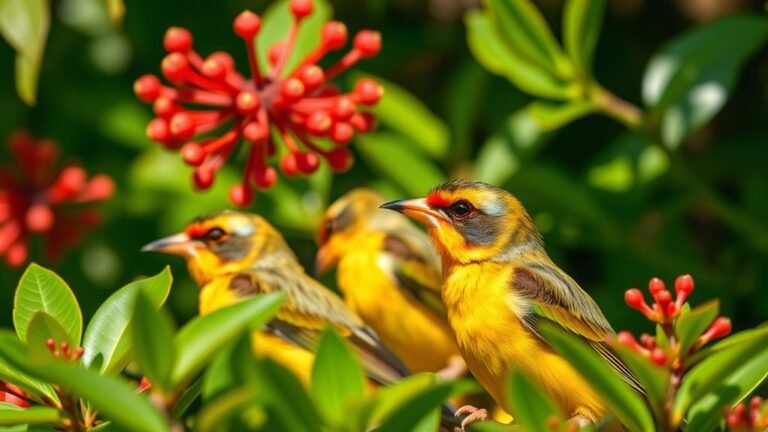
    Yellow birds with black wings display unique traits and behaviors. Their bright colors help in identifying them. Their habitats and feeding patterns also show their role in the ecosystem. Learning about these factors can deepen your understanding of these birds. Additionally, examining their nesting behavior reveals how well they adapt to their environment. This exploration can shed light on their survival techniques and the challenges they encounter.

  • Cardinal Vs Robin Key Differences: Complete Comparison Guide

    Cardinals and robins have distinct features that differentiate them. Cardinals are known for their bright red color and are common in wooded areas throughout the year. They sing a clear and melodic song that can often be heard in the mornings. In contrast, robins have a more muted brown and orange appearance. They migrate seasonally, traveling to warmer regions during the winter months. Their song is cheerful and varied, marking the arrival of spring for many. Understanding these differences helps us appreciate the unique adaptations of each bird. Additionally, their behaviors, such as nesting preferences and feeding habits, reveal how they interact with their environments. What other facts about cardinals and robins interest you?

  • Hummingbirds in Florida: A Complete Species Guide

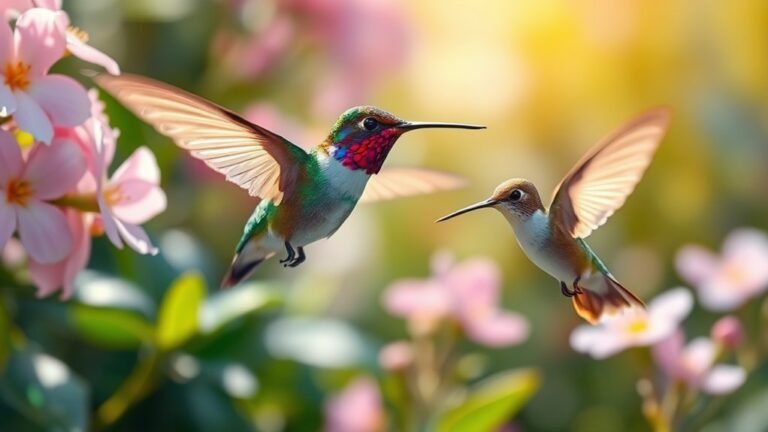
    When you observe hummingbirds in Florida, you will see many species, with the Ruby-throated Hummingbird being the most common. These birds live in various habitats, and knowing their habits is important for successful viewing. Learn about their migration and feeding patterns to attract them more effectively. What features make Florida’s hummingbirds special, and how can you create a welcoming space for them?

  • Hawks in Illinois: Identification and Conservation Tips

    Hawks in Illinois include many species with unique features and behaviors. By learning their traits, you can easily spot them in different places. Understanding their migration patterns helps you see how they fit into the environment. Finding good spots to watch them makes birdwatching more enjoyable and allows you to connect with these birds. You can help conserve hawks while enjoying birdwatching. Here are some simple actions you can take: keep a distance when observing them, support local conservation efforts, and educate others about hawk protection. Your efforts can make a difference in preserving these incredible birds.

  • Types of Ibis: A Fascinating Guide to These Wading Birds

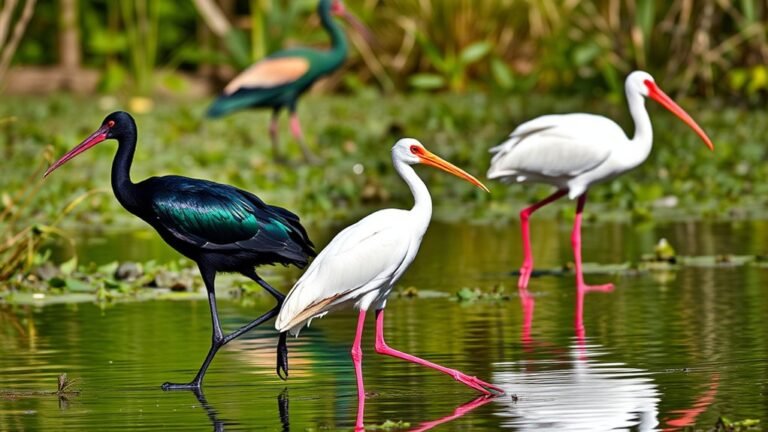
    When you watch ibises in their natural habitats, you notice their unique traits and social behaviors. These wading birds have striking feathers and specialized ways of feeding. Each species, like the Sacred Ibis with its long, curved beak or the colorful American Ibis, has distinct features. Learning about their lives offers insights into wetland ecosystems and the challenges they face. Observing ibises can deepen your appreciation for these remarkable birds and their roles in nature.

  • Hawks in New Jersey: Identification and Behavior Insights

    In New Jersey, identifying hawk species helps you understand local ecosystems. Each species, such as broad-winged hawks and Cooper’s hawks, has unique traits and behaviors tied to their habitats. Recognizing these differences is valuable for birdwatchers and conservation efforts. This knowledge raises questions about how hawks interact with their environment and the challenges they face. What strategies do they use in their natural settings?

  • Green Birds in Sarasota, Florida: A Local Species Guide

    Sarasota, Florida, is home to many green birds that thrive in various habitats. Some notable species include the Green Jay and Green Heron. To spot these birds, observe their habitats and behaviors. Listen for their unique calls and watch their feeding habits, as these can help you identify them. Understanding these details can enhance your birdwatching experiences. Sarasota’s biodiversity offers many opportunities for exploration, so take the time to learn about these fascinating birds.

  • Finches in Hawaii: Identification and Conservation

    Hawaiian finches, specifically honeycreepers, have unique adaptations that help them survive in Hawaii’s ecosystems. Identifying these species is important for understanding ecological principles. Their beak shapes are suited to their food sources, showcasing the connection between species and habitat. However, these birds face threats that endanger their survival. To protect Hawaiian finches, we need to understand these relationships better. What actions can we take to ensure their future?

  • Apple Cider Vinegar in Bird Baths: Benefits and Uses

    Enhance the wellbeing of birds in your yard by using apple cider vinegar in your bird baths. This natural tool is a strong antiseptic, helping to reduce harmful bacteria and improve water quality for birds. To use it effectively, follow simple guidelines that benefit both the birds and your enjoyment of watching them. Implementing apple cider vinegar in your bird baths is an easy and rewarding practice.

  • Red-Headed Birds of Hawaii: Rare and Beautiful Species

    Hawaii’s red-headed birds, such as the Hawaiian Amakihi and ‘I’iwi, are crucial to their ecosystems, particularly in pollination. Their bright colors and unique features are captivating. However, they face threats from habitat loss and invasive species. It is essential to understand these birds and the challenges they face. To ensure their survival, we can take several steps. Protecting their habitats is vital. This includes creating conservation areas and restoring native plants. Reducing the impact of invasive species is also important. We can support programs that manage these species and promote public awareness about their effects. Engaging local communities in conservation efforts can foster a sense of responsibility. Educational initiatives can help people appreciate these birds and the roles they play. Every action counts in creating a safe environment for Hawaii’s red-headed birds.