Birds in Spain: A Guide to Native and Migratory Species
Spain has over 600 bird species. These birds live in various ecosystems, such as wetlands and mountains. Their movement changes based on weather and food sources. Knowing both native and migratory birds helps us appreciate Spain's wildlife. This understanding also affects local birdwatching and conservation efforts. Many strategies exist to protect these birds and their habitats.
Key Takeaways
Spain has over 600 bird species. This diversity makes it an ideal location for birdwatching. Some important native species are the Iberian chaffinch and Bonelli's eagle. These birds are well-suited to their environments.
Many birds migrate each year based on food availability. Some travel thousands of kilometers during their journeys. Key habitats, like wetlands and mountains, provide support for various bird populations.
Conservation efforts play a vital role in maintaining these bird populations. Protecting their habitats helps ensure their ecological importance in Spain. Birdwatching in Spain offers a unique experience, combining nature and the joy of observing these fascinating creatures.
Overview of Spain's Bird Diversity

Spain boasts an impressive variety of over 600 bird species, making it one of Europe's premier birdwatching destinations. This diversity reflects the country's unique habitats and ecosystems, fostering an array of bird behaviors essential for survival.
You'll notice fascinating nesting patterns, foraging techniques, and migratory strategies that adapt to different environments. Understanding these behaviors highlights the ecological significance of each species, as they contribute to pollination, seed dispersal, and pest control, sustaining a balanced ecosystem.
Key Habitats for Birds in Spain
Each bird species in Spain thrives within specific habitats that cater to their needs.
Wetland ecosystems play a vital role, offering rich feeding grounds and nesting sites for myriad species. You'll find these vibrant areas teeming with aquatic plants and invertebrates, ideal for species like herons and ducks.
Conversely, mountain habitats present a stark contrast, fostering a diverse array of birds adapted to rocky terrains and alpine vegetation. Here, species such as the alpine accentor flourish, benefiting from the unique environmental conditions.
Understanding these significant habitats not only deepens your appreciation for Spain's avian diversity but also underscores the importance of habitat conservation, ensuring that these ecosystems remain resilient for future generations of birds and birdwatchers alike.
Notable Native Bird Species

The diverse avifauna of Spain includes several notable native bird species that embody the country's rich ecological tapestry. Among these, the Iberian chaffinch demonstrates remarkable habitat adaptation, thriving in varied environments from woodlands to urban areas.
Another key endemic species is the Se permitted crossbill, which highlights the importance of forest habitats for feeding and nesting. You'll find that these birds have developed unique behaviors tailored to their specific habitats.
For instance, the Bonelli's eagle displays exceptional hunting skills, primarily preying on medium-sized mammals. Observing these native species can deepen your connection to Spain's ecological diversity, providing insight into how avian life is intricately linked to the health of their surroundings and the overall ecosystem.
The Iberian Magpie: A Unique Resident
Although often overshadowed by its more colorful relatives, the Iberian magpie stands out due to its distinct characteristics and behavior. This bird, endemic to the Iberian Peninsula, exhibits unique traits like its black-tipped wings and elongated tail, allowing it to thrive in varied environments.
You'll find its adaptability fascinating, as it inhabits diverse habitats, from woodlands to urban areas. The Iberian magpie's cultural significance is significant; it symbolizes resilience and resourcefulness, often featuring in local folklore and art.
Moreover, its social behavior, characterized by complex vocalizations and cooperative breeding, reflects an intricate social structure that can deepen your appreciation for its role in ecosystems. Observing this unique resident can foster a sense of connection and belonging to Spain's rich avian heritage.
The European Bee-Eater: A Colorful Visitor

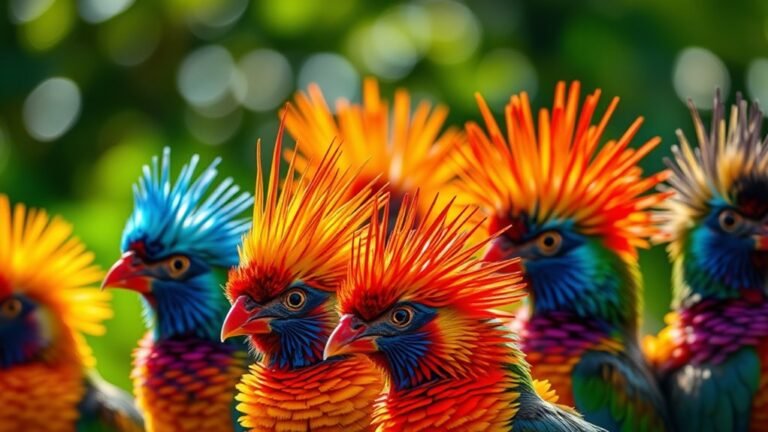
Nestled among the vibrant shades of the Spanish landscape, the European bee-eater captivates with its striking plumage and remarkable hunting abilities.
You'll often find these birds thriving in open habitats, such as fields, wetlands, and sandy banks, where they breed in colonies. Observing their behavior is a delight; they exhibit social dynamics while foraging in flocks, skillfully catching bees and other insects in mid-flight.
Their distinct calls echo through the air, adding to their charm. The colorful feathers act as a sunlit spectacle, drawing you closer to nature.
As you appreciate their presence, consider how these birds adapt to varying environments, revealing the intricate balancing act of ecosystems—each vibrant hue a demonstration of their survival strategies.
Migratory Patterns and Seasonal Arrivals
During their breeding season, European bee-eaters and other migratory birds exhibit fascinating patterns that reveal their connection to the environment. You'll notice that these birds follow specific migration trends, often arriving synchronously with the seasonal fluctuations of food availability. This timing maximizes their reproductive success by ensuring that ample resources are present when raising their young.
Many species, including swallows and storks, migrate thousands of kilometers, adjusting their routes based on climate conditions and habitat changes. Observing these patterns not only enhances your appreciation for Spain's biodiversity but also emphasizes the critical interplay between climate and avian life.
Important Birdwatching Locations
As you explore Spain's diverse landscapes, you'll uncover numerous important birdwatching locations that offer unparalleled opportunities to observe avian species in their natural habitats.
Regions like Doñana National Park, with its rich wetlands, and the spectacular cliffs of Los Sargos are essential for both native and migratory birds.
Engaging in birdwatching tours led by local guides will enhance your experience, as they provide insightful knowledge about specific habitats, seasonal changes, and bird behaviors.
Know where to look, and you'll spot a variety of species from the majestic Iberian magpie to the elusive booted eagle.
These tours not only cater to your passion but also foster a sense of community among fellow birdwatchers, strengthening your connection to Spain's vibrant avian life.
Conservation Efforts for Avian Life
While Spain boasts incredible biodiversity, its avian populations face numerous threats that necessitate concerted conservation efforts.
You might be aware that habitat preservation is essential for protecting the myriad bird species that call Spain home. Organizations and local communities work tirelessly to restore wetlands, grasslands, and forests, recognizing their important role in supporting both native and migratory birds.
Legislative frameworks also greatly impact these efforts; laws like the Birds Directive establish protective measures are in place, though their effectiveness often depends on enforcement.
Engaging in advocacy and supporting local initiatives can amplify these conservation strategies, creating a stronger sense of community among bird enthusiasts.
Best Times of Year for Birdwatching
The best times for birdwatching in Spain largely align with the seasonal migration patterns of numerous species, making spring and autumn prime periods for enthusiasts.
During spring migrations, you'll observe a diverse array of birds returning to breed. Autumn flocks, on the other hand, provide the chance to witness these birds gathering and preparing for their journey south.
Consider planning your birdwatching excursions during:
- Late March to early June for spring migrations
- Late July to October for autumn flocks
- Early mornings and late afternoons for peak activity
- Specific areas like wetlands and coastal regions for abundant sightings
Tips for Birdwatchers in Spain
Regularly preparing for birdwatching in Spain can greatly enhance your experience. Start with binocular basics; invest in a quality pair with at least 8x magnification and a wide field of view. This helps you spot elusive species without disturbing their habitat.
Focus on ethical birdwatching practices—keep your distance, avoid nesting areas, and refrain from using playback calls to lure birds. Familiarize yourself with local regulations and guidelines respecting wildlife.
Join birdwatching communities, connect with fellow enthusiasts, and share your observations to foster a sense of belonging. Finally, keep a field notebook to document your sightings; it's not just about the birds but also the journey you'll share with nature.
Your thoughtful approach will deepen your appreciation of Spain's avian diversity.
Frequently Asked Questions
What Are the Best Birdwatching Binoculars for Beginners in Spain?
When selecting binoculars, consider roof-prism and porro-prism types. For beginners, 8×42 magnification is a great choice. Pay attention to comfort and weight for a better birdwatching experience. You will enjoy your time observing birds more!
Are There Any Birdwatching Festivals in Spain Throughout the Year?
Yes, Spain hosts many birdwatching events throughout the year, particularly during migratory seasons. These festivals improve your experience by providing knowledge about local habitats. They also allow you to meet others who share your passion for birds. Enjoy the sights and sounds of diverse bird species while connecting with fellow birdwatchers.
How Do Cultural Factors Influence Birdwatching in Spain?
Cultural factors influence birdwatching in Spain. Local traditions and folklore enhance the experience. Understanding these stories deepens your connection to the environment and the birds. This knowledge enriches your appreciation for Spain's diverse avian life. Engaging with local culture makes birdwatching more enjoyable and meaningful.
What Are the Potential Threats to Bird Populations in Spain?
Habitat loss and climate change pose major threats to bird populations in Spain. Urban expansion reduces natural habitats where birds live and breed. Changes in climate also affect temperature and weather patterns, making it difficult for bird species to adapt. As a result, many species face population declines, leading to decreased biodiversity and disturbed ecosystems. Protecting habitats and addressing climate change are essential to support bird populations and maintain ecological balance.
Can I Find Birdwatching Tours in Spanish National Parks?
Yes, you can find great birdwatching tours in Spanish national parks. These parks offer guided tours that take you to the best spots for birdwatching. You will have the chance to see a variety of bird species in their natural settings. Enjoying nature and learning about different birds makes for a rewarding experience.

Kashvi is a passionate bird enthusiast and nature lover who has been fascinated by the world of birds for years. With a keen eye for detail and a love for learning, Kashvi is dedicated to sharing her knowledge and insights with fellow bird enthusiasts on Avian Enthusiasts. Through her engaging and informative articles, Kashvi aims to inspire others to join her in exploring the fascinating world of birds and to promote a deeper appreciation for these incredible creatures.