Birds Guide

  • 12 Common Winter Birds of Ohio You Must Know

    In winter, Ohio is home to a variety of birds that adapt to cold weather. Common species like the American Goldfinch and Northern Cardinal bring bright colors to the snowy landscape. The Common Grackle has interesting feeding habits that are worth observing. These winter birds play important roles in the ecosystem. They help with seed dispersal and pest control, contributing to the health of their habitats. To identify these birds, look for their distinctive colors, shapes, and calls. This knowledge can enhance your winter birdwatching experience and deepen your appreciation for nature.

  • Eastern Bluebird Winter Guide: Survival Secrets

    When winter comes, Eastern Bluebirds face many challenges that require smart adaptations for survival. They depend on certain food sources, places for shelter, and social behaviors to help them survive the cold. Knowing how these birds adapt to winter is important. It highlights the need to protect their habitats. You will learn how they cope with their environment and how you can help them during this crucial time. Eastern Bluebirds primarily eat insects, berries, and fruits. In winter, they search for food in open areas and fields. They often find berries on trees and bushes. Providing native plants that produce berries can support these birds through the cold months. For shelter, Eastern Bluebirds prefer natural cavities in trees or man-made birdhouses. Installing bluebird houses in your yard can offer them a safe place to stay. These houses can protect them from harsh weather and predators. Socially, Eastern Bluebirds often flock together in winter. This behavior helps them find food and stay safe from threats. Observing these birds can be enjoyable and rewarding. You can create a welcoming environment by offering food and shelter, making your yard a supportive space for Eastern Bluebirds during winter.

  • Rat-Free Bird Feeding: 12 Solutions That Work

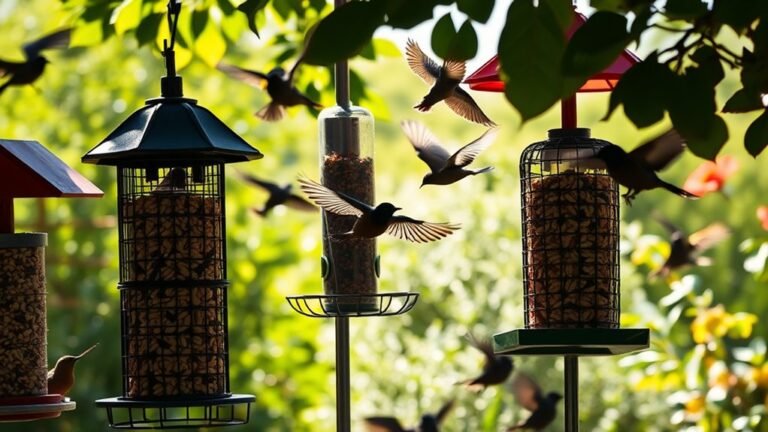
    To create a bird-friendly space without attracting rats, plan your approach carefully. Choose feeders that prevent access for rodents and select seeds that attract birds but not rats. Keep the area clean and control any food spills around your feeders. These steps will help you build a vibrant bird community while keeping unwanted guests away. Let’s look at some effective solutions that can improve your bird feeding experience.

  • How Cardinals Survive Winter: Natures Secrets

    Cardinals face winter challenges with unique skills. Their bright feathers are more than beautiful; they help them survive. As temperatures drop, cardinals change their behavior to adapt. They employ smart foraging methods to find food and rely on their social groups for support during tough times. What can we learn from these colorful birds about staying strong and adaptable in difficult situations?

  • 15 Most Beautiful Blue Birds in North America

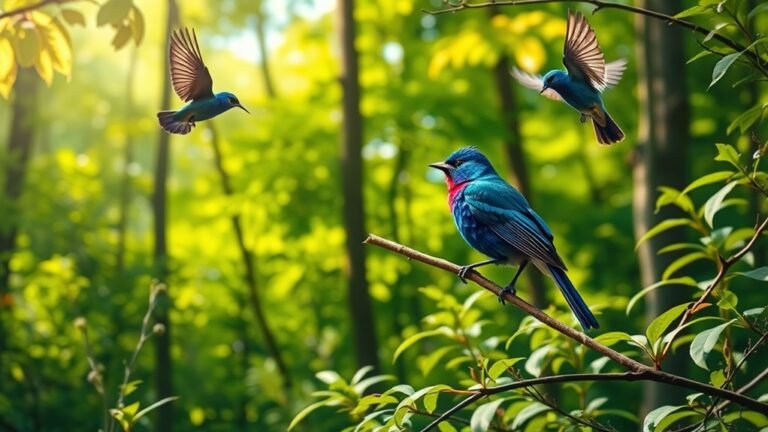
    North America is home to many beautiful blue birds. Each species has unique traits and behaviors. The Eastern Bluebird prefers open areas for its habitat. The Indigo Bunting is known for its lovely song during mating season. Blue Jays are intelligent and social birds, while Western Bluebirds are often found in more arid environments. Learning about these species helps us appreciate their beauty and roles in nature. Each bird contributes to its ecosystem, making them vital to our environment. Exploring their characteristics can deepen our connection to them and enhance our enjoyment of birdwatching.

  • White Cardinals: Rare Beauty of Nature Explained

    When you see a white cardinal, you observe a rare example of nature. These birds have unique plumage that raises questions about genetics and their rarity. Their unusual appearance is a result of biological factors. Learning about their rarity can lead to a greater understanding of their habitat and behaviors. This knowledge encourages you to think about their role in ecosystems. What else can these fascinating birds share with us?

  • 10 Expert Tips to Attract Birds to New Feeders

    To attract birds to new feeders, know what they like and how they behave. Different bird species eat differently. So, your choice of feeder and food is important. Additionally, the feeder’s location, cleanliness, and nearby natural resources matter. By improving these aspects, you can create a friendly space for birds. Here are some tips to help you attract a variety of birds to your yard: 1. **Choose the Right Feeder**: Select feeders that cater to specific bird species in your area. 2. **Use Quality Food**: Offer fresh seeds, suet, or nectar based on the birds you want to attract. 3. **Find the Ideal Location**: Place feeders in quiet, sheltered spots that birds feel safe accessing. 4. **Keep Feeders Clean**: Regularly clean feeders to prevent mold and disease. 5. **Provide Water**: Include a birdbath or other water source to help birds stay hydrated and clean. 6. **Add Natural Elements**: Incorporate plants, trees, or shrubs that provide natural shelter and food sources. 7. **Avoid Pesticides**: Create a safe environment by not using harmful chemicals that can deter birds. 8. **Be Patient**: It may take time for birds to discover your feeders, so give them time. 9. **Observe Behavior**: Pay attention to which birds visit and adjust your feeders and food accordingly. 10. **Stay Consistent**: Keep feeding regularly, especially in winter, to create a reliable food source. By following these strategies, you can create a welcoming environment that encourages a diverse range of birds to visit your yard. Enjoy watching them!

  • 8 Ways to Attract Pileated Woodpeckers to Your Yard

    If you’ve seen a pileated woodpecker, you know they are impressive birds. Attracting them to your yard takes some planning. You can improve your chances of seeing these beautiful visitors by making your yard welcoming. Here are some key steps to transform your space into a pileated woodpecker paradise. 1. **Provide Old Trees**: Pileated woodpeckers prefer large trees, especially those that are dead or decaying. These trees offer food and nesting sites. If you have old trees, leave them standing if they are safe. 2. **Create a Natural Habitat**: Maintain a natural environment by planting native trees and shrubs. This will provide food and shelter for these birds, encouraging them to visit your yard. 3. **Install Woodpecker Feeders**: Use suet feeders designed for woodpeckers. Fill them with high-energy suet to attract pileated woodpeckers. 4. **Offer Water Sources**: Provide a clean water source, like a birdbath. Water is essential for all birds and will draw them to your yard. 5. **Limit Disturbance**: Keep noise to a minimum and avoid using harsh chemicals in your yard. A quiet, safe environment will make your yard more attractive to woodpeckers. 6. **Avoid Pruning Too Much**: Leave some dead branches on trees, as they are essential for woodpecker feeding and nesting. 7. **Observe and Learn**: Spend time watching woodpeckers in nature. Understanding their behavior can help you create a better environment. 8. **Be Patient**: Attracting pileated woodpeckers may take time. Be patient and continue improving your yard to make it inviting for these stunning birds. By following these steps, you can create a welcoming space for pileated woodpeckers in your yard. Enjoy the beauty of these remarkable birds!

  • 12 Blue-Headed Birds You Need to Know: Quick Guide

    Blue-headed birds showcase vibrant colors and interesting behaviors. Each type, like the Blue Jay and the Hyacinth Macaw, plays a vital role in its ecosystem. Learning about their functions and traits helps us understand their living conditions and adaptations. These birds capture our attention visually and play important roles in their environments. Let’s discover what makes each of these blue-headed birds special and unique.

  • Why Do Hummingbirds Chase? Territory Secrets Explained

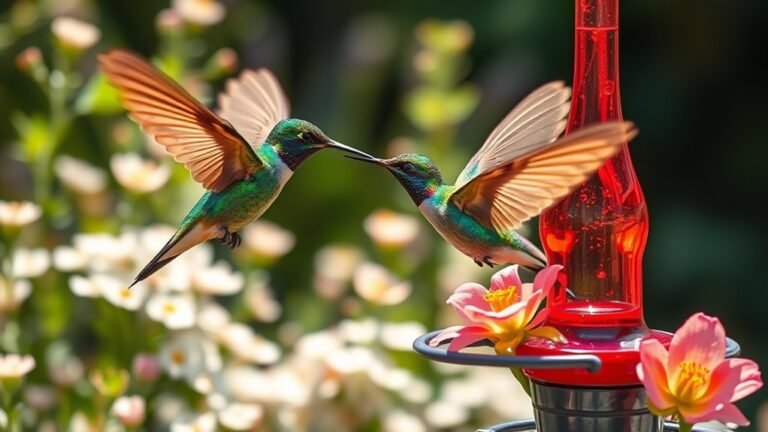
    Hummingbirds chase each other for important reasons. They are territorial and want to secure access to food and mating opportunities. Males often perform aerial displays to show dominance over feeding areas. When territories overlap, conflicts can arise. Understanding these behaviors helps us appreciate how hummingbirds ensure their survival and manage their social interactions.