Birds Info

  • Birds of Wisconsin: 12 Most Common Species

    In Wisconsin, you can see many bird species that play important roles in the local ecosystem. Some of the most common birds are the American Robin, Northern Cardinal, and Blue Jay. Each of these birds has unique behaviors and sounds. Learning about their habits can help you understand how they interact with their environment and each other. This knowledge can spark your curiosity and encourage you to explore more about these fascinating creatures.

  • How Many Crows Make a Murder? Mystery Solved

    A herd of crows is called a “murder.” This term does not refer to a specific number of crows but highlights their social behavior. Crows are intelligent birds that often gather in groups. Their gatherings can indicate various social interactions and behaviors. Understanding these dynamics can offer insights into how crows communicate and live together.

  • 10 Ways to Attract Cedar Waxwings to Your Garden

    To attract Cedar Waxwings to your garden, consider their food and shelter needs. These birds enjoy areas with native plants that produce fruit. By making specific changes, you can create a friendly space for them. Here are some ways to enhance your garden for Cedar Waxwings, starting with the right plants and food sources. 1. Plant fruit-bearing trees and bushes. Cedar Waxwings love berries, so consider adding serviceberries, elderberries, and hawthorn. 2. Create a water source. A small birdbath can provide a refreshing spot for them to drink and bathe. 3. Avoid pesticides. These chemicals can harm Cedar Waxwings and reduce their food supply. 4. Offer nesting sites. Leave some areas of your garden wild, with dense shrubs or small trees for shelter. 5. Grow native plants. Native species attract insects, which provide food for the birds. 6. Use mulch. It helps retain moisture and supports plants that produce fruit for the birds. 7. Provide perching spots. Low trees or tall shrubs give Cedar Waxwings places to rest and watch for food. 8. Organize fruiting plants in clusters. This makes it easier for the birds to find and enjoy their meals. 9. Monitor food supply. Check that fruiting plants are healthy and bearing fruit during the season when Cedar Waxwings visit. 10. Be patient. It may take time for these beautiful birds to discover your garden, but with the right setup, they will come. By following these tips, you can create a welcoming garden that attracts Cedar Waxwings and brings joy with their presence.

  • Hummingbird Bird Baths: 8 Benefits and Uses

    If you want to improve your garden and help local wildlife, consider adding hummingbird bird baths. These baths attract hummingbirds and provide them with essential water during hot weather. Keeping the bath clean helps birds maintain healthy bathing habits. This practice supports their health and well-being. Moreover, hummingbird bird baths can make your outdoor space more attractive. They offer benefits that go beyond just aesthetics and convenience. Let’s dive into the key advantages and uses of hummingbird bird baths.

  • Goldfinch Migration Patterns: Complete Guide

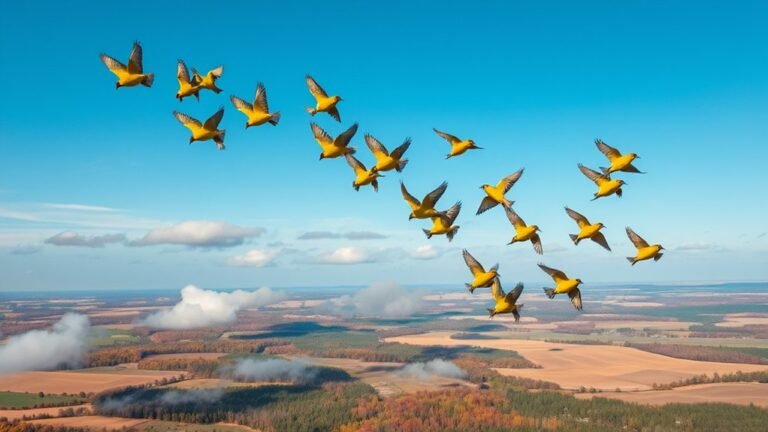
    Goldfinches migrate each year, moving north in spring and south in late summer. Several factors affect their migration, including daylight hours and food availability. Their migration routes change based on geography, showing how they adapt to different habitats. Observing these movements highlights their strength and resilience. Additionally, it raises important questions about the difficulties they encounter in a changing environment. Understanding these patterns can help us appreciate and protect goldfinches as they navigate their journeys.

  • 8 Common Blue Birds in New York State Guide

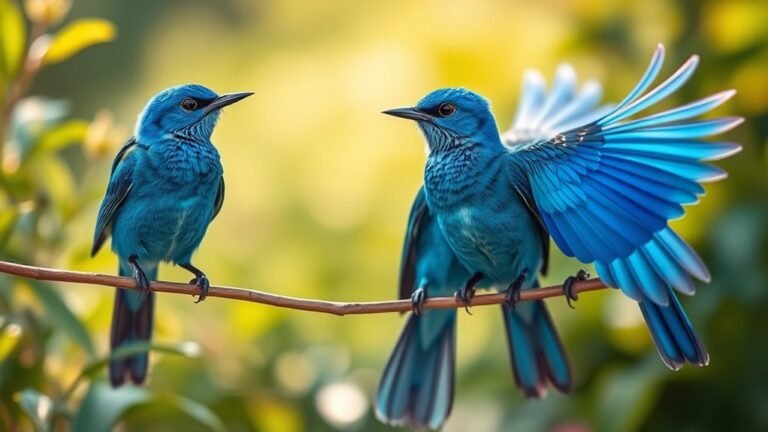
    As you explore New York State, you will see many blue birds that brighten the scenery. Each species has unique features, such as the Eastern Bluebird with its beautiful song and the intelligent Blue Jay. Observing their behaviors and habitats can provide insight into their lives. You will also learn about their migrations and how they interact with other wildlife. Enjoy the adventure of birdwatching and discover the wonders of these blue birds.

  • 12 Beautiful Blue Colored Birds of Texas

    Texas is home to many beautiful blue birds that showcase different traits and behaviors. The Eastern Bluebird is colorful and friendly, while the Blue Jay is clever and social. Each species plays a valuable role in the ecosystem of Texas. Their feathers may catch your eye, but their roles in nature are what make them important. What other facts about these birds can help you appreciate their place in the environment?

  • Rare Yellow Cardinals: Everything You Need to Know

    If you are interested in the rare yellow cardinal, it is important to learn about its genetics. These birds are known for their bright color, which comes from specific mutations. They are mostly found in the southeastern United States. In addition to their appearance, their behavior and habitat are also fascinating. Their diet primarily consists of seeds and fruits. They have distinct social structures, often seen in pairs or small groups. Urbanization impacts their survival, making conservation efforts critical. Protecting their habitat is vital for the future of this unique species. These efforts can help ensure that future generations can enjoy seeing these beautiful birds.

  • 12 Birds With Orange Beaks: Complete Guide

    In this guide, you will learn about 12 different birds that have striking orange beaks. Each bird, from the Atlantic Puffin to the Toco Toucan, has special traits that help it survive in its environment. Knowing these traits is important for bird watchers and for conservation efforts. As you look at their habitats and feeding methods, you will understand their roles in ecosystems that are facing threats. What challenges do these birds face?