Birds Info

  • Can Ducks Eat Cucumber? Diet and Nutrition Explained

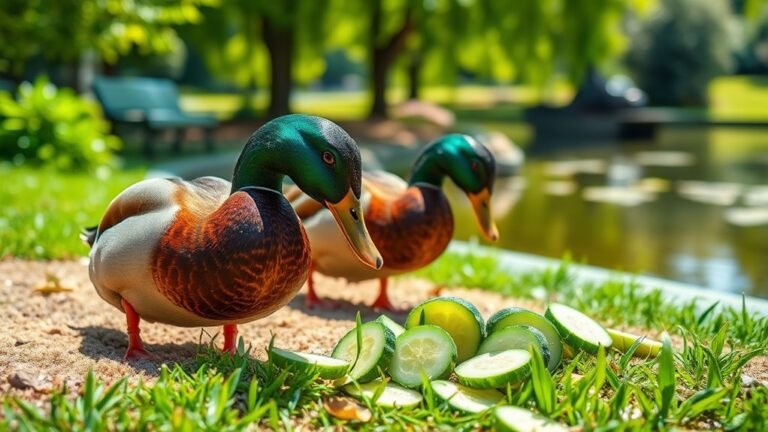
    Ducks can eat cucumbers. These refreshing vegetables provide hydration, vitamins, and fiber. They can be a healthy part of your ducks’ diet. However, it’s important to prepare and serve cucumbers correctly. Knowing the right amounts and how often to feed them ensures your ducks remain healthy. If you want to learn how to safely add cucumbers to their diet, keep reading for the best feeding tips.

  • Hawks in Michigan: Identification and Conservation

    In Michigan, you can identify hawks by their unique features such as plumage and flight patterns. The Red-tailed Hawk, Cooper’s Hawk, and Sharp-shinned Hawk have distinct traits that help you tell them apart. However, these species face serious threats like habitat loss and climate change. It is important to understand these challenges to support conservation efforts. You can help by getting involved in local initiatives. Participate in community events, support habitat restoration projects, or educate others about hawks and their importance. Every action counts in protecting these amazing birds. What actions will you take to help?

  • Birds With Red Heads: a Fascinating Species Guide

    Birds with red heads show unique traits that intrigue many people. Species like the Red-Headed Woodpecker and the Northern Cardinal have bright feathers. These colors help them in their behaviors and habitats. Understanding these birds helps us learn about their survival and the challenges they face. These birds play important roles in their ecosystems. For example, they help control insect populations and spread seeds. By observing their actions and habitats, we can gain insights into their lives and needs for protection. Exploring the characteristics of these beautiful birds can change how we see them. Appreciating their beauty and understanding their importance can encourage conservation efforts.

  • Finches in Michigan: Identification and Behavior

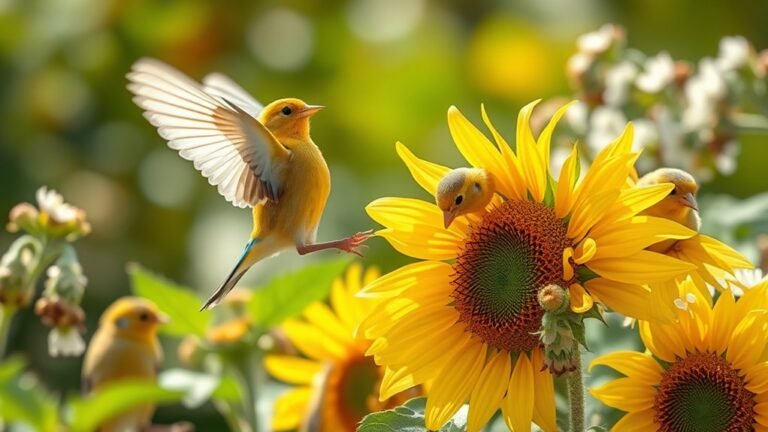
    In Michigan, finches are interesting birds with unique identification features and behaviors. The American Goldfinch, House Finch, and Pine Siskin each have specific traits that help you recognize them. The American Goldfinch has bright yellow plumage in summer, while the House Finch has a more brownish color with red streaks on its head. The Pine Siskin features a streaked body and yellow wing bars. These birds also have different feeding habits. American Goldfinches prefer seeds from thistles and sunflowers. House Finches often feed on discarded food in urban areas, while Pine Siskins enjoy seeds from coniferous trees. Identifying finches can be tricky due to their similar appearances. To spot them, pay attention to their colors, sizes, and feeding behaviors. By observing these traits, you can appreciate the diversity of finches in Michigan’s ecosystems and enjoy watching them.

  • Types of Hummingbirds in Maryland: A Complete Guide

    Hummingbirds in Maryland offer a fascinating variety for bird watchers. The Ruby-Throated Hummingbird is the most common breeding species here. You will also see the vibrant Rufous Hummingbird. Each species has unique feeding habits and behaviors. These birds are important for pollination as they move from flower to flower. Learning about their traits can deepen your interest in them. Their migration patterns and social interactions add to their charm. Whether you are a birdwatcher or just curious, observing hummingbirds can be an enjoyable experience.

  • Doves in Alabama: Symbolism and Species Guide

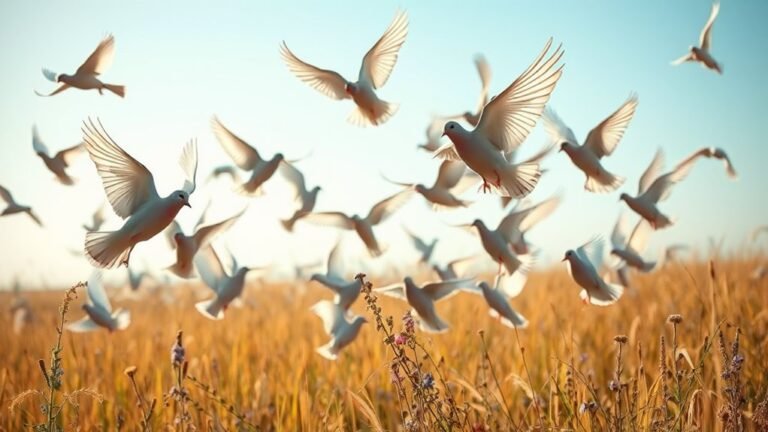
    In Alabama, doves represent peace and love in many cultures and religions. You can find different species, such as the Mourning Dove and White-winged Dove, in both urban and natural areas. These birds play a significant role in local ecosystems. Learning about their habitats and behaviors helps you appreciate their beauty and the balance in nature. What interesting facts will you discover about these symbolic birds?

  • Hummingbirds in Missouri: Identification and Attraction Tips

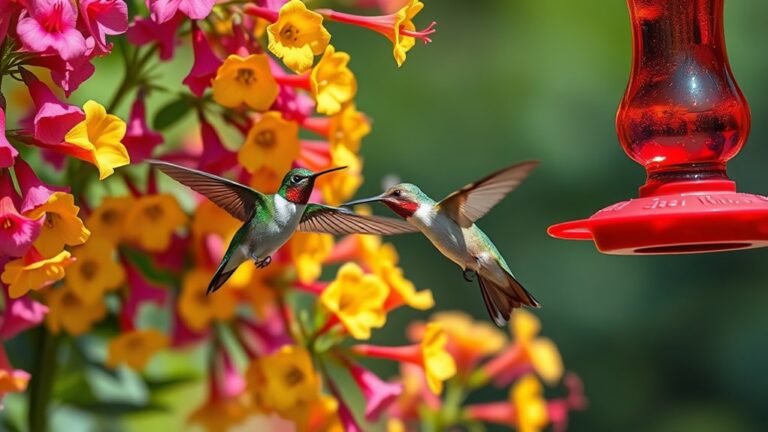
    To attract hummingbirds to your Missouri garden, start by recognizing the common species: Ruby-throated and Rufous hummingbirds. Each has unique colors and patterns. To increase their visits, choose plants that appeal to them. Brightly colored flowers with tubular shapes are particularly inviting. Additionally, use feeders filled with a sugar-water solution (1 part sugar to 4 parts water) to supplement natural food sources. Keep feeders clean and refill them regularly to maintain interest. Creating a garden with a variety of flowers and feeders will help draw these captivating birds to your space. Consider planting native plants, as they can provide a natural food source. Also, avoid using pesticides, which can harm hummingbirds. By following these simple steps, you can build an attractive environment for these amazing creatures.

  • Hummingbird Nests: Secrets of Their Tiny Homes

    Hummingbirds build tiny nests that are about 2 to 4 inches wide. These nests keep their eggs warm and hidden from predators. Hummingbirds gather materials like spider silk, leaves, and feathers to construct these homes. They choose locations that provide safety and shelter, often placing their nests in trees or bushes. The care and skill they show in building nests highlight their instincts. Learn more about how these fascinating birds create their small, yet powerful, homes.

  • Doves in Illinois: Species and Behavior Insights

    Doves in Illinois consist of various species, each with distinct features and behaviors. The Mourning Dove and the Eurasian Collared-Dove are the most common. Mourning Doves thrive in cities and show specific behaviors that help them survive. In contrast, the Eurasian Collared-Dove is an invasive species that poses risks to local birds. Understanding the impact of these doves on their environments is important for conservation efforts. What effects do these species have on local ecosystems?