Birds Info

  • North Carolina Black Birds: Year-Round Residents

    In North Carolina, several blackbird species live year-round and adapt to various environments. The red-winged blackbird prefers marshes, while the common grackle thrives in cities. Studying their behaviors and roles shows how they fit into the local ecosystem. However, understanding how they survive environmental changes raises important questions. What factors help these birds remain in their habitats?

  • Georgia’s Black Birds: Backyard Visitors

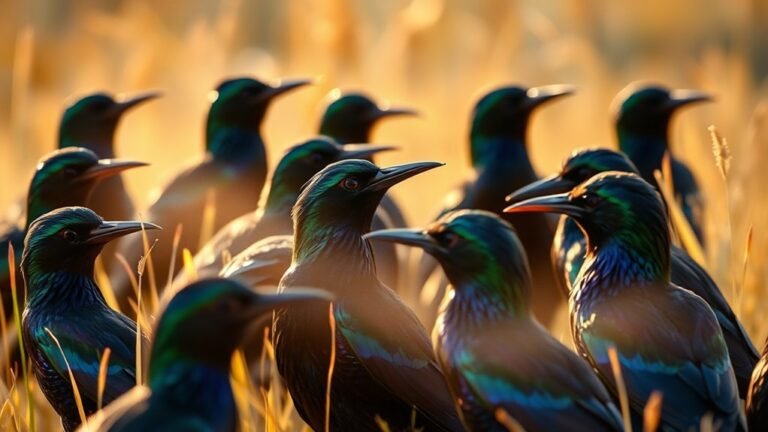
    In Georgia, black birds like the common grackle and red-winged blackbird are important for local ecosystems. Their behaviors reveal insights about their social structures and adaptability. To attract these birds, you can improve your backyard for better observation and enjoyment. Additionally, it is vital to consider their conservation and habitat needs. This awareness helps us understand how to live harmoniously with our feathered friends. Enjoy the beauty and uniqueness of these birds while supporting their natural environment.

  • Missouri Black Birds: Regional Insights

    In Missouri, blackbirds such as the Red-winged Blackbird and Common Grackle indicate important ecological relationships. These birds prefer wetlands and agricultural areas, showing their adaptability and group behavior. Their presence can signal environmental health and biodiversity levels. As more urban areas develop, it becomes important to understand how these blackbirds contribute to pest control and seed dispersal. This understanding is vital for conservation efforts in the state. Their role in the ecosystem highlights the need to protect their habitats while ensuring a balanced environment.

  • Wisconsin Black Birds: Common and Rare Varieties

    In Wisconsin, various black birds live in different ecosystems. Common species, like the Red-Winged Blackbird, are easy to see. Rarer birds, such as the Rusty Blackbird, are harder to find. Knowing their habits, homes, and migration patterns helps us understand the health of Wisconsin’s wetlands and grasslands. Several factors affect how many of these birds are present across the state. These include the availability of food, suitable nesting sites, and changes in habitat due to development or climate. Observing and learning about these birds can enhance your appreciation of Wisconsin’s natural beauty. Birdwatching can be a rewarding activity, allowing you to connect with nature and witness the diversity of wildlife around you.

  • Black Birds in Puerto Rico: Island Species Guide

    Black birds in Puerto Rico show how they adapt to their environment and hold cultural significance. The Greater Antillean Grackle and Shiny Cowbird live in various habitats, from busy San Juan streets to peaceful coastal mangroves. These birds’ behaviors provide insights into the island’s ecosystem. Understanding their challenges can help improve conservation efforts and protect their habitats for future generations.

  • Black Bird With Speckled Wings: Nature’S Design

    The black bird with speckled wings has features that help it survive and attract mates. Its feathers serve practical purposes, aiding in flight and camouflage. The speckles are not just for looks; they reflect how the bird adapts to its environment. This raises questions about its evolution and ability to thrive in different places. What is the true purpose of this striking design?

  • Black Bird With White Wing Stripes: Standout Features

    The black bird with white wing stripes shows eye-catching colors and a sleek shape. Its unique feathers not only look beautiful; they also help during mating displays. The bird has slender wings and a long body, which allow it to perform impressive flight moves, important for finding food in wetlands. The bright colors of its feathers help it survive in the wild. This bird has other adaptations that support its life. For example, its sharp beak allows it to catch insects and small fish easily. Additionally, its keen eyesight helps it spot food and avoid danger. Understanding these features helps us appreciate how well this bird thrives in its environment.

  • Why Choose Black Oil Bird Seed? Benefits Explained

    Choosing the right bird seed is key to attracting birds to your backyard. Black oil sunflower seeds are an excellent option. They are rich in fat and protein, which provides great nutrition for birds. Many types of birds enjoy these seeds, adding life and color to your outdoor space. The thin shells make it easy for birds to eat the seeds and get the nutrients they need. What makes black oil sunflower seeds a favorite among birdwatchers? Let’s explore the benefits together.

  • Black Bird With Red Belly: Flashy Feathers

    When you see a black bird with a bright red belly, its feathers catch your eye. These beautiful birds often display special patterns that add to their charm. Their appearance serves a purpose; it helps them in their behavior and survival. Learning about their homes and interactions can show their role in nature. This knowledge makes you curious about their interesting lives.

  • Black Bird of Paradise Plant Care Guide

    Caring for a Black Bird of Paradise plant requires attention to its needs for light, soil, and moisture. To help the plant thrive, create an environment similar to its native South Africa. Provide bright, indirect sunlight and well-draining soil. Water the plant when the top inch of soil feels dry. Check regularly for pests to maintain healthy leaves and flowers. Seasonal care matters too. In the growing season, provide more water and nutrients. In winter, reduce watering. You can propagate the plant by dividing its roots during repotting. Follow these guidelines for strong growth and beautiful blooms. Enjoy the beauty this unique plant brings to your space!