
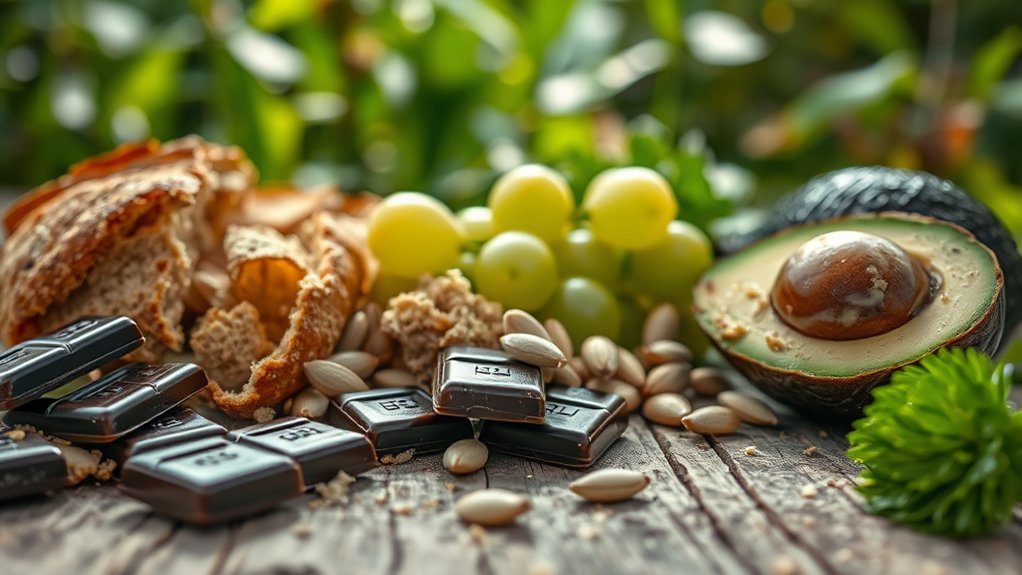
7 Foods You Should Never Feed Wild Birds
Feeding wild birds can be enjoyable, but it's crucial to know which foods are dangerous. Some foods, like avocados and chocolate, contain toxins that can harm birds. Common items like bread and onions can also upset their digestion. Knowing what to avoid helps keep birds safe and healthy.
Here are seven foods you should never feed wild birds:
- Avocados – They contain persin, which is toxic to birds.
- Chocolate – This sweet treat can cause serious health issues.
- Bread – It offers little nutrition and can lead to digestive problems.
- Onions – These can damage a bird's red blood cells.
- Caffeine – Found in coffee and tea, it can be harmful.
- Salt – Too much salt can lead to dehydration and kidney issues.
- Processed foods – These often contain unhealthy additives.
Instead of these harmful options, offer seeds, fruits, nuts, and vegetables. These foods provide the nutrients birds need to thrive. By choosing the right foods, you can help support the well-being of wild birds.
Key Takeaways
- Avocado: This fruit contains persin, which is toxic to many bird species. It can cause serious health problems or even lead to death.
- Chocolate: Dark chocolate contains theobromine, a toxin for birds. It can cause seizures and restlessness.
- Caffeine: Caffeine harms wild birds by increasing their heart rates and causing severe behavior changes. This can lead to death.
- Bread: Bread lacks essential nutrients. Feeding it to birds can cause malnutrition or stomach swelling.
- Onions and Garlic: These foods have harmful compounds that damage red blood cells. This can lead to lethargy and long-term health issues in birds.
Avoid feeding these foods to wild birds to help keep them safe and healthy.
Avocado

Avocados are popular for their creamy texture and health benefits, but they can harm wild birds. The fruit contains persin, a compound that varies in toxicity for different bird species.
While some birds can handle it, others may experience serious health issues like respiratory distress, heart problems, or even death from avocado consumption.
If you love birds, don't feed them avocados. Even small amounts can be dangerous.
Instead, offer safe food alternatives. By doing this, you help protect birds and maintain healthy ecosystems. Your actions can support the well-being of the bird community.
Chocolate
Like avocados, chocolate can harm wild birds. Dark chocolate is especially risky due to theobromine, a compound that birds process slowly. This slow metabolism can cause toxic levels to build up in their systems, leading to serious health issues.
Birds may experience symptoms like a fast heart rate, restlessness, and even seizures. Because birds don't have the enzymes needed to break down these substances effectively, even small amounts of chocolate can be unsafe.
To keep birds healthy, avoid giving them chocolate in any form. Instead, offer safe and nutritious options like seeds, fruits, and insects.
Understanding which foods to avoid is vital for protecting our feathered friends. Your choices can have a positive impact!
Caffeine

Caffeine is harmful to wild birds. While humans enjoy coffee for its energy boost, birds react differently to caffeine. They're more sensitive to its effects.
Even tiny amounts can cause health problems, like faster heart rates and restlessness. In severe cases, caffeine can lead to death.
Caffeine disrupts birds' natural behaviors. It affects their feeding, nesting, and migration.
To protect local wildlife, avoid offering caffeinated products to wild birds. Instead, provide a balanced diet that helps them stay healthy and thrive in your area.
Bread
Many people think bread is safe for wild birds, but it isn't suitable for their diet.
Bread lacks essential nutrients that birds need. Feeding bread can cause malnutrition because it offers only empty calories. Additionally, bread can swell in a bird's stomach, leading to discomfort or serious blockages. Even stale bread may trick birds into thinking it's good for them.
Instead, give them seeds, nuts, and fruits, which better support their health. By making these choices, you help local bird populations thrive in their environments and promote their well-being.
Choose wisely for your feathered friends.
Onions and Garlic

Onions and garlic are common foods that can harm wild birds. These items contain substances that can damage their red blood cells and cause anemia. Many bird species instinctively avoid these foods due to a natural dislike for garlic.
Even small quantities can lead to lethargy, weakness, and digestive problems. Over time, the chemicals in onions and garlic can create serious health issues for birds.
To help protect our feathered friends, avoid offering these foods. Instead, provide them with high-quality birdseed and fresh fruits.
This ensures their diet is safe and healthy. By making these choices, we can support the well-being of birds in our environment.
Salt
Salt is a common seasoning, but it can harm wild birds. Birds have a low tolerance for sodium. High salt intake can cause sodium toxicity.
Here are key points to consider when feeding birds:
- Low Sodium Tolerance: Birds can't handle high sodium levels in their diet.
- Changed Feeding Habits: Salty foods can change their natural food choices and lead to unhealthy eating.
- Health Issues: Symptoms of sodium toxicity include dehydration, increased thirst, and potential organ failure.
Avoid feeding birds salty foods to protect their health.
Dairy Products
Offering birds a variety of foods may seem harmless, but you should avoid dairy products. Many birds can't digest lactose, which is found in milk and cheese. Feeding them these items can cause digestive problems and nutritional imbalances, harming their health.
While calcium is crucial for strong bones and eggshells, dairy isn't a suitable source for birds. Instead, you can provide safe alternatives like crushed oyster shells or leafy greens.
These options deliver necessary calcium without the risks associated with dairy. By being careful about what you feed birds, you help them stay healthy in their natural environment.
Frequently Asked Questions
Can Wild Birds Eat Citrus Fruits Like Oranges or Lemons?
Wild birds can eat citrus fruits like oranges and lemons. However, some birds may prefer not to eat them. While citrus fruits are generally not toxic to birds, some may avoid them due to taste or possible digestive issues. It is important to observe how different birds react to these fruits.
Are There Safe Alternatives to Bread for Feeding Birds?
Yes, there are safe alternatives to bread for feeding birds. You can offer grains like oats or quinoa. Dried fruits and apple slices are also good choices. These options attract birds and provide them with essential nutrients.
How Can I Tell if a Food Is Toxic to Birds?
To identify toxic foods for birds, research their dietary needs and refer to reliable sources. Common toxic foods include chocolate, caffeine, avocado, and certain seeds like apple seeds. Watch for signs of toxicity in birds, such as changes in behavior, lethargy, or digestive issues. Consulting a veterinarian is wise if you notice these symptoms. Understanding these factors helps you care for birds safely and keeps them healthy.
Is It Okay to Offer Seeds to Wild Birds?
Yes, it is good to offer seeds to wild birds. Choose suitable seed types for them. A balanced diet helps birds stay healthy. They need essential vitamins and minerals to thrive in their natural habitat.
What Are the Consequences of Feeding Birds Harmful Foods?
Feeding birds harmful foods can cause serious problems, especially for their digestion. Bad ingredients can upset their stomachs and lead to nutrition issues. This may make them more likely to get sick. Overall, giving birds harmful food can hurt their health and survival in the wild. It's important to feed them safe foods to keep them healthy and thriving.

Kashvi is a passionate bird enthusiast and nature lover who has been fascinated by the world of birds for years. With a keen eye for detail and a love for learning, Kashvi is dedicated to sharing her knowledge and insights with fellow bird enthusiasts on Avian Enthusiasts. Through her engaging and informative articles, Kashvi aims to inspire others to join her in exploring the fascinating world of birds and to promote a deeper appreciation for these incredible creatures.


