Illinois Black Birds: Urban and Rural Sightings
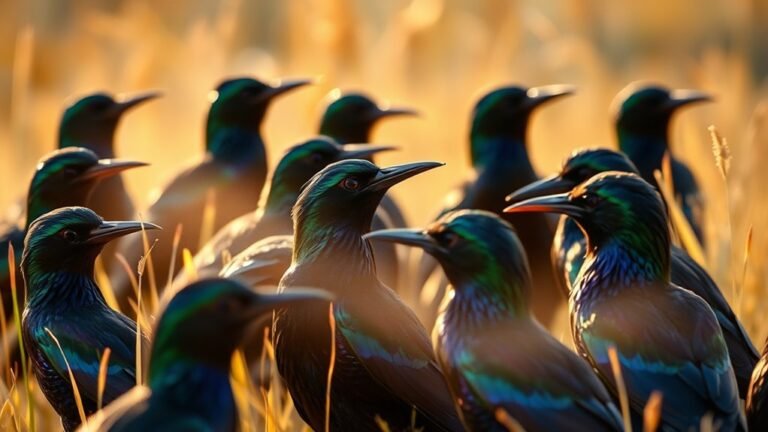
In Illinois, blackbirds show strong adaptability to various environments. In urban areas, you can find American Crows and European Starlings. In rural areas, Red-winged Blackbirds and Common Grackles are more common. These birds occupy different habitats and behave uniquely based on their surroundings.
Consider how urban development affects their populations and what this means for local ecosystems. The relationship between these birds and their environments raises important questions about conservation efforts. Exploring these aspects can offer insight into the impact of human activity on wildlife. Enjoy learning about these fascinating birds and their roles in our ecosystems.
Key Takeaways
Urban areas in Illinois host American Crows, Common Grackles, and European Starlings. These birds thrive in parks and gardens. In rural regions, you can find Red-winged Blackbirds and Common Grackles near wetlands and farmland.
Blackbirds contribute to the ecosystem by controlling pests and dispersing seeds. Observing how they build nests and care for their young can deepen your appreciation for them in their habitats.
Conserving their habitats is vital for sustaining blackbird populations and promoting biodiversity in both urban and rural communities.
Overview of Illinois Black Birds
Illinois hosts a variety of black birds that are vital to its ecosystems. These birds inhabit forests, wetlands, and grasslands, playing key roles in seed dispersal and pest control.
For example, the common grackle and red-winged blackbird help indicate ecological health and promote biodiversity through their interactions with other species. Recognizing the importance of these birds allows you to understand their contribution to local habitats.
Common Species Found in Urban Areas
Urban areas in Illinois host several black bird species that adapt well to city life. The American Crow, Common Grackle, and European Starling are common in these environments. They inhabit parks, parking lots, and urban gardens, showcasing their ability to thrive alongside human activity.
Foraging is important for these birds. They find food sources like discarded scraps and seeds from native plants.
Observing these black birds enriches the urban landscape. They display fascinating behaviors that can deepen your connection to nature. Engaging with these species enhances your sense of belonging in the community.
Common Species Found in Rural Areas
In rural Illinois, blackbird species play crucial roles in the ecosystem. The Red-winged Blackbird and the Common Grackle are two of the most common.
The Red-winged Blackbird often sits near wetlands or fields and defends its territory with loud calls. The Common Grackle thrives in open agricultural areas and searches for insects and grains.
Both species help control pests and disperse seeds, contributing to the health of their habitats. Observing these birds enhances your appreciation for nature and connects you to the environment.
Distinguishing Features of Black Birds
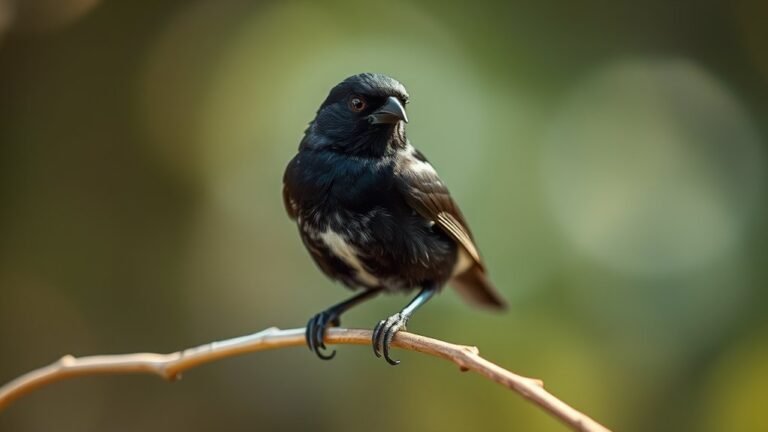
Blackbirds are easy to recognize due to their unique features and behaviors. Males often have glossy black feathers, while females display more muted tones. To tell them apart, observe their size, shape, and wing patterns.
Listen to their calls as well; for example, the Red-winged Blackbird has a sharp "conk-la-ree" call, which differs from the softer sounds of the Common Grackle. By noting these traits, you can deepen your connection with your surroundings and appreciate the variety of blackbirds in Illinois, both in cities and rural areas.
Their distinct appearances and sounds make them memorable parts of local wildlife.
Feeding Habits and Diet
Blackbirds in Illinois exhibit varied feeding habits based on their species and environment. Different birds use different foraging methods suited to their surroundings. For example, American crows often search for food in urban areas, while Rusty blackbirds look for insects and seeds in wetlands.
Their diets change with the seasons, showing their ability to adapt. In rural areas, you may see them foraging in crops, while in cities, they often feed in picnic spots. This flexibility highlights their resourcefulness.
Understanding these feeding habits connects you to others who appreciate the details of nature.
Nesting and Reproduction
Blackbirds have interesting nesting and reproduction habits.
During the breeding season, blackbirds establish territories to attract mates. They build nests in dense vegetation, which protects their eggs and young birds.
After laying eggs, both parents take part in caring for their chicks. They provide food and keep them safe. This teamwork helps the chicks grow quickly, and they usually leave the nest within a few weeks.
Watching how blackbirds care for their young can increase your appreciation for them. Understanding their nesting and reproduction can also inspire you to support wildlife conservation efforts.
Seasonal Migration Patterns
As the seasons change, blackbirds migrate to adapt to different environmental conditions.
These migrations happen mainly due to temperature changes, food supply, and daylight hours. You can often see these birds following specific migratory paths that align with natural landmarks like rivers or mountains, which help them travel efficiently.
In Illinois, blackbirds migrate to warmer areas in winter to find food.
Importance of Habitat Conservation
Habitat conservation is crucial for maintaining healthy ecosystems for blackbirds in Illinois. By preserving their habitats, you protect these birds and support the balance necessary for various plant and animal species.
Healthy habitats offer food and nesting sites, enabling blackbird populations to grow. Protecting habitats also promotes biodiversity, which is essential for strong ecosystems.
By understanding the importance of these habitats, you can support practices that keep them safe. Joining local conservation groups helps strengthen your connection to nature and builds a community that cares about wildlife.
Your efforts can significantly contribute to habitat preservation for blackbirds in Illinois, benefiting both current and future generations.
Impact of Urbanization on Black Bird Populations
Urbanization presents significant challenges for blackbird populations in Illinois. As cities grow, natural habitats are replaced by urban areas. This change affects the number and behavior of blackbirds.
These birds often find it hard to adapt to high noise levels, pollution, and scattered green spaces. Urban environments may not provide enough nesting and foraging resources, pushing blackbirds to the edges of their range or causing them to compete with other species.
Human activities can disrupt blackbird breeding, leading to fewer birds in some locations. However, some blackbirds adapt to city life, showing their ability to thrive in new settings.
Understanding these changes is crucial for creating sustainable habitats that support both blackbirds and local communities in Illinois. By finding a balance, we can ensure that these birds have a place to live and flourish alongside urban development.
Birdwatching Tips for Spotting Black Birds
To improve your chances of spotting blackbirds, it's important to know their behavior and where they like to live. Here are some tips to help you enjoy birdwatching:
- Pick the Best Time: Go birdwatching in the early morning or late afternoon. Blackbirds are most active during these times.
- Use Quality Gear: Get a good pair of binoculars and a field guide for blackbirds. This will help you see and identify them better.
- Find Their Habitats: Look for blackbirds in wetlands, fields, and urban parks. These are common places where they search for food and build their nests.
By following these tips, you'll have a more rewarding birdwatching experience while spotting blackbirds.
Happy birdwatching!
Resources for Further Exploration
Exploring blackbirds in Illinois can be made easier with helpful resources for bird lovers. Start by using birding apps like Merlin Bird ID or eBird. These apps let you track your sightings and see updates from other birdwatchers. They create a community for those who enjoy watching birds.
Look for regional guides that focus on Illinois' different environments. These guides offer useful information about where blackbirds like to live and their seasonal habits.
Joining local birding clubs can also be beneficial. These clubs often organize outings and workshops where you can learn more and meet others who share your interest.
Using these resources will improve your birdwatching experience and connect you with fellow enthusiasts. Enjoy your time observing these fascinating birds!
Frequently Asked Questions
How Can I Attract Black Birds to My Backyard?
To attract black birds to your backyard, place bird feeders with seeds they like. Make sure to have clean water sources nearby. This will create a friendly space that encourages them to visit often. Enjoy watching these beautiful birds as they come to feed and drink in your yard.
What Are the Best Times to Spot Black Birds?
To spot blackbirds, look for them during their breeding seasons, which are usually in spring and early summer. They are most active in the early morning and late afternoon when they search for food. Observing during these times will improve your chances of seeing these birds.
Do Black Birds Migrate Alone or in Flocks?
Black birds migrate in flocks. They show strong flock behavior that helps them stay safe and travel efficiently. Watching their synchronized movements is beautiful. Seeing them together highlights the collective journey they share.
Are There Any Threats to Black Bird Populations?
Black birds face significant threats. Habitat loss and climate change are two main issues. These factors reduce their nesting areas and food sources. As a result, black birds must adapt. This adaptation can lead to declining populations and affect ecosystems. Protecting their habitats and addressing climate change are essential steps to help black bird populations thrive.
How Can I Help Conserve Black Bird Habitats?
You can conserve black bird habitats by taking action in your community. Join local projects that restore natural areas. Plant native plants that support wildlife. Teach others about the importance of healthy ecosystems. Your involvement makes a difference for these birds and their homes.

Kashvi is a passionate bird enthusiast and nature lover who has been fascinated by the world of birds for years. With a keen eye for detail and a love for learning, Kashvi is dedicated to sharing her knowledge and insights with fellow bird enthusiasts on Avian Enthusiasts. Through her engaging and informative articles, Kashvi aims to inspire others to join her in exploring the fascinating world of birds and to promote a deeper appreciation for these incredible creatures.