Merlin Bird ID Smart Device Integration Review
Bird watching has entered the digital age. Your smartphone can now identify birds faster than any field guide. The Merlin Bird ID app transforms how we connect with nature. This free app from Cornell Lab of Ornithology brings professional birding tools to your pocket.
Whether you hear a mysterious song in your backyard or spot an unfamiliar silhouette in the trees, Merlin provides instant answers. This comprehensive review explores how Merlin integrates with your smart devices to create a seamless bird identification experience.

Key Takeaways
Understanding Merlin Bird ID’s Smart Integration:
- Free and powerful – The app costs nothing and identifies over 10,000 bird species worldwide through photos, sounds, and guided questions
- Real time sound recognition – Sound ID feature listens to your environment and displays live suggestions as birds sing around you
- Works offline – Download regional bird packs to identify species without internet connection, perfect for remote locations
- eBird integration – Your life list syncs between Merlin and eBird, creating a unified tracking system for all observations
- Cross platform compatibility – Available on iOS devices running 17.6 or later and Android devices with version 7 or newer
- Smart device accessories enhance experience – Pairing with external microphones, binoculars with smartphone adapters, and smart bird feeders creates a complete birding ecosystem
What Makes Merlin Bird ID a Smart Device Integration Leader
Merlin Bird ID represents cutting edge technology in wildlife identification. The Cornell Lab of Ornithology developed this app using machine learning powered by millions of observations from the eBird database. This isn’t just another bird guide. The app actively learns from the world’s largest collection of bird sightings, sounds, and photos.
The integration capabilities set Merlin apart. Your phone becomes a sophisticated identification tool that works with various smart accessories. The app uses your device’s GPS, camera, and microphone to create accurate identifications. Each component works together to deliver results that would have seemed impossible just a few years ago.
The technology runs on advanced AI algorithms called Visipedia. These systems analyze images and sounds to match them against vast databases. When you take a photo of a bird, the app examines colors, patterns, and body shapes. When you record a song, it identifies the unique acoustic signature. This dual identification approach gives you flexibility in the field.
Sound ID Feature: Real Time Bird Recognition Technology
The Sound ID feature revolutionizes bird watching. Press the button and watch your screen come alive with real time suggestions. As birds sing around you, their names appear instantly. This feature works like audio magic, displaying multiple species simultaneously as they vocalize.
The technology behind Sound ID uses spectral analysis to identify bird calls. The app breaks down sounds into their component frequencies. It compares these patterns against millions of recordings in the Macaulay Library. The system works remarkably well even in noisy environments with multiple birds singing at once.
Users report impressive accuracy with common species. The app excels at identifying local birds in your region. However, accuracy depends on several factors. Clear recordings work better than distant or muffled sounds. The app performs best when you’ve downloaded the appropriate bird pack for your location.
Sound ID works completely offline after you download regional packs. This feature proves invaluable during camping trips or visits to remote wildlife areas. The app stores all necessary data locally on your device. You can identify birds in areas with zero cell service.
Photo ID: Smart Camera Integration Explained
Photo ID transforms casual bird photos into identification opportunities. The system analyzes uploaded images to suggest possible species. You can take photos directly through the app or upload existing pictures from your gallery.
The computer vision technology examines multiple characteristics. It looks at color patterns, body shape, beak structure, and relative proportions. The app compares these features against its comprehensive database. Within seconds, you receive a list of possible matches ranked by likelihood.
Best practices improve accuracy. Take photos with good lighting and sharp focus. Try to capture the bird from the side showing distinctive markings. The app works better with clear, unobstructed views. However, even partially obscured birds often get identified correctly.
The integration with your smartphone camera makes spontaneous identification possible. You don’t need expensive camera equipment. Your phone’s camera provides sufficient quality for most identifications. The app even works with older phone models, though newer cameras produce better results.
Device Compatibility: iOS and Android Integration
Merlin runs on modern iOS and Android devices. iPhone users need iOS 17.6 or later for the current version. This requirement ensures the app can access advanced device features. Most iPhones from recent years meet this specification.
Android users need version 7 or newer. This broader compatibility means the app works on a wide range of Android devices. Both phone and tablet versions function identically. The app also runs on M1 and M2 equipped Apple computers.
The installation process takes minutes. Download from the App Store or Google Play. The base app requires minimal storage space. However, bird packs add significant data. A single regional pack can consume 200 to 500 megabytes. Plan your storage accordingly if you travel frequently.
System performance matters. Older devices may experience slower processing times during sound analysis. The app performs CPU intensive calculations when identifying birds. Newer phones with faster processors deliver smoother experiences. However, even budget smartphones run Merlin acceptably.
Offline Mode and Storage Management
Offline functionality sets Merlin apart from competitors. The My Offline Birds feature lets you download entire regions. Once downloaded, these packs contain all information needed for identification. Photos, sounds, range maps, and identification tips all work without internet.
Storage becomes a consideration with multiple packs. Each pack includes thousands of bird photos and sound recordings. A comprehensive North American pack might use 400 to 500 megabytes. Serious birders traveling internationally may need several gigabytes of storage.
The app offers smart storage management tools. You can delete packs when you no longer need them. The interface shows exactly how much space each pack consumes. Some users download packs before trips and delete them afterward. This rotating approach minimizes permanent storage usage.
Six recent locations get saved automatically. When you use Sound ID or Photo ID, Merlin remembers your location. This feature helps if you forget to manually set your location. The app can still identify birds based on these saved spots even offline.
eBird Integration: Unified Life List Management
Merlin syncs seamlessly with eBird. Your observations flow between both platforms. When you save a bird to your Merlin life list, it appears in eBird. This integration creates a unified record of your birding experiences.
The connection requires using your eBird password to log into Merlin. Simply matching email addresses isn’t sufficient. Once properly connected, a blue checkmark appears next to species you’ve already observed. This visual indicator prevents duplicate entries and shows your progress.
Important limitations exist. Merlin Sound ID suggestions don’t automatically transfer to eBird. The app provides suggestions, not confirmed identifications. You must manually verify each species before recording it in eBird. This requirement maintains data quality in the global database.
The integration enhances both platforms. eBird provides robust tools for creating detailed checklists. Merlin excels at quick identification in the field. Using both apps together creates a complete birding workflow. Identify with Merlin, then submit detailed observations to eBird.
Top 3 Alternatives for Bird Identification Apps
While Merlin Bird ID dominates the market, several alternatives deserve consideration. Each offers unique features that might better suit specific needs.

- Monitor the inside of your home day and night with our 1080P HD indoor plug-in smart security camera with motion detection and two-way audio.
- See, hear, and speak to people and pets in your home from your smartphone with Blink Mini’s live view and two-way audio.
- Get alerts on your smartphone whenever motion is detected or customize motion detection zones so you can see what matters most.
The Audubon Bird Guide provides comprehensive North American coverage. This app includes detailed species accounts and beautiful illustrations. The interface feels more traditional, resembling classic field guides. Some users prefer this familiar layout over Merlin’s modern design.
No products found.
BirdNET offers similar sound identification capabilities. Developed by Cornell Lab and Chemnitz University of Technology, it analyzes bird sounds using neural networks. The app works globally and saves your recordings. Some birders use both BirdNET and Merlin for comparison.
No products found.
The Sibley eGuide to Birds contains David Sibley’s renowned illustrations. This paid app provides unmatched visual detail for North American species. The guide includes multiple plumage variations and detailed range maps. Serious birders often keep Sibley alongside Merlin for reference.
Smart Accessories That Enhance Merlin Performance
External accessories dramatically improve your Merlin experience. A quality external microphone captures clearer bird sounds. The Rode VideoMic series works excellently with smartphones. These directional microphones reduce background noise and focus on bird vocalizations.
Binoculars with smartphone adapters let you photograph distant birds. These adapters attach your phone to the binocular eyepiece. You can capture detailed images of birds that would appear tiny in phone photos. The combination of magnification and Merlin’s Photo ID creates powerful identification capability.
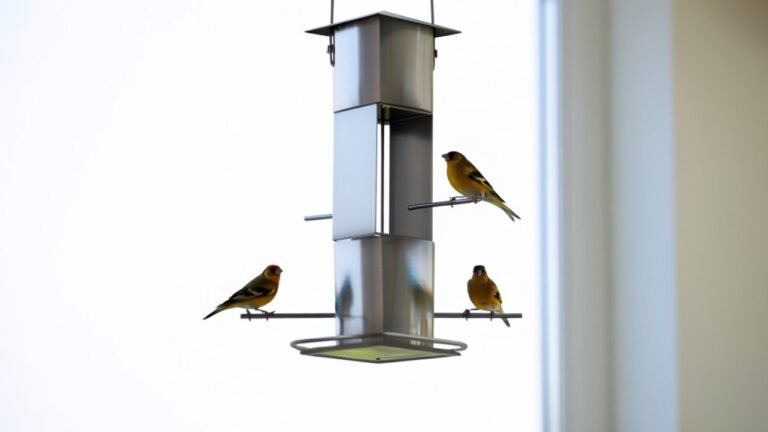
Smart bird feeders with integrated cameras complement Merlin perfectly. Products like Bird Buddy capture photos automatically when birds visit. You can upload these images to Merlin for identification. This passive monitoring approach documents birds even when you’re not watching.
Parabolic microphones extend your listening range significantly. These specialized devices amplify distant bird sounds. While expensive, they prove invaluable for serious bird surveyors. The captured audio works perfectly with Merlin’s Sound ID feature.
Battery Life Considerations for Field Use
Sound ID consumes significant battery power. The feature constantly processes audio while active. Extended recording sessions can drain your phone quickly. Smart birders carry portable power banks during long field trips.
The app runs more efficiently with downloaded bird packs. Offline mode eliminates cellular data usage. This conservation extends both battery life and data plans. Download packs on WiFi before heading into the field.
Airplane mode extends battery life considerably. Turn off cellular and WiFi when using Merlin offline. The app still accesses GPS for location services. This setting can double your effective field time on a single charge.
Background apps drain power unnecessarily. Close unused applications before serious birding sessions. Reduce screen brightness to comfortable levels. These simple steps maximize your identification time in the field.
Privacy and Data Collection Practices
Merlin collects minimal personal data. The app requests location access for accurate bird suggestions. Camera and microphone permissions enable the identification features. Cornell Lab maintains transparent privacy policies regarding data usage.
Your recordings and observations remain private unless you choose to share them. The app doesn’t automatically upload your data. You control what gets shared with eBird. This privacy focus appeals to users concerned about data collection.
The app uses anonymous usage statistics to improve performance. These metrics help developers understand which features get used most. Cornell Lab doesn’t sell user data to third parties. The nonprofit mission prioritizes science over commercial interests.
Learning Tools and Educational Resources
Merlin includes comprehensive species information. Each bird page contains photos, sounds, identification tips, and range maps. The content comes from expert ornithologists. These resources help you learn bird identification beyond simple app dependence.
The app teaches bird song recognition naturally. As you use Sound ID, you associate visual names with actual sounds. This repeated exposure builds your auditory identification skills. Many users report improved field skills after regular Merlin use.
Explore Birds feature lets you browse species by region. This browsing builds familiarity with local birds before encounters. You can study expected species for upcoming trips. The preparation increases successful identifications in new areas.
The integration with Birds of the World provides deeper information. This subscription service offers extensive species accounts. While separate from Merlin, the complementary content enhances your knowledge. Serious students of birds appreciate this comprehensive approach.
Regional Coverage and Global Availability
Merlin covers over 10,000 species worldwide. The app includes birds from every continent except Antarctica. Coverage varies by region. North America and Europe have the most comprehensive data. Developing region coverage improves continuously.
Each region has dedicated bird packs. These packs contain locally relevant species. You download only the regions you need. This targeted approach prevents unnecessary storage usage. The system works efficiently for both local birders and international travelers.
Rare and vagrant species receive limited coverage in some areas. The app focuses on regularly occurring birds. Unusual sightings may not appear in identification results. Experienced birders supplement Merlin with specialized resources for rarities.
The community contributes millions of observations annually. This crowdsourced data improves coverage globally. As more birders use eBird and Merlin, underrepresented regions gain better information. The system creates a positive feedback loop benefiting everyone.
Troubleshooting Common Integration Issues
Sound ID not detecting birds frustrates new users occasionally. Ensure you’ve downloaded the correct regional pack. Verify your location settings allow GPS access. The app needs accurate location to suggest appropriate species. Try adjusting your microphone position relative to singing birds.
Photo ID returns incorrect suggestions sometimes. This happens with poor quality images or unusual angles. Take multiple photos from different perspectives. Ensure adequate lighting and focus. The app works better with clear, well lit subjects.
Storage warnings appear when device memory fills up. Delete unused bird packs to free space. Remove old Sound ID recordings you no longer need. The app provides tools to manage these files. Regular maintenance prevents storage issues.
Sync problems between Merlin and eBird usually involve login credentials. Log out completely and sign back in using your eBird password specifically. Ensure you’re using the same email address for both services. Contact Cornell Lab support if problems persist.
Performance in Different Environments
Urban environments present unique challenges. Background noise from traffic and construction interferes with Sound ID. The app struggles to isolate bird sounds in very loud settings. Early morning sessions before human activity work better in cities.
Forest environments provide excellent conditions. Multiple birds singing simultaneously test the app’s capabilities. Merlin handles these complex acoustic environments remarkably well. Dense foliage may obscure visual identifications but sound works perfectly.
Open habitats like grasslands suit Photo ID well. Clear views of birds make visual identification straightforward. However, birds often remain distant in these environments. Binoculars become essential accessories in open country.
Wetland environments host diverse bird communities. Water sounds provide ambient noise that doesn’t significantly interfere with bird detection. These areas often yield excellent results with both Sound ID and Photo ID features.
Cost Analysis and Value Proposition
Merlin remains completely free with no subscriptions or in app purchases. Cornell Lab operates it as a public service. This pricing makes professional grade bird identification accessible to everyone. The value proposition seems almost too good to be true.
Free updates arrive regularly with new features and species. The development team actively improves the app based on user feedback. You benefit from ongoing enhancements without additional costs. This commitment to free access democratizes bird watching.
Optional donations support Cornell Lab’s work. The app occasionally displays requests for contributions. These donations fund research, conservation, and app development. Supporting the organization helps ensure Merlin’s continued availability.
The alternative cost of traditional field guides adds up quickly. Comprehensive guides cost $20 to $40 each. Multiple regional guides become necessary for travelers. Merlin replaces hundreds of dollars in printed references. The free app delivers superior functionality at zero cost.
Future Development and Upcoming Features
Cornell Lab continues expanding global coverage. New regions get added regularly. The development team works to include underrepresented areas. Future updates will bring comprehensive coverage to currently limited regions.
Artificial intelligence improvements arrive with each update. The machine learning models become more accurate over time. More training data creates better identifications. The system learns from millions of user interactions.
Enhanced integration capabilities remain under development. Cornell Lab explores connections with additional smart devices. Future versions might work seamlessly with dedicated recording equipment. The possibilities for smart home integration seem promising.
Community requested features influence the development roadmap. Users suggest improvements through feedback channels. Popular requests often appear in subsequent updates. This responsive development approach keeps Merlin relevant and useful.
Frequently Asked Questions
Does Merlin Bird ID work without internet connection?
Yes, Merlin works completely offline after you download regional bird packs. The My Offline Birds feature lets you download all necessary data for specific regions. These packs include photos, sounds, range maps, and identification information. You need internet only for initial downloads. Once installed, all identification features function without any connection. This offline capability makes Merlin perfect for remote locations.
How accurate is Merlin’s Sound ID feature?
Merlin’s Sound ID performs remarkably well with common species in their expected ranges. Accuracy depends on recording quality, background noise levels, and whether you’ve downloaded the correct regional pack. The app excels at identifying multiple birds singing simultaneously. However, it sometimes suggests species outside their normal range. Always verify identifications, especially for rare or unexpected birds.
Can I use Merlin on multiple devices?
Yes, you can install Merlin on multiple devices using the same eBird account. Your life list syncs across all devices when you log in with your eBird credentials. However, downloaded bird packs don’t sync automatically. You’ll need to download packs separately on each device. Sound recordings and saved birds remain device specific unless manually transferred.
Why does Merlin take up so much storage space?
Bird packs contain thousands of high quality photos and sound recordings for each species. A single regional pack often requires 300 to 500 megabytes. The comprehensive data enables offline functionality. You can manage storage by deleting packs you no longer need. Only download regions you actively bird. Remove old sound recordings periodically to free additional space.
Does Merlin drain my phone battery quickly?
Sound ID uses significant battery power because it continuously processes audio. Photo ID and general browsing consume much less energy. Enable airplane mode when using Merlin offline to extend battery life. Carry a portable power bank for extended field sessions. Close unnecessary background apps before serious birding to maximize available power.
Can I contribute my observations to scientific databases?
Your Merlin observations save to your personal life list within the app. To contribute to scientific databases, submit checklists through eBird Mobile instead. Merlin and eBird integrate seamlessly. The Cornell Lab uses eBird data for research and conservation. Your contributions help scientists track bird populations and distributions globally.
How does Merlin compare to other bird identification apps?
Merlin stands out for its combination of free access, global coverage, and multiple identification methods. The Sound ID feature outperforms most competitors. The app’s machine learning continues improving through millions of user interactions. While some regional guides offer more detailed species accounts, Merlin provides unmatched versatility. Most serious birders use Merlin as their primary identification tool.
Does Merlin identify bird calls in videos?
Merlin cannot directly analyze audio from videos. However, you can use workarounds. Play the video on another device while Merlin’s Sound ID listens. Alternatively, extract and save the audio separately, then upload it to Merlin for analysis. Some users email recordings to themselves and save them before analysis. These methods work reasonably well for video based identifications.

Kashvi is a passionate bird enthusiast and nature lover who has been fascinated by the world of birds for years. With a keen eye for detail and a love for learning, Kashvi is dedicated to sharing her knowledge and insights with fellow bird enthusiasts on Avian Enthusiasts. Through her engaging and informative articles, Kashvi aims to inspire others to join her in exploring the fascinating world of birds and to promote a deeper appreciation for these incredible creatures.