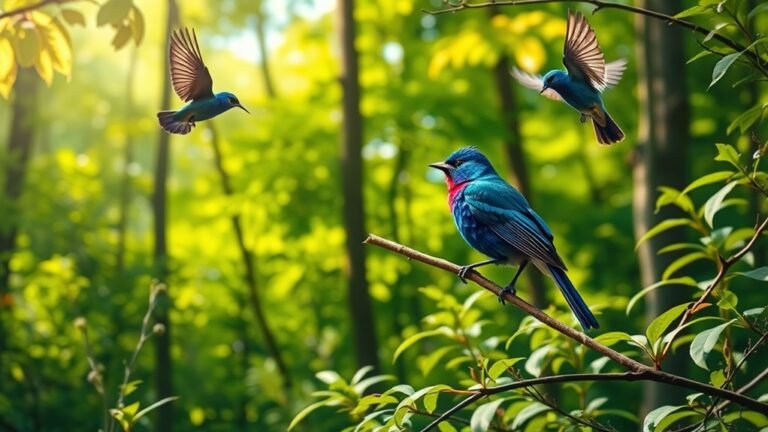
Ohio Blue Birds: Complete Species Guide 2026
The Eastern Bluebird in Ohio is a vibrant bird known for its bright colors. It plays a key role in the ecosystem. Bluebirds build their nests in tree cavities or man-made boxes. They primarily eat insects and fruits, which helps control pest populations and aid plant growth.
Unfortunately, habitat loss and climate change threaten their survival. These challenges affect their nesting sites and food availability. Protecting bluebirds requires understanding these issues. Additionally, factors such as pollution, predators, and competition for nesting sites also influence their future.
By recognizing these factors, we can support bluebird conservation efforts and ensure this beautiful species continues to thrive. Learning more about their behaviors and needs can lead to effective protection strategies. Your interest in their story can help raise awareness and drive positive change.
Key Takeaways
Eastern Bluebirds are joyful symbols of Ohio. They help control pests and show a balanced habitat. Males have bright blue feathers with rust-colored chests. Females have more muted colors for camouflage.
These birds prefer open spaces for nesting. They use natural cavities and man-made birdhouses for protection and sunlight.
Their diet mainly consists of insects during warm months. In fall and winter, they switch to berries to adapt to seasonal changes.
Conservation efforts focus on preserving habitats and educating the public. These measures aim to address challenges like climate change and urbanization.
Witnessing Eastern Bluebirds in Ohio brings joy and a connection to nature. Their presence shows a healthy ecosystem.
Overview of Ohio Bluebirds

Many people see the Eastern Bluebird as a joyful symbol. In Ohio, these birds play an essential role in their ecosystems. They migrate south in late summer.
During spring breeding season, male bluebirds create territories to attract females. They do this with bright colors and beautiful calls. This courtship is crucial for their reproduction.
Bluebirds help control pest populations. They eat insects, which supports healthy agriculture. Their presence shows that the habitat is balanced.
This encourages us to think about how all parts of nature connect. Learning these facts can enhance your understanding of Ohio's wildlife and motivate you to support conservation efforts.
Identification and Characteristics
Identifying Ohio's bluebirds is easy and rewarding. The Eastern Bluebird has bright blue feathers and a rust-colored chest.
Female bluebirds are more muted in color, with browns and grays. You can tell them apart from other birds by their unique song, which consists of soft, pleasant notes.
Male bluebirds are often brighter during mating season, making them easier to spot.
Observing bluebirds in their natural environment helps you connect with nature and enjoy learning about their behaviors and traits.
Habitat and Nesting Preferences

The Eastern Bluebird lives in open areas like meadows, pastures, and lightly wooded regions. These habitats provide plenty of room for foraging and nesting.
Bluebirds choose their nesting sites carefully. They prefer natural cavities or man-made birdhouses. A good nesting site offers protection from predators and gets plenty of sunlight.
Bluebirds tend to select lower elevations, which helps them find food easier. They like open spaces where they can see their surroundings clearly, allowing them to spot any threats.
Feeding Habits and Diet
Feeding habits are crucial for the survival of the Eastern Bluebird. These birds mainly eat insects and berries. They prefer insects like grasshoppers, crickets, and beetles, which are important for their growth and energy. During warm months, bluebirds actively hunt insects, showing their sharp eyesight and quick movements.
In fall and winter, their diet changes. They eat more berries, such as serviceberries, dogwood, and mulberries. This shift helps them survive in colder weather. Bluebirds' ability to adapt their diet based on seasons helps them thrive in Ohio's environments.
Understanding their feeding habits highlights the connection between bluebirds and their surroundings. This knowledge enhances your appreciation for their role in nature and the ecosystem.
Behavior and Social Structure

Eastern Bluebirds are often seen alone when searching for food, but their behavior shows they've a rich social life.
During breeding season, male bluebirds perform aerial displays to attract females. These displays are important as females choose their mates based on how impressive these performances are.
After young bluebirds leave the nest, families may forage together. Additionally, they sometimes gather in small groups for roosting during colder months.
Conservation Efforts and Challenges
Ohio's Eastern Bluebirds face challenges from habitat loss and climate change. Conservation efforts are vital for their survival. Habitat preservation initiatives play a key role.
Volunteers and organizations provide nesting boxes and maintain natural habitats. Urban growth reduces nesting sites and food sources for bluebirds.
Educating the public about native plants and sustainable gardening can help these birds. Participating in or supporting local conservation projects strengthens the ecosystem.
Each small action you take supports biodiversity. Engaging in these efforts fosters a sense of community and commitment to protecting Ohio's wildlife. Together, we can make a difference for the Eastern Bluebirds.
Frequently Asked Questions
How Can I Attract Bluebirds to My Backyard?
To attract bluebirds to your yard, place bluebird feeders with mealworms and install nesting boxes in open areas. Make sure the nesting boxes face away from strong winds and potential predators. This setup helps ensure the birds can nest safely and successfully in your backyard. Enjoy watching these beautiful creatures visit your space!
What Time of Year Do Bluebirds Migrate in Ohio?
Bluebirds migrate in Ohio from late February to early April. This migration happens as they follow their natural patterns each year. Knowing when they migrate can help you attract them to your backyard and enjoy their presence.
Are Bluebirds Territorial During Breeding Season?
Yes, bluebirds are very territorial during their breeding season. They protect their nesting areas from intruders, which helps keep their resources and young safe. This behavior reinforces their ownership of the territory.
How Long Do Bluebirds Typically Live?
Bluebirds usually live for 2 to 6 years. Some may live up to 10 years. Their lifespan depends on their nesting habits and their surroundings. Predators and changes in habitat can affect their chances of survival.
Do Bluebirds Feed Their Young After They Leave the Nest?
Yes, bluebirds care for their young after they leave the nest. The parents continue to feed their fledglings, providing the necessary nutrients for survival. This support is important during the early days as the young birds adjust to life outside the nest.

Kashvi is a passionate bird enthusiast and nature lover who has been fascinated by the world of birds for years. With a keen eye for detail and a love for learning, Kashvi is dedicated to sharing her knowledge and insights with fellow bird enthusiasts on Avian Enthusiasts. Through her engaging and informative articles, Kashvi aims to inspire others to join her in exploring the fascinating world of birds and to promote a deeper appreciation for these incredible creatures.