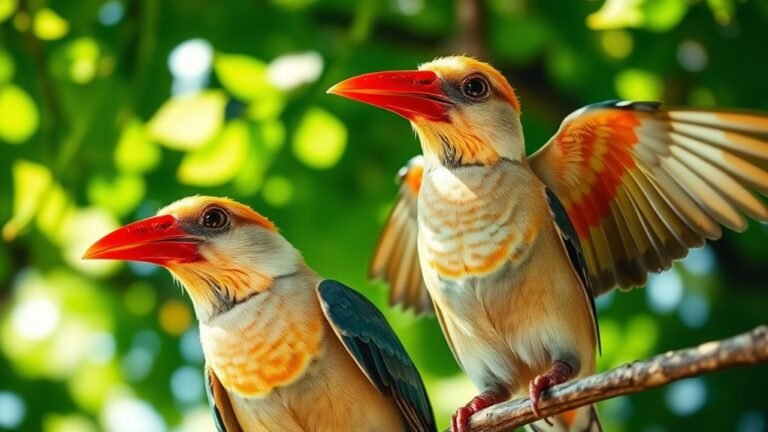
Small birds with long beaks have unique adaptations that help them feed and survive in their habitats. Each species has specific beak shapes that match their feeding habits, showing how their physical features connect with their roles in nature. These adaptations are key to understanding how they thrive and interact with their environments.
What specific traits set these birds apart? Their beak shape often reflects their diet, allowing for efficient feeding on nectar, insects, or seeds. For example, hummingbirds have long, slender beaks for reaching deep into flowers, while some species of finches have longer beaks suited for cracking seeds.
These traits influence their behavior and daily activities. Birds with longer beaks may spend more time searching for food in specific areas, developing skills that enhance their foraging efficiency. By observing these behaviors, we can learn about patterns in bird evolution and adaptation to different environments.