• Finches in Hawaii: Identification and Conservation

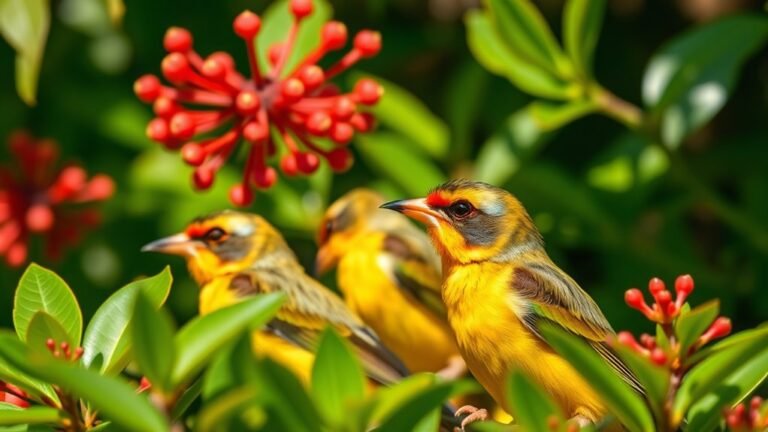
    Hawaiian finches, specifically honeycreepers, have unique adaptations that help them survive in Hawaii’s ecosystems. Identifying these species is important for understanding ecological principles. Their beak shapes are suited to their food sources, showcasing the connection between species and habitat. However, these birds face threats that endanger their survival. To protect Hawaiian finches, we need to understand these relationships better. What actions can we take to ensure their future?

  • Apple Cider Vinegar in Bird Baths: Benefits and Uses

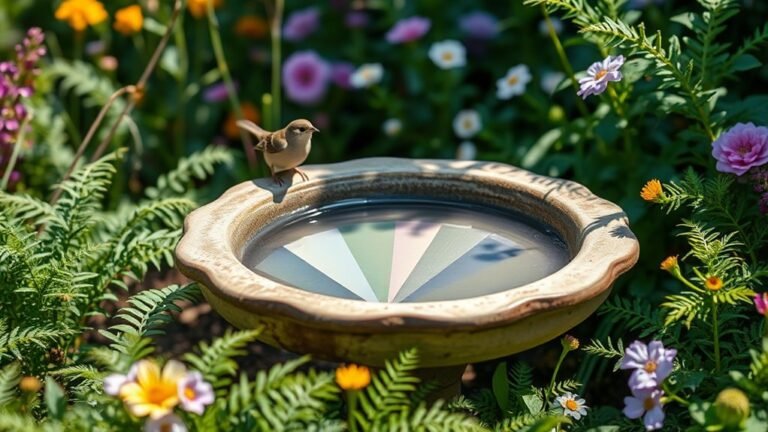
    Enhance the wellbeing of birds in your yard by using apple cider vinegar in your bird baths. This natural tool is a strong antiseptic, helping to reduce harmful bacteria and improve water quality for birds. To use it effectively, follow simple guidelines that benefit both the birds and your enjoyment of watching them. Implementing apple cider vinegar in your bird baths is an easy and rewarding practice.

  • Red-Headed Birds of Hawaii: Rare and Beautiful Species

    Hawaii’s red-headed birds, such as the Hawaiian Amakihi and ‘I’iwi, are crucial to their ecosystems, particularly in pollination. Their bright colors and unique features are captivating. However, they face threats from habitat loss and invasive species. It is essential to understand these birds and the challenges they face. To ensure their survival, we can take several steps. Protecting their habitats is vital. This includes creating conservation areas and restoring native plants. Reducing the impact of invasive species is also important. We can support programs that manage these species and promote public awareness about their effects. Engaging local communities in conservation efforts can foster a sense of responsibility. Educational initiatives can help people appreciate these birds and the roles they play. Every action counts in creating a safe environment for Hawaii’s red-headed birds.

  • Blue Bird With Red-Orange Chest: Identification and Facts

    When you see a blue bird with a red-orange chest, it is likely an Eastern Bluebird. Male Eastern Bluebirds have bright colors, while females have more muted tones. They mainly live in grasslands but can also adapt to various habitats. Their diet consists of insects and fruits, and they have interesting social behaviors during breeding. Learning about these aspects helps us understand how they interact with their environment. They have special features that help them survive in changing habitats, showing their unique connection with nature.

  • Black and White Birds in the UK: A Quick Identification Guide

    When you see black and white birds in the UK, it is helpful to know how to identify them. Birds like the Magpie and Pied Wagtail have distinct colors and behaviors. Observing them can deepen your understanding of their habitats and group behaviors. With simple identification tips, recognizing these birds can be both enjoyable and educational. What do these fascinating birds indicate about your local environment?

  • Hawks in Georgia: Identification and Behavior Guide

    Hawks in Georgia have clear traits and behaviors that stand out in the bird community. Identifying these raptors can improve your understanding of their skills and hunting methods. For example, you might see a Red-tailed Hawk soaring high or a Cooper’s Hawk in thick forests. Learning their features helps appreciate their role in nature. These birds face several challenges in their habitats. Habitat loss, food scarcity, and environmental changes affect their populations. Understanding these issues is important for conservation efforts. Observing hawks in Georgia can raise awareness about their needs and support their protection. Enjoying hawk watching not only connects you with nature but also helps in safeguarding these magnificent birds for future generations.

  • Ducks in Florida: Species and Conservation Insights

    Ducks in Florida include various species that live in different environments, like urban parks and wetlands. For example, the wood duck has special nesting behaviors that help it survive. However, these ducks face major threats, such as losing their habitats. Conservation efforts are essential to help protect these birds and their environments. Effective strategies include habitat restoration, protecting nesting sites, and public awareness campaigns. These efforts aim to ensure the future of Florida’s ducks is secure and their ecosystems thrive.

  • Safe Paints for Bird Baths: Eco-Friendly Options Explained

    Painting bird baths is important for the health of visiting birds. Choose non-toxic paints made from natural pigments and water-based solvents. This choice creates a colorful space while keeping wildlife safe. What makes a paint eco-friendly? Non-toxic and biodegradable ingredients are key factors. Avoid harmful chemicals that can affect birds and other wildlife. To keep your bird bath inviting, ensure the paint is fully dried before filling it with water. Regularly check your bird bath for any signs of wear and tear, and be ready to repaint as needed. This way, you can provide a safe and appealing oasis for local birds.

  • Herons and Egrets in Florida: Identification and Conservation

    In Florida’s wetlands, herons and egrets are common birds. You can identify them by their unique features. The Great Blue Heron stands tall with a long neck, while the Great Egret is known for its striking white feathers. These birds play important roles in their ecosystems, but they face many threats. Learning about their feeding habits and the conservation efforts in place can help us protect these beautiful birds and their habitats for the future.

  • Hummingbirds in Virginia: A Complete Species Guide

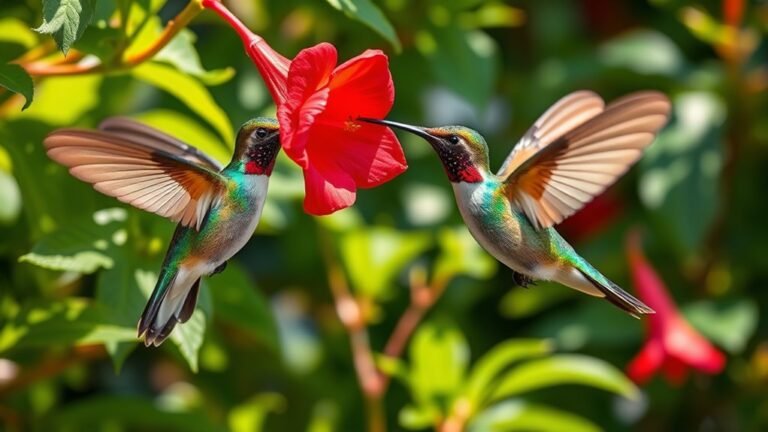
    Hummingbirds in Virginia include several species, each with unique features and habits. The Ruby-throated, Rufous, Calliope, and Black-chinned hummingbirds show different colors and behaviors. Knowing their preferred habitats and feeding habits will help you attract these beautiful birds to your garden. Their migration patterns also provide interesting insights into their lives. Discover what makes these incredible birds special.