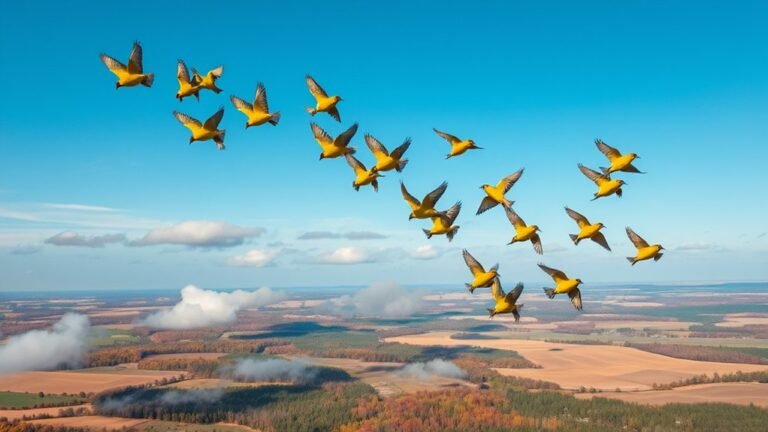
7 Proven Ways to Stop Birds From Hitting Windows
If you have seen a bird hit your window, you know it can be distressing. Birds often see reflections as paths, leading to harmful crashes. Luckily, you can protect these delicate animals and your home. Here are some effective methods to help keep both your view and our feathered friends safe.
- Use Window Films: Apply bird-safe window films that reduce reflections and help birds see the glass.
- Install Screens: Adding mesh screens to windows can create a barrier, preventing birds from flying into the glass.
- Hang Wind Chimes: The sound and movement of wind chimes keep birds away from windows.
- Place Feeders Strategically: Position bird feeders at least 30 feet from windows to reduce the chance of collisions.
- Add Visual Markers: Stickers or decals can break up reflections and make windows more visible to birds.
- Adjust Lighting: Reduce indoor lighting at night to minimize reflections that confuse birds.
- Use Ultraviolet Paint: Applying UV paint on windows allows birds to see the glass without obstructing your view.
These simple strategies can make a significant difference. Protecting birds helps maintain the beauty of nature while keeping your home safe.
Key Takeaways
- Install window films or decorative decals to protect birds and improve home appearance.
- Use mesh or nylon netting to create a barrier that stops window collisions while allowing clear views.
- Hang reflective items like wind chimes or mirrors to catch birds' attention and keep them away from windows.
- Add blinds or solar shades outside to reduce reflections and glare, making your home safer for birds.
- Place bird feeders within 3 feet and baths 5 to 10 feet away from windows to encourage safe feeding and bathing.
Install Window Films or Decals
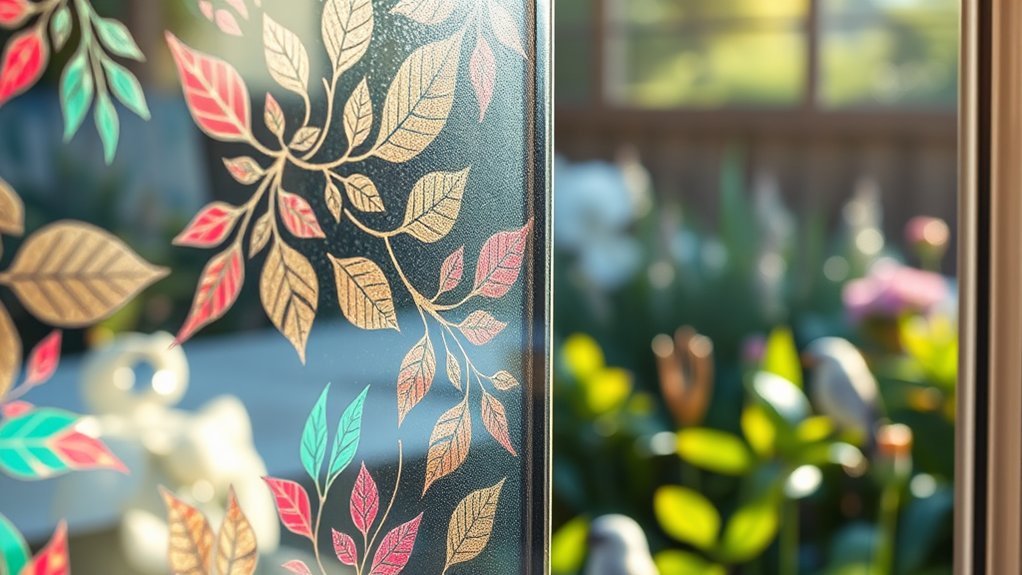
Installing window films or decals can help protect birds from striking your windows. This solution not only helps wildlife but also adds beauty to your home.
You can choose decorative patterns that match your style, such as nature designs that look lovely on glass. Additionally, UV films can block harmful rays and reduce glare.
By selecting window films, you protect birds and contribute to a caring community. It's fulfilling to help these vulnerable creatures.
Let's work together to make our spaces safe and beautiful for our feathered friends!
Use Netting or Screens
Window films and decals can help avoid bird collisions, but netting and screens offer extra safety.
Using mesh or nylon netting creates a barrier between your windows and birds, protecting them effectively. These materials are subtle and don't obstruct your view, allowing you to appreciate your surroundings without harming wildlife.
You can choose from different screen designs to match your style while ensuring safety for birds.
Hang Reflective Objects
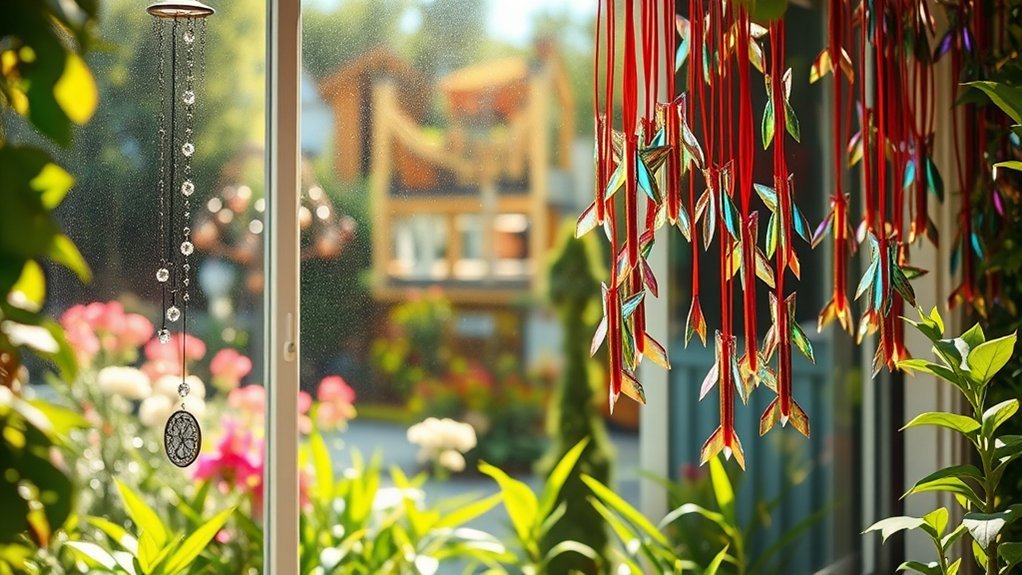
To help keep birds safe around your home, hang reflective objects near your windows. Shiny items like wind chimes, mirrors, or aluminum foil can reflect light and catch a bird's attention. This may make them think twice about flying too close.
These decorations brighten your outdoor space and create a vibrant environment for birds to enjoy from a distance. By adding these reflections to your home, you take a caring step to protect wildlife. Each small action contributes to making safer places for birds, allowing them to thrive without the risk of flying into windows.
Your efforts can make a difference.
Add External Shading
To protect birds from window collisions, consider adding external shading. Use external blinds and solar shades to create barriers that break reflections, making windows safer for birds.
These shades not only help birds but also improve your home's appearance, creating a welcoming space for wildlife and family. By reducing glare, they offer clearer views for birds while allowing natural light into your home.
This small change can help protect our environment and its inhabitants, making a positive impact on the community. You can support bird safety and enjoy a more beautiful home at the same time.
Position Bird Feeders and Baths Wisely
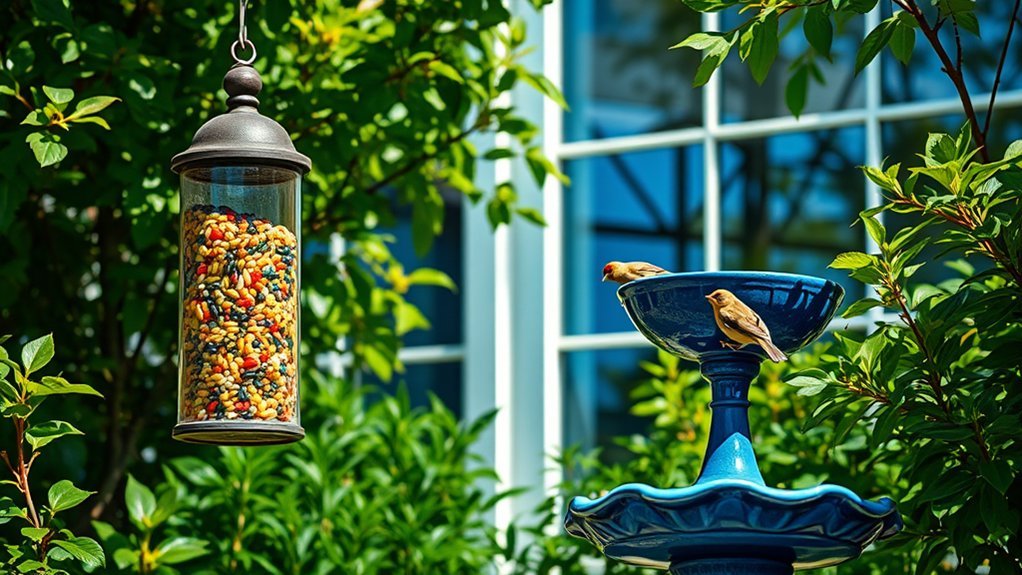
Positioning bird feeders and baths correctly can reduce the risk of birds colliding with windows. Place feeders ideally within 3 feet of windows to prevent birds from gaining too much speed as they approach.
Position baths at least 5 to 10 feet away from windows. This distance helps birds feel secure and encourages them to avoid flying near glass.
Creating safe spaces for birds protects them and enhances your backyard. Watching birds thrive in a secure environment can be a rewarding experience.
You contribute to their safety and well-being while enjoying their presence.
Maintain Clear Visibility
How clear are your windows? Keeping windows clean is important for bird safety.
Dirty or cluttered windows can make birds think they're flying into open spaces, which may lead to collisions.
Here are some tips to improve visibility through your windows:
- Clean your windows often to remove dust and fingerprints.
- Use sheer curtains or blinds that let in light while maintaining view.
- Organize your space to minimize reflections that can confuse birds.
- Apply window films or decals to increase visibility while keeping your decor intact.
Utilize Sound Deterrents
Sound can effectively prevent bird collisions with windows.
By using sonic devices that produce sounds birds dislike, you can help birds avoid dangerous areas. These devices emit ultrasonic sounds that humans can't hear, but they alert birds to potential hazards. This method is simple and humane, allowing you to protect birds while keeping your environment beautiful.
Using sound deterrents helps create a safer space for birds. It shows you care about wildlife and the environment.
Many neighbors are taking similar actions, making a positive impact in the community. You can join them, and together, you can protect our feathered friends.
Frequently Asked Questions
What Types of Birds Are Most Likely to Hit Windows?
Finch species and certain types of sparrows often hit windows. These birds fly into glass because they might mistake it for open space. To help reduce this problem, observe their behavior and make adjustments to your environment. Taking simple steps can create a safer space for birds.
How Can I Identify if a Bird Is Injured After a Collision?
After a collision, check the bird for signs of injury. Look for these indicators: lethargy, bleeding, or an unusual posture. If you see any of these signs, contact a local wildlife rehabilitator. They can provide advice on how to help the bird recover. Your efforts can make a difference in its healing process.
Are There Specific Times of Day When Bird Collisions Are More Common?
Bird collisions commonly occur in the morning and evening. During these times, birds are active as they search for food or return home. Knowing these peak hours allows you to make your space safer for birds.
Do Certain Window Materials Reduce Bird Collisions More Effectively?
Some window designs have non-reflective surfaces that can greatly decrease bird collisions. Choosing materials that reduce reflections will improve your view and make the environment safer for birds. This choice benefits both people and wildlife.
How Can Landscaping Influence Bird Behavior Near Windows?
Landscaping affects bird behavior near windows. By planting native plants and placing bird feeders in suitable spots, you create a safe and inviting habitat. This approach can help birds thrive and lower the chances of them flying into windows. Enjoy watching the birds as they visit your garden.

Kashvi is a passionate bird enthusiast and nature lover who has been fascinated by the world of birds for years. With a keen eye for detail and a love for learning, Kashvi is dedicated to sharing her knowledge and insights with fellow bird enthusiasts on Avian Enthusiasts. Through her engaging and informative articles, Kashvi aims to inspire others to join her in exploring the fascinating world of birds and to promote a deeper appreciation for these incredible creatures.