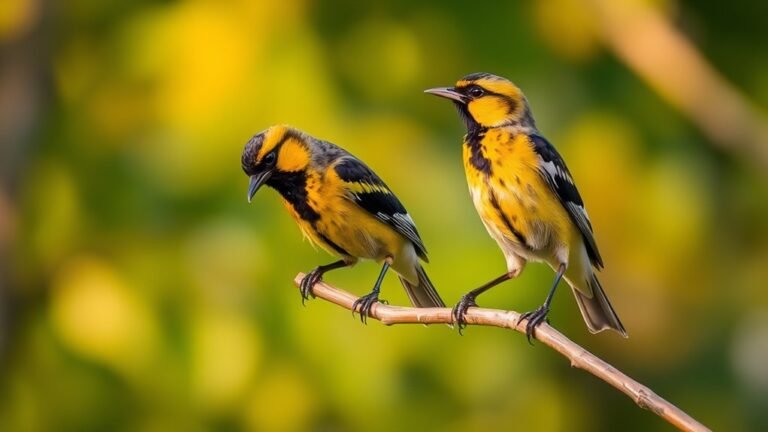
Rare Yellow Cardinals: Everything You Need to Know
The rare yellow cardinal is fascinating because of its genetics. Unique mutations cause their bright yellow color. These birds primarily live in the southeastern United States. Their behavior and habitat are also interesting. They have specific diets and social structures that show how well they adapt to their environment. Urbanization impacts their survival, highlighting the need for conservation efforts. Understanding these factors is important for the future of this unique species.
Key Takeaways
- Yellow cardinals are a result of genetic mutations affecting their pigment. This change gives them their bright yellow feathers.
- They usually live in shrubby areas, open woodlands, and suburban regions in the southeastern U.S.
- Their diet includes seeds, fruits, and insects. During non-breeding seasons, they often gather in flocks for safety.
- Conservation efforts are important. Habitat loss from urban development and farming threatens their numbers.
- The best times to spot yellow cardinals are early mornings in neighborhoods. Listen for their sharp calls and look for their bright colors among the leaves.
Understanding the Genetics of Yellow Cardinals

Many people admire the bright red feathers of Northern Cardinals. However, yellow cardinals are rare and interesting due to specific genetic changes.
These yellow cardinals result from mutations that affect how pigments are produced. Carotenoids give cardinals their red color. If these pigments are changed or produced in lower amounts, the bird's feathers turn yellow.
Studying these genetic mutations helps us understand diversity in nature. It also leads to discussions about evolution in birds.
As you learn about yellow cardinals, you join a community interested in unique bird features that highlight the wonders of nature.
Habitat and Distribution
Yellow cardinals thrive in specific environments that suit their needs. They prefer shrubby areas, open woodlands, and suburban landscapes.
During breeding season, they often nest in dense thickets and along edges, which provide security.
These birds are mostly found in the southeastern U.S., particularly in Florida, Louisiana, and parts of Texas.
Their geographical range is limited, making sightings of these beautiful birds quite rare.
Understanding where they live helps you appreciate their role in nature and connect with other bird enthusiasts.
Local birdwatching can foster a sense of community among nature lovers.
Behavior and Diet
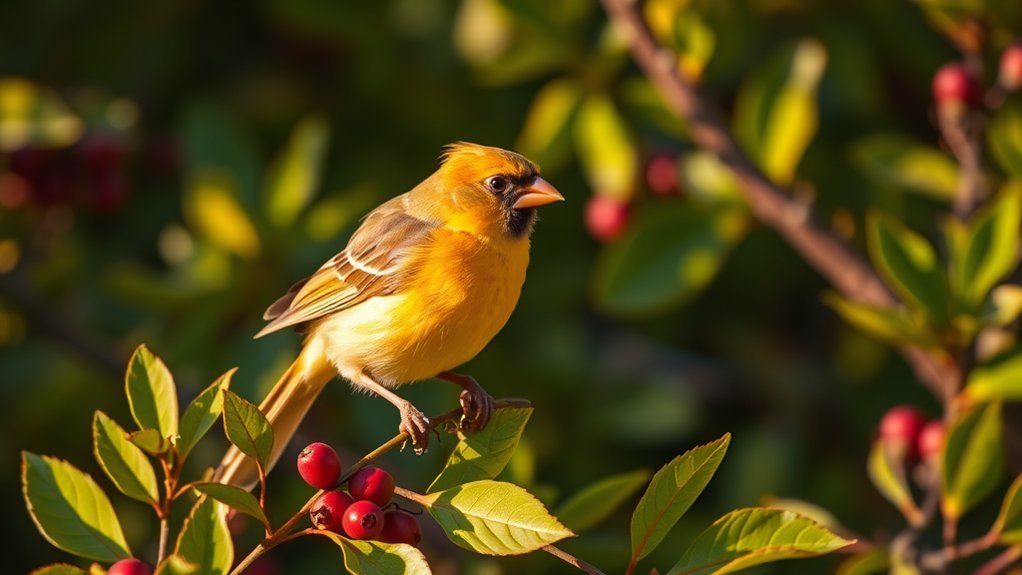
Yellow cardinals show interesting behavior and diet patterns. They usually eat seeds, fruits, and insects. You can spot them at feeders or on the ground searching for food. Their feeding habits reflect their adaptability.
In terms of social behavior, yellow cardinals often form loose flocks, especially outside the breeding season. This helps them find food and alert each other about dangers.
Watching their interactions can deepen your understanding of how they work together to survive. Their ability to adapt in feeding and social habits is important for thriving in different environments.
Conservation Efforts and Status
The yellow cardinal's population status requires urgent attention for conservation. Their rarity highlights the need for habitat protection so they can thrive in their natural homes.
Research shows that habitat loss from urbanization and agriculture severely threatens their survival. Conservation organizations focus on preserving and restoring native plants and protecting vital breeding areas.
Involving local communities is crucial; it builds a sense of responsibility for these unique birds. Your involvement in awareness campaigns and habitat restoration can significantly impact yellow cardinal conservation.
Together, we can implement effective measures to protect these beautiful birds and their shrinking habitats, ensuring they continue to be part of our landscape.
Tips for Spotting Yellow Cardinals in the Wild

To increase your chances of spotting a yellow cardinal in the wild, focus on their habitat.
Yellow cardinals are usually found in residential areas, gardens, and near wooded edges. Go birdwatching in the early morning, as this is when they're most active.
Listen for their sharp and clear calls, which can help you locate them. Notice their color variations; some may look more muted and blend with their surroundings.
Use binoculars to see them better, especially if they're in thick foliage. Joining local birdwatching groups can also help.
You can learn from experienced birdwatchers, which makes your search for the yellow cardinal more enjoyable and rewarding.
Frequently Asked Questions
Can Yellow Cardinals Interbreed With Other Cardinal Species?
Yes, yellow cardinals can interbreed with other cardinal species. This process creates variations in their genetics. These hybrids may adapt better to different environments. This adaptation contributes to the diversity of bird life in your area.
How Do Yellow Cardinals Communicate With Each Other?
Yellow cardinals communicate with each other mainly through vocal sounds. They use distinct calls during their social interactions. Watching these exchanges helps us understand their behavior and the importance of vocal communication. This communication helps build strong bonds within their community.
Are Yellow Cardinals Attracted to Specific Types of Feeders?
Yellow cardinals prefer certain types of feeders. They like feeders that offer sunflower seeds and safflower seeds. To attract yellow cardinals to your yard, choose the right feeders and set them up properly. This will increase your chances of seeing these beautiful birds in your backyard.
Do Yellow Cardinals Migrate Like Traditional Red Cardinals?
Yellow cardinals do not migrate like red cardinals. They tend to stay in one area, which helps maintain stable populations. Their breeding habits and preferred habitats lead to local movements rather than long-distance migration.
What Are Common Predators of Yellow Cardinals?
Yellow cardinals have predators like hawks and cats. These threats are especially prominent near their nests. While they prefer habitats with dense shrubs, which can provide some shelter, they must remain vigilant to survive. Understanding their environment and potential dangers is crucial for their safety.

Kashvi is a passionate bird enthusiast and nature lover who has been fascinated by the world of birds for years. With a keen eye for detail and a love for learning, Kashvi is dedicated to sharing her knowledge and insights with fellow bird enthusiasts on Avian Enthusiasts. Through her engaging and informative articles, Kashvi aims to inspire others to join her in exploring the fascinating world of birds and to promote a deeper appreciation for these incredible creatures.