Small Yellow and Black Birds: Backyard Visitors to Spot
Small birds, such as the Eastern Goldfinch and the Lesser Goldfinch, display bright yellow and black feathers that catch the eye. These birds enjoy visiting backyards that offer suitable food and shelter. To attract them, you can create a welcoming environment by providing their favorite seeds and plants. Observing their behaviors and habits will increase your chances of seeing these vibrant birds in your outdoor space. By meeting their needs, you can turn your yard into a lively place filled with color and joy.
Key Takeaways
- Look for the Eastern Goldfinch. It has bright yellow feathers and a black cap.
- Spot the Lesser Goldfinch. It has a striking black back and a bright yellow belly.
- Observe the Black-throated Green Warbler. It displays olive-green and yellow colors and likes wooded areas.
- Note the Magnolia Warbler. It features bold yellow and black streaks during migration.
- Watch for the Yellow-rumped Warbler. It is easy to recognize due to its distinct yellow patches.
Enjoy birdwatching and take note of these beautiful backyard visitors!
Common Small Yellow and Black Birds in North America
Do you wonder about small yellow and black birds in your backyard? The Eastern Goldfinch is a common visitor with bright yellow feathers and a black cap. In the western United States, you might see the Lesser Goldfinch, which has a striking black back and bright yellow belly.
The Black-throated Green Warbler features olive-green and yellow colors and often stays in wooded areas. The Magnolia Warbler shows bold yellow and black streaks. The Yellow-rumped Warbler is easy to recognize because of its yellow patches.
In shrubby areas, you may spot the Yellow-breasted Chat, known for its colorful blend of yellow and black. Other birds to watch for include the American Redstart and Wilson's Warbler, both adorned with vibrant yellow accents.
These birds add beauty and movement to our outdoor spaces, making birdwatching an enjoyable activity. Keep an eye out for them!
Attracting These Birds to Your Backyard
To attract small yellow and black birds to your backyard, follow these simple steps:
- Choose the right seeds: Use sunflower seeds and Nyjer thistle. These are their top choices.
- Place feeders wisely: Set up feeders near shrubs or trees. This gives birds safety and easy access.
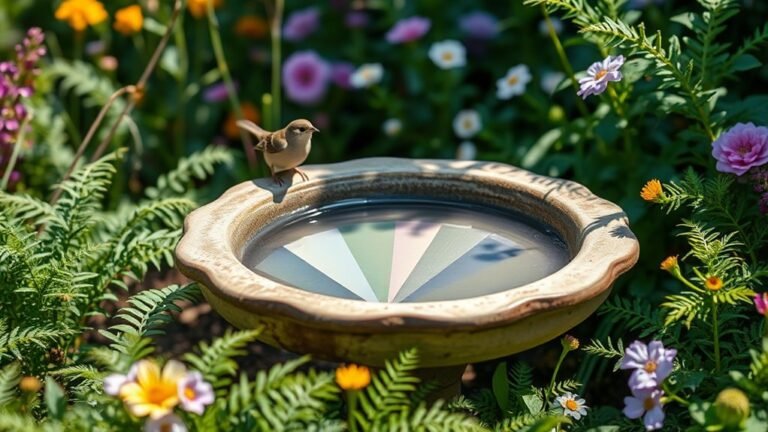
- Provide water: Add a shallow birdbath for drinking and bathing.
- Create shelter: Plant native bushes and trees. They offer the cover birds need.
By applying these tips, you can create a welcoming space for these beautiful birds in your backyard.
Enjoy watching them!
Unique Behaviors and Habits
While observing small yellow and black birds in your backyard, you'll notice their interesting behaviors.
These birds build nests in shrubs or trees using grass, feathers, and plant fibers. Watch them gather materials with cleverness and speed.
Their foraging methods are also captivating; they hop between branches and quickly search for seeds, insects, and fruit on the ground. You may see them hanging upside down to get food from leaves.
This shows their skill and their ability to adapt to different environments, making them delightful visitors in your garden.
Understanding Bird Feeding Preferences
Observing bird feeding habits can enhance your backyard birdwatching. Different birds show specific preferences based on their species, available food, and the environment.
Here are key factors to consider for seed selection and feeder types:
- Species-Specific Seeds: Birds prefer certain seeds. For example, goldfinches like sunflower seeds, while siskins prefer nyjer seeds.
- Feeder Types: Tube feeders attract finches. Platform feeders are suitable for larger birds, such as jays.
- Location: Place feeders near natural cover to attract shy birds. Bold species enjoy open spaces.
- Seasonal Changes: Bird preferences can shift according to food availability. Monitor their behaviors and adjust your offerings.
By keeping these factors in mind, you can create a more inviting bird environment in your backyard.
Happy birdwatching!
Creating a Bird-Friendly Environment
To create a bird-friendly environment, start by understanding what birds need.
Choose plants that attract birds, such as native flowers and shrubs that provide food and shelter. Look for plants that produce seeds and berries. This will help attract birds like goldfinches and orioles.
Next, gather materials for nesting. Twigs, dry grasses, and feathers are good choices. Place these in mesh bags or specific areas to help birds build nests nearby.
Make sure to include water sources, like birdbaths or small ponds. These features keep birds hydrated.
With these elements, you'll create a safe and inviting space for various bird species to thrive in your backyard. Enjoy watching the birds that visit!
Frequently Asked Questions
What Are the Best Times of Year to See These Birds?
To see these birds, visit during late spring. They actively forage and nest at this time. You will notice more activity in your backyard, making it a lively spot for birdwatching. Enjoy the sights and sounds as they engage in seasonal behaviors.
Do Small Yellow and Black Birds Migrate?
Small yellow and black birds migrate seasonally. They travel to their breeding grounds in spring. In autumn, they move south. These birds adapt to changes in their environment. Their migration patterns are clear and easy to observe.
What Other Colors Can These Birds Be?
These birds show various colors in their feathers. They can be bright red or blue, or they can have softer shades like brown or grey. When you look at them closely, you can see the unique patterns and colors that make them beautiful.
Are Any Small Yellow and Black Birds Endangered?
Yes, some small yellow and black birds are endangered. Conservation efforts are important for protecting their habitats. Supporting these efforts can help stabilize their populations and prevent further decline.
How Can I Identify Male vs. Female of These Species?
To identify male and female of these species, look at their physical traits. Males often have brighter colors, especially during mating. Note differences in size and patterns as these clues can help you tell them apart easily. Observing these features can make your identification process clear and straightforward. Enjoy the experience of discovering these differences!

Kashvi is a passionate bird enthusiast and nature lover who has been fascinated by the world of birds for years. With a keen eye for detail and a love for learning, Kashvi is dedicated to sharing her knowledge and insights with fellow bird enthusiasts on Avian Enthusiasts. Through her engaging and informative articles, Kashvi aims to inspire others to join her in exploring the fascinating world of birds and to promote a deeper appreciation for these incredible creatures.