Bird Conservation

  • Rare Birds of North America: A Guide for Bird Enthusiasts

    In your exploration of rare birds in North America, you will discover their unique traits and importance in their ecosystems. Understanding their behaviors and specific habitats is essential for their survival. Recognizing the threats these species face highlights the need for conservation efforts. Consider the stories of birds like the California Condor and the Whooping Crane. Reflect on the actions that can effectively protect their future. Engaging with these topics will deepen your appreciation for these remarkable birds and their place in nature.

  • Birds of Georgia: 12 Most Beautiful Species

    Georgia has a rich variety of birds, showcasing vibrant colors and interesting behaviors. The Northern Cardinal stands out with its bright red plumage, while the Barn Owl often hides in shadowy places. Each bird plays an important role in the local ecosystem. Learning about these twelve beautiful birds helps us understand their importance and the conservation challenges they face. This journey into the lives of Georgia’s birds encourages us to appreciate nature and take steps to protect these remarkable species.

  • Rare Yellow Cardinals: Everything You Need to Know

    If you are interested in the rare yellow cardinal, it is important to learn about its genetics. These birds are known for their bright color, which comes from specific mutations. They are mostly found in the southeastern United States. In addition to their appearance, their behavior and habitat are also fascinating. Their diet primarily consists of seeds and fruits. They have distinct social structures, often seen in pairs or small groups. Urbanization impacts their survival, making conservation efforts critical. Protecting their habitat is vital for the future of this unique species. These efforts can help ensure that future generations can enjoy seeing these beautiful birds.

  • 12 Birds With Orange Beaks: Complete Guide

    In this guide, you will learn about 12 different birds that have striking orange beaks. Each bird, from the Atlantic Puffin to the Toco Toucan, has special traits that help it survive in its environment. Knowing these traits is important for bird watchers and for conservation efforts. As you look at their habitats and feeding methods, you will understand their roles in ecosystems that are facing threats. What challenges do these birds face?

  • Finches in Hawaii: Identification and Conservation

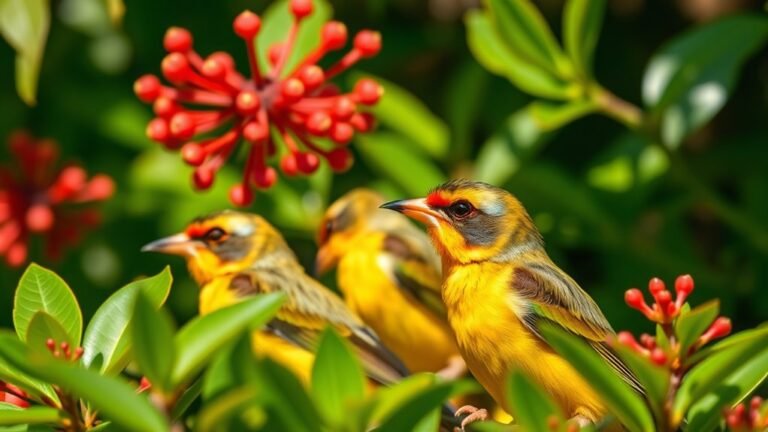
    Hawaiian finches, specifically honeycreepers, have unique adaptations that help them survive in Hawaii’s ecosystems. Identifying these species is important for understanding ecological principles. Their beak shapes are suited to their food sources, showcasing the connection between species and habitat. However, these birds face threats that endanger their survival. To protect Hawaiian finches, we need to understand these relationships better. What actions can we take to ensure their future?

  • Birds in South Carolina: Native and Migratory Species

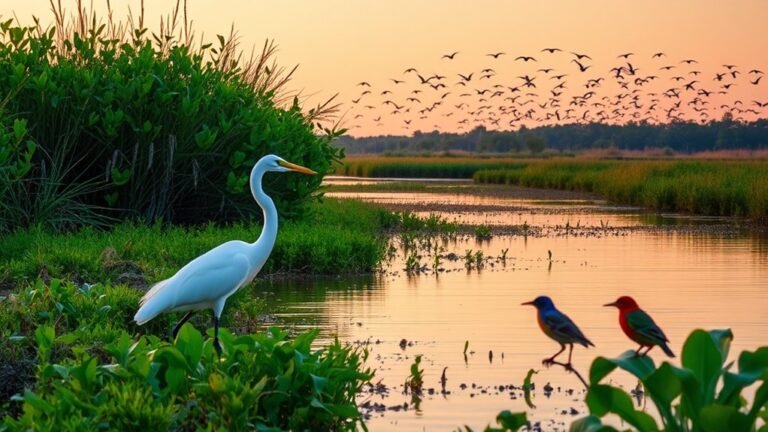
    South Carolina is home to a variety of bird species, both native and migratory. Native birds like the Carolina Wren and Northern Cardinal thrive in the state’s different habitats. Seasonal visitors also add to this diversity. Each bird species contributes to the ecosystem, affecting balance and habitat health. Learning about bird behaviors and interactions is crucial for conservation. This knowledge helps to protect the natural environment. Understanding how both native and migratory birds influence their surroundings is vital for maintaining South Carolina’s rich avian life.

  • Birds With Red Heads: a Fascinating Species Guide

    Birds with red heads show unique traits that intrigue many people. Species like the Red-Headed Woodpecker and the Northern Cardinal have bright feathers. These colors help them in their behaviors and habitats. Understanding these birds helps us learn about their survival and the challenges they face. These birds play important roles in their ecosystems. For example, they help control insect populations and spread seeds. By observing their actions and habitats, we can gain insights into their lives and needs for protection. Exploring the characteristics of these beautiful birds can change how we see them. Appreciating their beauty and understanding their importance can encourage conservation efforts.

  • Birds Similar to Peacocks: Majestic Alternatives Explored

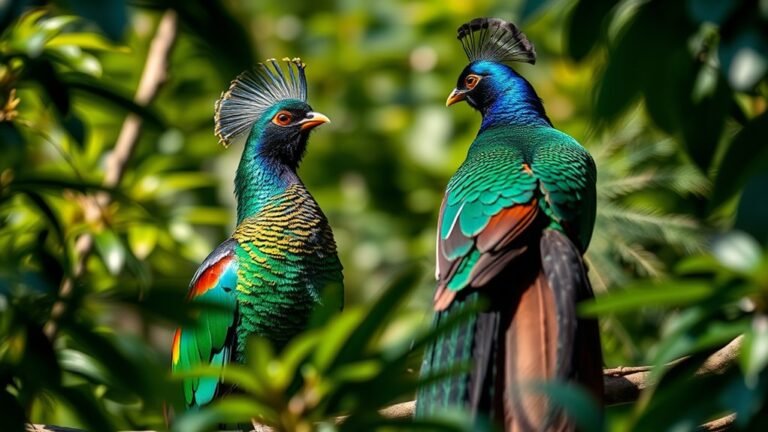
    Birds similar to peacocks showcase remarkable beauty and interesting behaviors. The resplendent quetzal boasts vibrant feathers, while the Indian argus performs graceful courtship dances. Each species has unique traits that deserve recognition. Understanding their characteristics and conservation needs highlights their importance in our ecosystem. What stories do these majestic birds tell about nature’s creativity?

  • Small Birds With Long Tails: a Fascinating Species Guide

    Small birds with long tails, such as the Barn Swallow and Eastern Kingbird, exhibit tail lengths that play a vital role in how they survive. Their long tails help them fly better and maneuver swiftly in the air. This ability allows them to interact with their environment and other species effectively. Observing these birds prompts questions about their importance in the ecosystem and the conservation challenges they face. Understanding their behaviors and roles can enhance our appreciation of these fascinating creatures.

  • Black Birds With Orange Wings: Identification and Facts

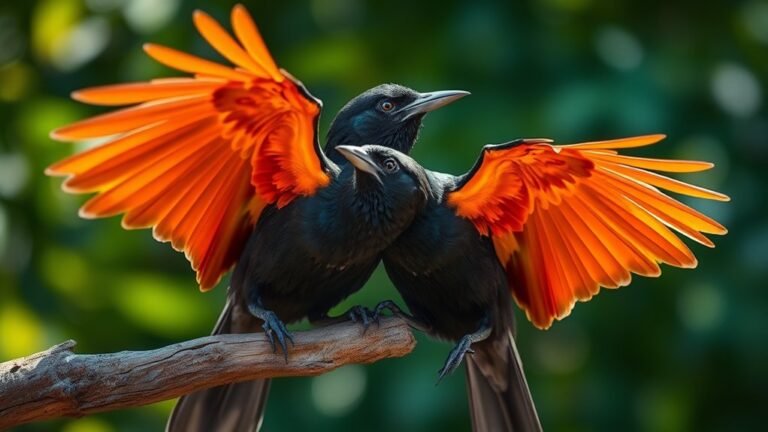
    Black birds with orange wings attract attention in various environments. Some common species include the Baltimore Oriole and the Red-winged Blackbird. To identify these birds, look for their distinct colors and behaviors. These birds play important roles in their habitats. They help with pollination and seed dispersal, which benefit plant life. Understanding their breeding habits is key to conservation efforts, as these birds face challenges like habitat loss and climate change. Awareness of their significance can guide our actions to protect them. What challenges do you think they face in their environments?