5 Best Native Flower Seed Kits for Attracting Local Pollinators in 2026
Absolutely, discover the top five native flower seed kits for attracting pollinators in 2026 and learn how to choose the perfect one for your garden.

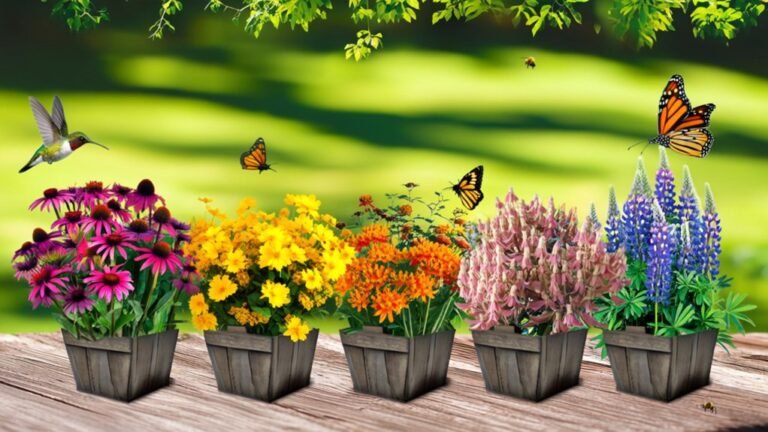
Absolutely, discover the top five native flower seed kits for attracting pollinators in 2026 and learn how to choose the perfect one for your garden.

To attract Cedar Waxwings to your garden, consider their food and shelter needs. These birds enjoy areas with native plants that produce fruit. By making specific changes, you can create a friendly space for them. Here are some ways to enhance your garden for Cedar Waxwings, starting with the right plants and food sources. 1. Plant fruit-bearing trees and bushes. Cedar Waxwings love berries, so consider adding serviceberries, elderberries, and hawthorn. 2. Create a water source. A small birdbath can provide a refreshing spot for them to drink and bathe. 3. Avoid pesticides. These chemicals can harm Cedar Waxwings and reduce their food supply. 4. Offer nesting sites. Leave some areas of your garden wild, with dense shrubs or small trees for shelter. 5. Grow native plants. Native species attract insects, which provide food for the birds. 6. Use mulch. It helps retain moisture and supports plants that produce fruit for the birds. 7. Provide perching spots. Low trees or tall shrubs give Cedar Waxwings places to rest and watch for food. 8. Organize fruiting plants in clusters. This makes it easier for the birds to find and enjoy their meals. 9. Monitor food supply. Check that fruiting plants are healthy and bearing fruit during the season when Cedar Waxwings visit. 10. Be patient. It may take time for these beautiful birds to discover your garden, but with the right setup, they will come. By following these tips, you can create a welcoming garden that attracts Cedar Waxwings and brings joy with their presence.

Setting up a bird feeder can turn your backyard into a welcoming spot for birds. Choose the right location and include native plants to attract different species. With some planning, you can improve your garden’s beauty and help local wildlife. Here are key practices to create this inviting space.
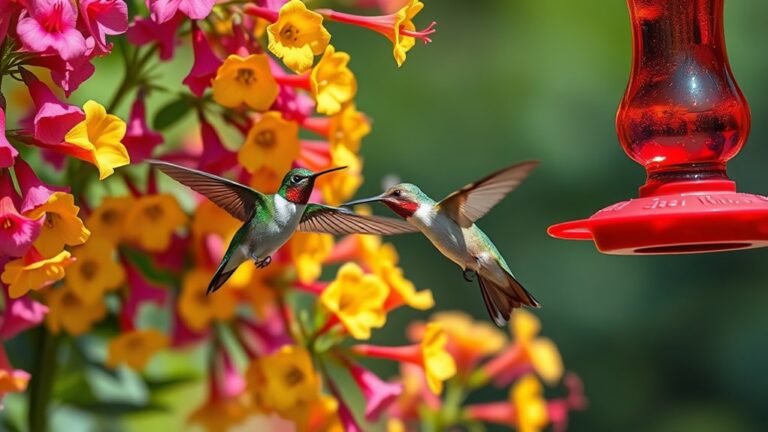
To attract hummingbirds to your Missouri garden, start by recognizing the common species: Ruby-throated and Rufous hummingbirds. Each has unique colors and patterns. To increase their visits, choose plants that appeal to them. Brightly colored flowers with tubular shapes are particularly inviting. Additionally, use feeders filled with a sugar-water solution (1 part sugar to 4 parts water) to supplement natural food sources. Keep feeders clean and refill them regularly to maintain interest. Creating a garden with a variety of flowers and feeders will help draw these captivating birds to your space. Consider planting native plants, as they can provide a natural food source. Also, avoid using pesticides, which can harm hummingbirds. By following these simple steps, you can build an attractive environment for these amazing creatures.

In Colorado, orange and black birds play an important role in the state’s bird diversity. Species like the Bullock’s Oriole and Black-headed Grosbeak have unique nesting and feeding habits that help them thrive. To attract these birds to your yard, it is essential to know their habitat needs and preferences. Planting native plants can create a welcoming environment for them. These birds exhibit interesting behaviors and have specific conservation needs worth exploring.