
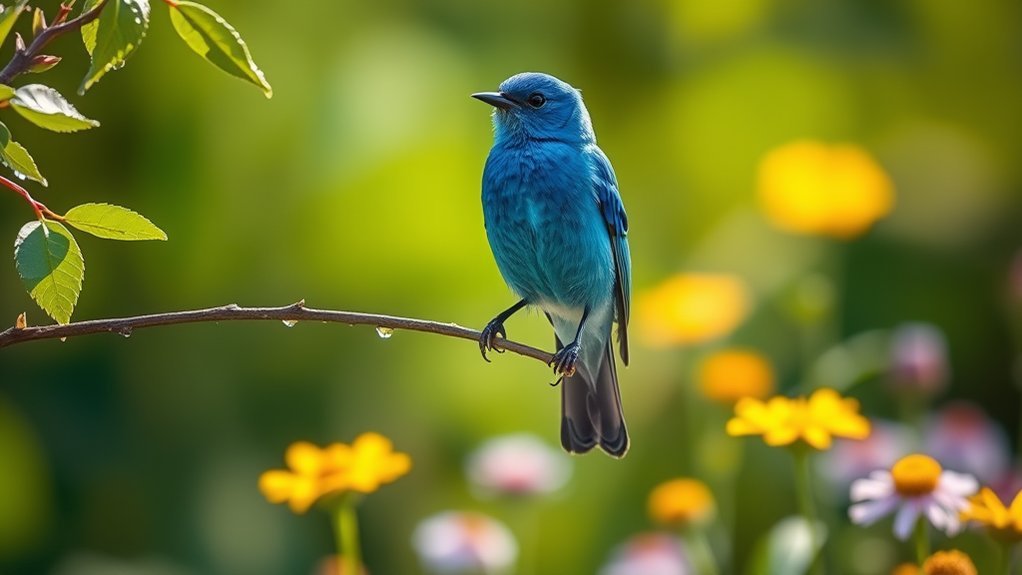
8 Common Blue Birds in Pennsylvania Guide
Pennsylvania has many blue birds that are enjoyable to watch. You can spot the bright Eastern Bluebird, the beautiful Indigo Bunting, and the clever Blue Jay. Each of these birds has its own traits and behaviors. You will also see the agile Tree and Barn Swallows, along with the striking Blue Grosbeak. Learning about their homes and habits will improve your birdwatching. What unique features help these birds survive in their environments?
Key Takeaways
- Eastern Bluebirds are small birds with bright colors. They live in open areas and help control pest populations by eating insects.
- Indigo Buntings show striking blue feathers. They have strong skills to find their way during migration.
- Blue Jays are bold and social. They are smart birds that gather food to store for later.
- Tree Swallows have shiny blue-green upperparts. They often gather in flocks near water.
- Barn Swallows are quick and agile. They build mud nests and catch insects with great skill.
Eastern Bluebird

The Eastern Bluebird (Sialia sialis) is a small bird that measures 6.5 to 8.5 inches long. It's known for its bright colors and sweet song.
Eastern Bluebirds live in open areas such as woodlands, grasslands, and farms. They prefer habitats that have trees nearby for nesting.
These birds eat mainly insects and fruits. They help control pests by eating harmful insects. During the warmer months, they like to eat crickets, beetles, and grasshoppers. In winter, their diet changes to berries and small fruits like holly and sumac.
Watching Eastern Bluebirds can help you appreciate your local environment. It connects you to the beauty of nature and its processes.
Indigo Bunting
The Indigo Bunting (Passerina cyanea) is a striking bird known for its vibrant blue feathers, especially in males during the breeding season.
These birds prefer open woodlands, fields, and shrubby areas as their habitat. While observing them, you might notice their lively songs.
Males sing to establish their territory and attract mates, often from noticeable perches, making them easier to see.
During migration, Indigo Buntings can fly at night, showing impressive navigation skills.
Their bright colors add beauty to the landscape and make them a favorite among birdwatchers in Pennsylvania.
Blue Jay
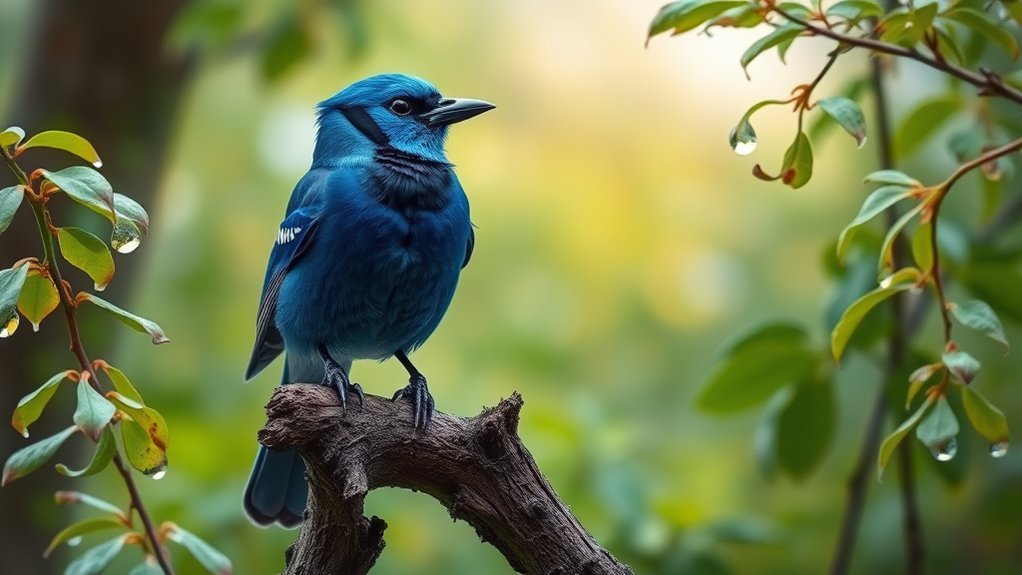
Blue Jays (Cyanocitta cristata) are known for their bold colors and distinctive markings. They prefer habitats in wooded areas, parks, and suburbs.
These birds are social and intelligent, often found in small groups. They communicate through various whistles and calls. Blue Jays can be aggressive, especially when defending their nests from intruders. This behavior shows their strong territorial instincts.
They also exhibit food caching behavior, burying nuts for later retrieval, which highlights their problem-solving skills. Observing Blue Jays can help deepen your understanding of their important role in Pennsylvania's ecosystem.
Tree Swallow
Tree Swallows (Tachycineta bicolor) are beautiful birds found in many areas of Pennsylvania. They prefer open fields, wetlands, and water bodies. Their upperparts shine in iridescent blue-green, and they've a white underbelly.
Tree Swallows nest in old woodpecker holes or in man-made structures like nest boxes. They usually lay 4 to 7 eggs, and both parents take turns incubating them.
These birds migrate south in late summer, often traveling to Central America for the winter. Their graceful flight and social behavior make Tree Swallows a joy to watch.
Observing them can deepen your appreciation for Pennsylvania's natural beauty and ecosystem.
Barn Swallow

The Barn Swallow (Hirundo rustica) is an agile bird known for its long, forked tail and slender body. You can often see them swooping and diving in the air, showing off their speed and precision while flying.
They like open fields and areas near water, where they catch insects.
For nesting, Barn Swallows build mud nests under eaves or bridges. These nests have layers and can be reused in consecutive breeding seasons.
Their social behavior often leads them to nest in groups, creating a strong sense of community. Watching these behaviors can help you appreciate their role in Pennsylvania's ecosystem.
Blue Grosbeak
While watching swallows in open fields, you may also see the Blue Grosbeak (Passerina caerulea). This bird belongs to the cardinal family and shows bright blue feathers.
Blue Grosbeaks live in shrubby areas, near trees and dense thickets, often along streams or field edges where they build nests.
Males display deep blue plumage and defend their territory with loud songs. They search for seeds and insects in low vegetation and open ground.
During the breeding season, they perform courtship displays, fluttering and calling to attract a mate. Learning about their habitat and behavior can enhance your birdwatching experience and deepen your connection to Pennsylvania's bird community.
Cerulean Warbler
Cerulean Warblers (Setophaga cerulea) are beautiful birds found in mature deciduous forests. They prefer tall trees with leafy canopies.
To spot them, look in high treetops where they build nests. During breeding season, you can hear their unique calls, which sound like a series of high, thin notes.
These birds mainly eat insects and caterpillars. Protecting their habitat is vital for their survival, as deforestation can threaten their populations.
Belted Kingfisher
The Belted Kingfisher (Megaceryle alcyon) is often seen near rivers and lakes. This bird is easy to identify due to its striking blue-gray feathers and distinctive crest.
It lives in areas with wooded streams, shorelines, and wetlands.
The kingfisher primarily eats fish, but it also catches amphibians and crustaceans. It hunts by diving into the water from a high perch, using its sharp eyesight to find food.
Observing this bird helps you appreciate the lively ecosystem around Pennsylvania's waterways.
Frequently Asked Questions
What Are the Best Times to Spot Blue Birds in Pennsylvania?
To spot bluebirds, look in the early morning or late afternoon. In spring, focus on their breeding behaviors, as these times bring heightened activity. This increase improves your chances of seeing their vivid displays and social interactions. Enjoy watching these beautiful birds as they engage in their spring activities.
Are There Any Specific Habitats Blue Birds Prefer?
Bluebirds like open fields, orchards, and edges of forests. These areas allow them to set up their homes easily. They build nests in cavities, often using old woodpecker holes or nest boxes made by people. This choice helps protect them from predators and gives them access to plenty of food. Bluebirds thrive in these habitats because they provide safety and nourishment.
How Can I Attract Blue Birds to My Backyard?
To attract bluebirds to your backyard, follow these simple steps:
- Install Nesting Boxes: Place nesting boxes in open areas. Make sure they are elevated and have proper drainage.
- Provide Fresh Water: Set up bird baths for the birds to drink and bathe.
- Plant Native Vegetation: Use native plants to create a diverse habitat. This will make your yard more inviting for bluebirds.
Do Blue Birds Migrate, and When Do They Leave?
Bluebirds do migrate. They leave for warmer areas in late fall and return in early spring. Watching this migration can make your backyard more attractive to these lovely birds.
What Foods Are Best for Feeding Blue Birds?
To attract bluebirds, provide mealworms and various berries. Place food in open areas to encourage birds to explore. Bluebirds prefer protein-rich foods, creating an inviting space for them.

Kashvi is a passionate bird enthusiast and nature lover who has been fascinated by the world of birds for years. With a keen eye for detail and a love for learning, Kashvi is dedicated to sharing her knowledge and insights with fellow bird enthusiasts on Avian Enthusiasts. Through her engaging and informative articles, Kashvi aims to inspire others to join her in exploring the fascinating world of birds and to promote a deeper appreciation for these incredible creatures.


