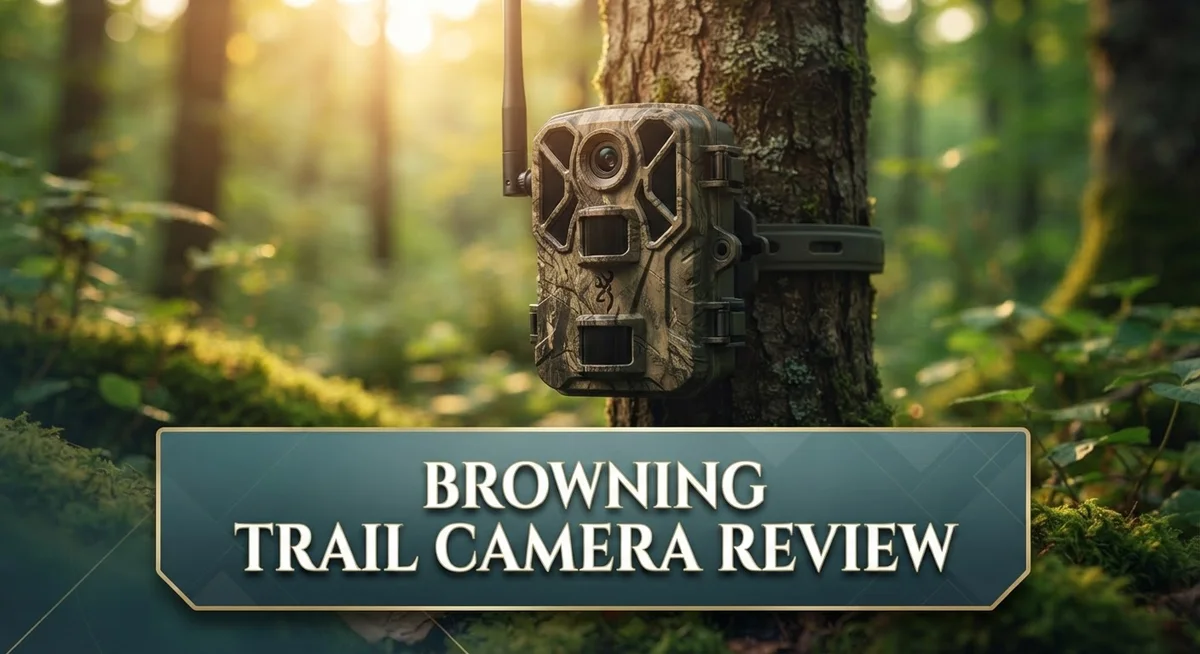
Browning Trail Camera Review: Features, Performance & Reliability
Browning trail cameras promise sharp images and fast triggers in the field. But do they really deliver when it counts?
Hunters want a camera that catches every movement. They need clear photos, quick triggers, and gear that survives tough weather.
Browning builds its cameras with all steel mounts and weatherproof shells. Many models offer fast trigger speeds and crisp daytime video.
But no camera is perfect. Some users report battery drain and missed detections in the field.
This review digs into real performance. We cover image quality, trigger speed, battery life, and durability.
You will see where Browning shines and where it falls short. We also compare it to brands like Tactacam and Stealth Cam.
By the end, you will know if a Browning trail camera fits your hunting needs. Let’s break down the facts.
In a Nutshell
Here is the quick takeaway on Browning trail cameras.
- Fast trigger speed of 0.15 to 0.7 seconds helps you catch quick movers in the field.
- The 46MP resolution on top models gives you crisp, detailed shots during the day.
- A wide 80 foot detection range and 110 foot IR flash cover large areas at night.
- Battery life is a weak point. You may need to swap batteries more often than you like.
- Night footage can disappoint. Clips often shrink to just one second in low light.
- Cellular livestream models let you check your camera feed from your phone.
Browning cameras work best for hunters who want sharp daytime shots and quick triggers. They fall short if you need rock solid night performance or long battery runtime.
Compared to rivals like Tactacam and Stealth Cam, Browning holds its own on daytime clarity. But it lags behind on consistency.
If reliability matters more than resolution, weigh your options carefully. This review breaks down every detail to help you decide.
Key Features and Specifications
Browning trail cameras pack several standout features that appeal to serious hunters. Let’s explore what makes these cameras tick under real field conditions.
The 1.5 inch color screen gives you a clear view of your footage right in the field. You can review images and videos without carrying a laptop or tablet. This screen helps you check camera settings and confirm your placement is working.
Trigger speed matters when game moves fast. Browning cameras fire between 0.15 and 0.7 seconds. This means you capture deer, elk, and other animals mid stride instead of missing the shot entirely. Faster triggers equal more complete footage of animal behavior.
The detection range reaches 80 feet during the day and 110 feet with infrared flash at night. This wide coverage means fewer cameras needed to monitor large areas. You get broad surveillance with a single unit on your tree.
Resolution climbs to 46MP on premium models like the Defender Vision Pro HD. Higher megapixels deliver sharper details in daylight photos. You can zoom in on faces, antlers, and body marks without losing image quality. Daytime video quality stands out as a genuine strength.
All steel construction and adjustable tree mounts provide durability in rough terrain. These cameras withstand rain, snow, and temperature swings. The solid build means your investment lasts multiple seasons.
Cellular livestream capability appears on select models. This feature lets you check your camera from your phone in real time. You monitor activity without visiting the field, saving time and reducing disturbance to the area.
However, battery drain remains a concern. Heavy use depletes batteries faster than you might expect. Night video quality also presents challenges. The camera switches to 1 second clips at night, and video brightness can flicker during recording. Some users report blurry images when the infrared flash does not fire.
These specs show Browning cameras excel at daytime performance and speed. The real question is whether their strengths outweigh their weaknesses for your specific hunting situation.

- Bundle Includes: 6 x Browning Trail Cameras Dark Ops Pro DCL Nano with 6 x 32GB Ultra SDHC UHS-I Memory Card (100MB/s...
- Ideal for the Night: The Browning Trail Cameras Dark Ops Pro DCL Nano feature a high-performance Invisible Infrared...
- Unique Technology: It features ‘Dual Camera Lens Technology’ which incorporates a custom-tuned daytime camera lens...
Last update on 2026-10-06 / Affiliate links / Images from Amazon Product Advertising API
Image and Video Quality
When you press the shutter button on a Browning trail camera, you want crisp images and smooth video. Let’s see what you actually get in the field.
Daytime performance shines bright. Browning cameras capture excellent video during daylight hours. The 46MP resolution on premium models delivers detailed shots. You can zoom in later and still see fine details like fur texture and antler points. Colors stay true to life. Shadows and highlights balance well without washing out.
The fast trigger speed of 0.15 to 0.7 seconds means you rarely miss a moment. When a deer bounds across your camera’s view, the Browning fires quick enough to catch multiple frames. This speed advantage helps you get the shot instead of a blurry tail end.
Night video tells a different story. This is where Browning stumbles. The infrared flash reaches 110 feet, which sounds impressive. But the actual video quality drops significantly at night. The camera reverts to shorter 1 second clips instead of continuous recording. This means you might miss action that happens between frames.
Another issue appears during night recording. Video brightness flicker can ruin otherwise usable footage. The image brightens and dims unpredictably as the infrared adjusts. Hunters find this frustrating when reviewing footage later.
No flash images present another challenge. When the infrared doesn’t trigger, Browning cameras often produce blurry shots. You lose detail compared to daytime captures. This inconsistency makes it hard to identify distant animals or confirm species.
The 1.5 inch color screen helps you review footage on site. You see what the camera captured without waiting to get home. This feature matters when you need to adjust camera placement or check battery levels.
Bottom line on image quality: Browning excels at daytime video and still images. Your daytime footage will impress. But nighttime performance lags behind what hunters expect. If your hunting area stays active mostly during daylight, Browning delivers solid results. For nocturnal game monitoring, you might find better options elsewhere.
Detection Range and Trigger Speed
Detection range and trigger speed are two critical factors that separate good trail cameras from great ones. Browning cameras deliver solid performance in both areas, though with some important nuances to understand.
Trigger speed is how fast the camera fires after motion appears in front of the lens. Browning trail cameras react between 0.15 and 0.7 seconds. This speed matters because fast animals like deer and predators move quickly through your field of view. A slower trigger means you miss the shot entirely. Browning’s fastest option at 0.15 seconds ranks competitively against brands like Tactacam and Stealth Cam.
The downside emerges at night. Night recording reverts to 1 second clips, which creates a significant gap in your footage. This delay means you might lose crucial moments when nocturnal animals pass through your setup. The inconsistency between day and night speeds frustrates many users.
Detection range tells you how far the camera senses motion before triggering. Browning cameras detect movement up to 80 feet during daylight. When infrared flash activates at night, that range extends to 110 feet. These distances cover most hunting scenarios effectively.
However, unreliable detection is a recurring complaint. Users report false triggers from wind, shadows, and vegetation movement. Other times the camera misses animals walking directly in front of it. This unpredictability makes it hard to trust your footage for serious hunting applications.
The 80 foot daytime range performs well for monitoring game trails and water sources. The 110 foot night range helps you capture activity across larger clearings. Still, detection reliability matters more than raw distance numbers. A camera that triggers inconsistently wastes battery power and creates gaps in your data.
Bottom line: Browning excels with fast daytime trigger speeds that catch quick movements. The detection ranges are adequate for most setups. Yet the slower night speeds and unreliable motion detection hold these cameras back from being top tier. You’ll get solid daytime footage but should expect frustration with nighttime performance and occasional missed opportunities.
Top 3 Alternatives
Reconyx HyperFire 2

- Advanced Sensor for Superior Low-Light Performance: Equipped with a Sony Starvis Sensor, this trail camera captures...
- High-Resolution Photos & HD Video with Sound: Equipped with a high-quality optical lens and advanced image sensor, the...
- Low-Power, Eco-Friendly Wildlife Viewing: Simply retrieve the SD card to see what your camera has captured-each visit...
Last update on 2026-10-13 / Affiliate links / Images from Amazon Product Advertising API
The Reconyx HyperFire 2 excels at capturing fast-moving wildlife. This camera triggers quickly and takes multiple photos in rapid succession. The sensor responds instantly to motion, so you won’t miss fleeting moments. The build quality feels premium, with a sturdy design that withstands harsh weather. Battery life runs impressively long, keeping your camera active for extended periods. The image quality delivers clear, detailed shots even in low light conditions.
Bushnell Core DS

- Day/Night Viewing: The CORE DS-4K game camera offers dual sensors with the highest picture resolution for the best image...
- Advanced Performance: The Bushnell CORE DS-4K No Glow Trail Camera delivers stunning 4K 30FPS video and up to 32MP...
- Tech Specs: Capture every moment with 120 ft no-glow night rang and a 0.15s trigger speed. Includes a bright...
Last update on 2026-08-24 / Affiliate links / Images from Amazon Product Advertising API
Bushnell Core DS brings simplicity and reliability to trail monitoring. Setup takes just minutes, making it perfect for beginners and experienced users alike. The camera captures vibrant images with excellent color accuracy. Night vision performance is solid, revealing animals clearly after dark. This model handles temperature extremes without complaint. Data management feels straightforward, so reviewing footage doesn’t become frustrating. The compact size fits easily into backpacks and mounting brackets.
Spypoint Link Micro

- VALUE WITHOUT COMPROMISE – The FLEX-M2 cellular trail camera proves you don’t have to pay top dollar to get top...
- HIGH-QUALITY PHOTOS AND VIDEOS – Receive 32MP pictures and 1080p videos with sound directly to your cell phone via the...
- EASY SET UP AND REMOTE MANAGEMENT – Leave your hunting area undisturbed by activating, managing, and updating your...
Last update on 2026-10-12 / Affiliate links / Images from Amazon Product Advertising API
Spypoint Link Micro stands out for its wireless connectivity features. You receive real-time alerts directly to your phone, allowing remote monitoring from anywhere. The compact design makes it ideal for tight spaces and hidden placements. Battery efficiency impresses, stretching operational time between charges. Image resolution stays sharp and usable for identification purposes. Cloud storage integration simplifies photo organization and backup. The app interface feels intuitive, so checking your feed becomes quick and easy.
Battery Life and Power Management
Browning trail cameras rely on standard AA or lithium batteries to power their operations in the field. Battery life varies significantly depending on which model you choose and how you configure your settings.
The standard AA battery setup works fine for casual users. You can expect several months of operation under normal conditions. However, lithium batteries perform better in cold weather and last longer overall. If you hunt in freezing temperatures, lithium batteries become essential. They maintain consistent power when alkaline batteries fail.
Camera settings drain your battery faster than you might think. Video recording consumes more power than still images. Longer video clips mean shorter battery life. The infrared flash uses considerable energy during night captures. If you enable cellular livestream on compatible models, expect battery drain to accelerate noticeably. Each transmission to your phone or computer pulls power from your batteries.
The 1.5 inch color screen also impacts power consumption. Reviewing footage on site drains batteries quicker than leaving the screen off. Motion sensor sensitivity affects how often the camera activates. Higher sensitivity settings trigger more frequently, which burns through batteries faster.
Real world battery performance tells a different story than manufacturer claims. Many users report needing battery changes every 2 to 3 months instead of the promised 6 to 12 months. This inconsistency frustrates hunters who rely on cameras for extended monitoring periods.
To maximize battery life, use video sparingly and disable the color screen when possible. Lower your motion sensitivity to reduce false triggers. Consider using a solar panel attachment if your budget allows. These panels recharge your batteries during daylight hours and extend operational time significantly.
Lithium batteries remain your best choice for reliability. They cost more upfront but deliver consistent performance across seasons. Plan battery replacement into your maintenance schedule. Check batteries monthly during peak hunting season. This simple habit prevents missing critical footage due to dead batteries.
Durability and Build Quality
Browning trail cameras feature all-steel construction that withstands harsh outdoor conditions. The adjustable tree mount comes pre-built with durability in mind. This solid metal frame resists rust and corrosion better than plastic alternatives.
The 1.5 inch color screen adds some weight but protects the internal electronics from damage. Users report the camera body handles drops and impacts surprisingly well. The sealed design keeps moisture and dust away from sensitive components.
Weather resistance is where Browning performs adequately. The cameras function in rain, snow, and extreme temperatures without major issues. However, prolonged exposure to moisture can affect performance over time. Some users notice detection problems after extended wet seasons.
The battery compartment uses a secure latch system. This design prevents accidental battery loss during field installation. The compartment itself shows good water sealing on most models.
Long-term durability presents mixed results based on user feedback. Many cameras operate for two to three seasons without failure. Others experience reliability issues much sooner. The inconsistent reliability suggests quality control varies between units.
The IR flash assembly appears robust and rarely breaks during normal use. The lens glass resists scratching and handles moderate impacts. Internal circuitry sometimes fails without obvious external damage, which points to potential manufacturing defects.
Build quality varies across Browning’s product line. Their premium models show better construction than entry-level options. The Defender Vision Pro HD uses stronger internal components than basic models.
Real-world testing shows the cameras survive typical hunting season conditions. They handle being mounted and remounted without structural problems. The adjustable mount itself is one of the most durable components included.
One concern emerges with the color screen over time. Some users report screen degradation after extended sunlight exposure. The plastic lens cover scratches more easily than expected.
Overall, Browning cameras demonstrate solid build quality for the price range. They’re not military-grade equipment, but they handle standard hunting and wildlife monitoring tasks. The all-steel frame and sealed design provide adequate protection. Just expect occasional reliability issues that may require replacement or repair during peak seasons.
Pros and Cons
Pros
- Daytime video quality stands out with sharp, clear footage that captures fast moving animals
- Trigger speed reaches 0.15 to 0.7 seconds, so you catch quick movements before they pass
- Cellular livestream capability on select models lets you monitor your property from anywhere
- All steel construction with secure latches holds up through tough hunting seasons
- Detection range extends to 80 feet during the day, covering game trails and water sources effectively
Cons
- Battery life disappoints users who report frequent replacements needed, especially with video recording enabled
- Night video quality drops significantly, reverting to 1 second clips and showing blurry images without the flash
- Unreliable detection triggers false alarms or misses actual movement, creating frustration in the field
- Video brightness flickers during recording at night, making footage harder to review and analyze
Who Should Buy It
Browning trail cameras work best for hunters and property owners who prioritize daytime video quality and fast action capture. If you spend time monitoring game trails during daylight hours, these cameras deliver sharp, clear footage that catches moving animals before they disappear.
You should buy a Browning if you value quick trigger speeds. The 0.15 to 0.7 second response time means you won’t miss fast moving deer or other wildlife. This speed advantage matters when animals pass through your viewing area in seconds.
Property owners who want remote monitoring capability benefit from select Browning models with cellular livestream features. You can check your land from your phone without visiting the site. This is helpful for security purposes or tracking seasonal animal patterns.
Hunters who focus on daytime scouting find Browning cameras reliable for this specific use. The 80 foot detection range covers typical game trails and water sources effectively. You’ll capture the activity you need during hunting season preparation.
Skip Browning if you need excellent night performance. The night video quality drops significantly, with blurry images and 1 second clips that miss details. If nocturnal monitoring matters more than daytime footage, other brands handle darkness better.
Don’t choose Browning if battery life is your main concern. Users report frequent replacements, especially when recording video. You’ll spend time swapping batteries instead of focusing on your hunting or monitoring goals.
This camera works poorly for remote properties where you visit infrequently. The combination of short battery life and inconsistent detection means you might miss important activity or find dead batteries when you arrive.
Browning suits active hunters who check cameras regularly and accept battery maintenance as part of their routine. You need patience with the system and willingness to troubleshoot detection issues occasionally.
Choose Browning if you want durable construction that survives rough hunting season conditions. The all steel design with secure latches protects internal electronics from weather and impact damage. The camera will last multiple seasons with normal use.
Final Verdict
Browning trail cameras earn their place among top choices for hunters. They shine in specific situations but fall short in others.
Compared to Tactacam and Stealth Cam, Browning holds its own in daytime clarity. These competitors often match Browning’s speed but struggle with similar night limitations.
Muddy Cameras offers simpler designs with fewer features. Browning edges ahead with its cellular options and sturdy build.
The core strength here is speed and clarity during daylight hours. Browning captures sharp images when animals move fast across open trails.
The main weakness remains nighttime performance and battery drain. These issues show up across multiple models in this lineup.
Think about your main use case before you decide. Daytime scouting feels smooth and dependable with this brand.
Night monitoring tells a different story. You may notice grainy footage and short clip lengths once the sun sets.
Overall value depends on your hunting style. Active hunters who check cameras often will likely stay happy with results.
Those who want a true “set and forget” setup might feel frustrated. Battery swaps and inconsistent triggers can add extra work over time.
Browning fits best as a daytime companion camera. It pairs well with other brands if you need full day and night coverage.
Think of this camera as a specialist tool. It does one job extremely well and leaves other tasks to competitors.
The final verdict: Browning trail cameras reward hunters who value speed and clear daytime video. They ask for patience and regular maintenance in return.
Choose this brand if your priorities align with its strengths. Look elsewhere if night surveillance tops your list.
This balance makes Browning a solid pick for many hunters. It simply works better for some situations than others.
Frequently Asked Questions
What is the trigger speed on Browning trail cameras?
Browning trail cameras feature a 0.15 to 0.7 second trigger speed. This means the camera captures action almost instantly when motion is detected. Fast trigger speeds help you catch deer, elk, and other game at the exact moment they appear on your trail.
The speed varies slightly by model. Higher end models perform at the faster end of this range. This speed advantage makes Browning cameras popular with serious hunters who don’t want to miss critical footage.
Can I view my Browning camera remotely?
Yes, select Browning models include cellular livestream capability. You can monitor your property from your phone or computer without visiting the camera location. This feature works especially well for property owners managing multiple locations.
Not all Browning cameras have this feature, so check your specific model before purchasing. The cellular connection lets you check for game activity in real time throughout the day.
How far does the detection range extend?
Browning cameras detect movement up to 80 feet during daylight and shine an infrared flash up to 110 feet. This range covers most game trails, water sources, and field edges effectively. The detection distance depends on temperature, vegetation, and animal size.
Larger animals trigger detection from farther away than smaller wildlife. Dense brush can reduce the effective range slightly.
Does Browning make good night vision cameras?
Night performance is where Browning cameras struggle. Night video quality drops noticeably, with the camera reverting to 1 second clips instead of longer recordings. Images without the flash often appear blurry and unclear.
If nighttime monitoring is your priority, consider other brands that specialize in low light performance. Browning excels at daytime clarity but falls short after dark.
What makes Browning different from competitors?
Browning stands out for daytime video quality and trigger speed. Compared to Tactacam and Stealth Cam, Browning delivers sharp daylight footage and quick action capture. Muddy Cameras offers simpler designs with fewer advanced features.
The trade off is battery life and night vision performance, where Browning lags behind some competitors.

Kashvi is a passionate bird enthusiast and nature lover who has been fascinated by the world of birds for years. With a keen eye for detail and a love for learning, Kashvi is dedicated to sharing her knowledge and insights with fellow bird enthusiasts on Avian Enthusiasts. Through her engaging and informative articles, Kashvi aims to inspire others to join her in exploring the fascinating world of birds and to promote a deeper appreciation for these incredible creatures.