Small Orange and Black Bird: Habitat, Diet, and Identification
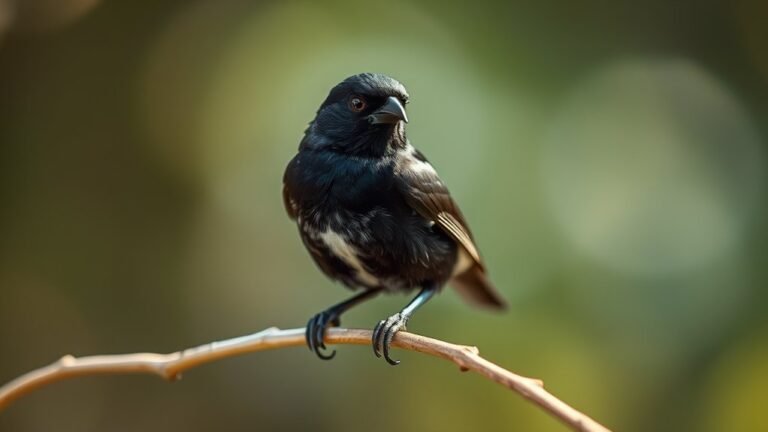
The small orange and black bird prefers temperate woodlands with dense shrubs. It often lives near water sources, where it finds insects and berries to eat. The bird's bright colors are easy to spot, especially during mating displays. Understanding what it eats and how it builds its nest is important. Several threats endanger its habitat. Conservation efforts can help protect this bird and its environment.
Key Takeaways
The small orange and black bird lives in temperate woodlands. It likes areas with dense trees and nearby water sources. This bird mainly eats insects and berries. It catches insects from leaves using a method called gleaning.
In late summer or early autumn, the bird migrates. It uses landmarks and stars to find its way. Male birds perform aerial displays to attract females and form pairs during courtship.
Conservation efforts are important to protect this bird's habitat. These efforts help prevent habitat loss and support the bird's survival.
The Habitat of the Small Orange and Black Bird
The small orange and black bird needs specific environmental conditions to thrive. It prefers temperate woodlands with ample tree cover and diverse underbrush for nesting.
These birds typically nest in dense shrubs or tree hollows, which offer protection from predators and harsh weather. They're found in eastern North America, where they like areas with both deciduous and coniferous trees.
Nearby water sources enhance their habitat and support a healthy ecosystem. Observing these birds in their natural habitat deepens your connection with nature and highlights the importance of conserving their environment.
Dietary Preferences and Feeding Habits
The small orange and black bird primarily eats insects and berries.
This bird is skilled at foraging. It searches through leaves to find insects, which it prefers during warm months. You may observe it moving quickly between branches. This technique is called gleaning, where it catches insects directly from leaves.
When late summer and fall arrive, it focuses on ripe berries. These fruits provide important energy. The bird prefers high-protein insects like caterpillars over seeds. This choice helps it survive and shows its important role in nature.
Seasonal Migration Patterns
As temperatures drop and food becomes scarce, the small orange and black bird begins its migration. It travels long distances to find warmer places and more food.
Individual birds start their journeys at different times, influenced by weather and food availability. Most birds leave in late summer or early autumn and follow familiar paths that can change slightly each year.
You can see their strong abilities as they use landmarks and stars to guide them. These birds often travel in loose groups, which helps keep them safe and move efficiently.
Unique Characteristics and Behavior
The small orange and black bird stands out because of its special courtship displays. Males perform impressive aerial maneuvers to attract females. These displays show their strength and help form strong pair bonds.
Their social interactions are also interesting. They often gather in small flocks, engage in playful activities, and exchange sounds, which strengthens their group unity.
Their bright feathers and confident body language during these moments grab attention. Watching these behaviors reveals their sense of community and highlights how these small yet striking birds adapt well to their surroundings.
Tips for Spotting the Small Orange and Black Bird
To increase your chances of spotting the small orange and black bird, follow these simple tips. First, try birdwatching in the early morning. These birds are most active at this time.
Look for them in areas with dense shrubs and tree canopies where they prefer to live. Using binoculars will help you see their colors and size clearly from a distance.
Pay attention to their unique calls and movements, as sound is important for finding them. Blend in with your surroundings to avoid disturbing the birds.
Keeping a journal of your sightings and their behaviors will help you learn more and feel more connected to the birdwatching community. Enjoy the process—it can be just as fulfilling as spotting the bird itself!
Common Species and Regional Variations
When you see small orange and black birds, remember that several species display these colors. Each has unique features and behaviors. Knowing where these birds live and how they adapt can improve your birdwatching.
- The Baltimore Oriole is common in eastern North America.
- The Black-vented Oriole is bright and found in subtropical areas.
- The Orange-crowned Warbler thrives in various habitats across the continent.
- The Blackburnian Warbler prefers coniferous forests and has unique migration patterns.
These birds show different traits based on their environments. By learning about these differences, you can appreciate their roles in nature and how they adapt to specific areas.
This knowledge will enhance your birdwatching experience.
Importance of Conservation and Habitat Protection
Small orange and black birds live in many types of habitats, but their populations face serious threats from habitat loss and environmental changes.
Conservation efforts are vital to help these birds. Habitat restoration creates safe spaces for them to thrive. By participating in local conservation projects, you protect their nesting areas and support the plants and animals that share these spaces.
Joining a community that cares about nature enhances biodiversity, making the ecosystem richer. Your actions can influence policies that focus on habitat protection.
This ensures that these colorful birds will continue to be part of our environment for years to come. Every contribution matters. Together, we can make a difference.
Frequently Asked Questions
What Are the Common Predators of the Small Orange and Black Bird?
Small orange and black birds face threats from various predators. Common predators include hawks, snakes, and domestic cats. These animals pose significant risks to their survival. Understanding these dangers helps us appreciate the importance of conserving these birds and their habitats. Protecting these small birds benefits the ecosystem as a whole.
How Long Do Small Orange and Black Birds Typically Live?
Small orange and black birds usually live three to five years. Their lifespan can change based on their environment and the level of predation they face. These factors can impact their survival compared to other bird species in similar habitats.
Do Small Orange and Black Birds Mate for Life?
Small orange and black birds show different mating behaviors. Some form long-term bonds with partners, while others may change partners. Their mating strategies depend on their surroundings and the availability of food and resources.
What Sounds or Songs Do Small Orange and Black Birds Make?
Small orange and black birds make a variety of sounds. They use different songs to communicate with each other. These songs can signal their territory and attract mates. Each bird has its own unique sound, contributing to the lively ecosystem around us. Listening to their melodies can be a delightful experience.
Are There Any Cultural Significances Associated With Small Orange and Black Birds?
Small orange and black birds hold significance in various cultures. They often represent mythological ideas and inspire artistic expression. Their vibrant colors evoke feelings of transformation and joy. In some traditions, these birds serve as symbols of warning. Their presence in stories and art highlights their importance in connecting people to different themes and emotions.

Kashvi is a passionate bird enthusiast and nature lover who has been fascinated by the world of birds for years. With a keen eye for detail and a love for learning, Kashvi is dedicated to sharing her knowledge and insights with fellow bird enthusiasts on Avian Enthusiasts. Through her engaging and informative articles, Kashvi aims to inspire others to join her in exploring the fascinating world of birds and to promote a deeper appreciation for these incredible creatures.