Bright Orange and Black Bird: Nature’s Palette
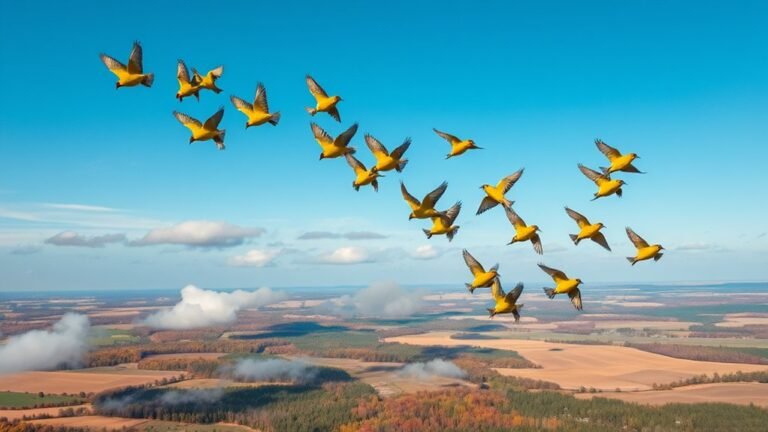
As you explore a tropical rainforest, a bright orange and black bird captures your attention. It sits among the green leaves, its colorful feathers reflecting the sunlight. You watch as it cleans its feathers, showcasing its vibrant colors. What do these striking colors mean? What stories do they hold in the quiet of the forest?
Key Takeaways
Bright orange and black birds represent creativity, strength, and elegance in nature. Their vibrant colors attract attention and enhance the beauty of their habitats. These birds use their colors to communicate with others, sharing information about their identity, social standing, and any potential threats.
They live in many environments, from tropical rainforests to dry savannas, often taking advantage of their colorful surroundings. During courtship, they display their bright feathers and make distinctive calls, highlighting their connections and affection.
These birds play essential roles in the ecosystem. They help with pollination and spread seeds, which supports biodiversity and maintains the health of their environments.
The Vibrant Colors of Bright Orange and Black Birds
When you see a bright orange and black bird in the trees, its colors grab your attention. The orange brings warmth and energy. It stands for joy and enthusiasm. The black adds mystery and sophistication. Together, they create a pleasing visual effect.
In many cultures, these colors have strong meanings. Orange often shows creativity and resilience. Black can stand for strength and elegance.
As you watch these birds, you notice they enhance the landscape and connect you to nature. Their stunning feathers remind you of the beauty of life and shared experiences.
Habitats and Distribution of These Stunning Avian Creatures
Bright orange and black birds live in many environments. You can find them in tropical rainforests and dry savannas. They often sit on colorful branches or fly over golden grasses.
In wetlands, they move quickly among the reeds. In mountain areas, they soar above high peaks. These birds adapt well to their habitats and show impressive resilience.
The colors of their surroundings match the brightness of their plumage. This connection draws you in and encourages you to explore the beautiful landscapes they inhabit.
The Role of Color in Bird Communication
Bright orange and black birds use their vibrant colors to communicate. Their striking plumage serves as clear visual signals.
These rich colors often symbolize important messages within their groups. A flash of orange against black can signal unity or a warning of danger. Each color reveals information about identity and social status, fostering connections among the birds.
Watching their lively interactions allows us to appreciate the beauty of these colors as they create a rich tapestry of communication and belonging among these feathered creatures.
Mating Rituals and Reproductive Strategies
Bright orange and black birds engage in impressive mating rituals.
Males display their vivid feathers through courtship movements. They hop between branches and show off their colors in the sunlight. Their mating calls fill the air, inviting potential mates to join.
Every movement and sound reflects their desire to connect. As sunlight sparkles on their feathers, the atmosphere is full of excitement.
This age-old ritual highlights the beauty of connection and love in nature.
Survival Tactics and Predator Avoidance
As the sun sets and shadows grow in the forest, bright orange and black birds use their survival skills to avoid danger.
Their striking colors have developed over time and serve an important function in keeping them safe from predators.
You watch as they move carefully and blend into the sunlit leaves around them.
This camouflage helps them stay hidden from hunters.
The vivid colors that catch your eye also tell a story of survival and community.
You feel a connection to these birds and recognize that every bright hue reflects their strength and the balance of life in nature.
The Ecological Importance of Colorful Birds
Bright orange and black birds aren't just beautiful; they've important roles in their ecosystems. Their vibrant colors show health, making them valuable indicators of ecological well-being.
You can see these birds moving quickly through trees, capturing insects or spreading seeds. This helps increase biodiversity in their habitat. Their keen color vision helps them find ripe fruits and navigate their surroundings, showing their evolutionary skills.
As they fly from flower to flower, they assist in pollination, which is vital for maintaining nature's balance. Observing these birds connects you to the intricate web of life on our planet. Every bright color represents life and energy in the wild.
Conservation Efforts to Protect Their Natural Habitats
As you walk through lush forests, you may see orange and black birds flying gracefully. Their sight reminds us of the important link between nature and conservation.
Groups work hard to preserve habitats and create smart conservation plans. Think of community programs where you can plant native trees or help restore wetlands, bringing life back to the land.
You'll feel proud knowing your actions have meaning and support a healthy ecosystem. Every effort matters, from helping to protect areas to sharing knowledge about sustainable practices.
Together with fellow nature lovers, you can ensure these beautiful birds thrive in their natural homes for many years to come.
Frequently Asked Questions
What Makes Bright Orange and Black Birds Unique From Other Bird Species?
Bright orange and black birds capture attention with their striking colors and distinct patterns. These birds showcase a natural beauty that adds excitement to birdwatching. Their vivid plumage often symbolizes energy and vitality, making them a favorite among nature enthusiasts. When you see one, the bright contrast in their feathers creates a joyful and memorable experience.
How Do These Birds Adapt to Urban Environments?
Birds adapt well to city life. They find places to nest in corners and spaces that are not typical. They search for food in gardens and even in trash bins. Their ability to thrive in cities adds color and sound to urban areas. These birds turn concrete spaces into lively environments.
Are There Any Myths Surrounding Bright Orange and Black Birds?
Bright orange and black birds appear in many myths. They often represent change and new beginnings. Their vivid colors catch our attention and inspire stories of love and transformation. These birds hold deep meanings in various cultures, connecting people through their symbolism.
What Is the Lifespan of These Colorful Avian Species?
The lifespan of colorful birds varies based on their health, habitat, and diet. These factors affect how long they live. Observing their beauty in nature can help you appreciate the importance of these details in their short lives.
How Do Climate Change Effects Impact Bright Orange and Black Birds?
As climate change progresses, bright orange and black birds face habitat loss. These birds struggle to adapt to their changed environments. Despite these challenges, their vibrant colors remind us of the beauty in nature. These creatures inspire hope and resilience in a world that is shifting rapidly.

Kashvi is a passionate bird enthusiast and nature lover who has been fascinated by the world of birds for years. With a keen eye for detail and a love for learning, Kashvi is dedicated to sharing her knowledge and insights with fellow bird enthusiasts on Avian Enthusiasts. Through her engaging and informative articles, Kashvi aims to inspire others to join her in exploring the fascinating world of birds and to promote a deeper appreciation for these incredible creatures.