
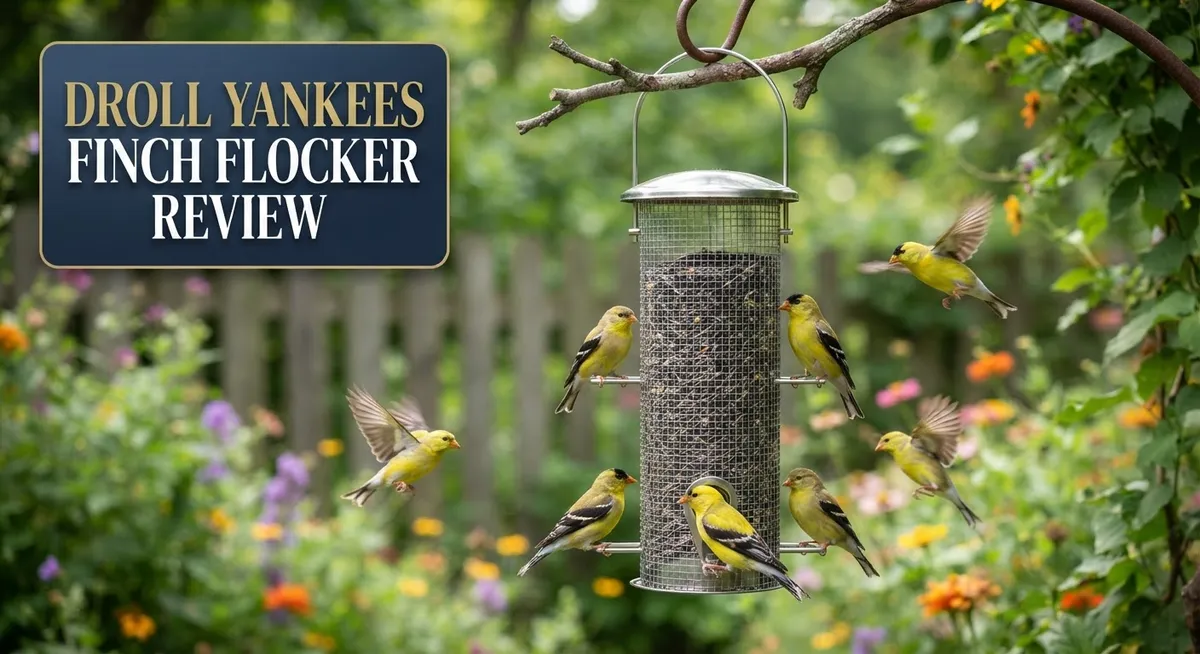
Droll Yankees Finch Flocker Review: Worth Your Money?
Finches bring color and life to any backyard. But getting them to visit takes the right feeder. That’s where the Droll Yankees Finch Flocker comes in.
This tubular feeder catches the eye with its bright yellow finish. It also gives you a clear view of every bird that stops by. Watching finches feed becomes part of the fun.
Many bird lovers pick this feeder for one big reason. It keeps squirrels, grackles, and starlings away. Your finches get to eat in peace.
Cleaning day does not need to be a chore either. The bottom pulls off with ease, so refilling and washing take just minutes.
Does it live up to the hype though? Some owners love how well it attracts finches. Others report issues with port holes and seed access.
This review breaks down everything you need to know. We will cover the real pros and cons from actual users. You will also see how it stacks up against other Droll Yankees models.
By the end, you will know if this feeder fits your backyard needs.
In a Nutshell
Here is the quick rundown of this feeder. Check these points before you decide.
-
Tubular design comes in sizes from 15 to 36 inches. You can pick a size that fits your yard space.
-
Seed capacity ranges from 1 to 10 lbs. Small yards or large flocks both get an option that works.
-
The clear body lets you watch finches feed. You can also spot low seed levels fast.
-
Pull off bottom makes cleaning simple. No tools needed for this part.
-
Some models come with metal ports and lids. These parts resist chewing from squirrels and other pests.
-
This feeder does a good job keeping grackles and starlings away. Finches get more access to the seed this way.
-
A few owners report port holes feel too small. Birds sometimes struggle to reach the seed inside.
-
Ratings show a mixed picture overall. Some users love it while others report issues with function.
This feeder brings strong perks along with a few quirks. Weigh both sides before buying one for your yard.
Design and Build Quality
The Finch Flocker stands out with its straightforward construction. This feeder uses a tubular body design that feels sturdy in your hands. The yellow finish isn’t just for looks—it helps you spot the feeder from across your yard and adds a pop of color to your garden space.
The clear plastic body gives you a real advantage. You can see exactly how much seed remains inside without opening anything. This means fewer surprises when you’re planning your next refill trip. The transparency also lets you watch finches eat, which many bird lovers find genuinely enjoyable.
Build quality shows attention to practical details. The pull off bottom works exactly like it sounds. You twist or pull, and the base comes free for easy access. This design choice makes cleaning far less frustrating than feeders where you struggle to reach every corner. Seed debris falls out quickly, and you can rinse the interior without wrestling with complicated parts.
Some Finch Flocker models feature metal ports and metal lids. These upgrades add durability to areas that take the most wear. The ports themselves connect to the seed chamber above. Here’s where owners report mixed experiences though. Several users mention that port holes feel snug for smaller finch beaks. Birds sometimes seem confused about accessing seed, which can lead to wasted time and frustration during feeding attempts.
The feeder comes in multiple sizes, from 15 inches up to 36 inches tall. This range lets you pick based on your space and how many finches visit your yard. Larger models hold more seed, so you refill less often. Smaller versions work well for limited spaces or as secondary feeders.
The construction resists rust and weathering reasonably well. The materials hold up through rain and sun exposure. However, durability depends partly on your climate and how often you perform maintenance. Regular cleaning extends the feeder’s lifespan significantly.
Overall, the Finch Flocker combines simple engineering with user friendly features. The design prioritizes easy cleaning and clear visibility over complicated mechanics.

- Attracts Finches and More: Happy Wings Nyjer thistle seeds attract finches, goldfinches, and other wild birds, providing...
- No Grow Formula: Happy Wings no-grow bird seed is designed to prevent sprouting, keeping outdoor spaces clean while...
- Rich in Protein and Fats: Happy Wings Nyjer seeds offer healthy fats and protein, supporting feather growth, energy, and...
Last update on 2026-10-13 / Affiliate links / Images from Amazon Product Advertising API
Seed Capacity and Viewing
The Finch Flocker’s seed capacity sits at a useful range. You can load between 1 and 10 lbs depending on which model you choose. Smaller 15 inch versions hold less seed, while the larger 36 inch models maximize capacity for frequent feeders.
The clear plastic body is one of this feeder’s strongest features. You see exactly how much seed remains without opening the feeder. This transparency lets you refill before the feeder runs completely empty, keeping your finches well fed throughout the day.
Viewing your finches while they eat becomes a real pleasure with this design. The yellow finish catches sunlight and creates a bright focal point in your yard. Finches stand out beautifully against the cheerful background as they perch and feed.
However, some owners report a viewing challenge. The port holes appear too small for comfortable seed access. Birds sometimes seem confused about where to feed, which defeats the purpose of clear visibility. This issue varies by model, so check reviews for your specific size before buying.
Seed clumping can happen under the ports over time. Moisture and seed dust combine to create blockages. When this occurs, your view of the remaining seed becomes less reliable. The pull off bottom helps you clean out clumps, but prevention requires regular maintenance.
The feeder’s design balances capacity with practicality. You get enough seed storage to reduce refilling frequency. Yet the tubular shape keeps weight manageable when full. This matters if you hang the feeder from a hook or shepherd’s crook.
Multiple size options mean you can match capacity to your feeding habits. Light feeders work fine with 15 inch models. Busy backyards with many finches benefit from the larger 36 inch capacity. Choose based on how often you want to refill and how many birds visit your yard.
The clear viewing window serves both you and your birds. You monitor food levels easily. Your finches access seed through properly positioned ports. This combination makes the Finch Flocker practical for everyday use.
Pest Deterrent Performance
The Finch Flocker excels at keeping unwanted birds away from your seed supply. Squirrels, grackles, and starlings struggle to access the ports, which means more seed reaches your finches instead.
The feeder’s design works because the port holes are sized specifically for small finch beaks. Larger birds cannot perch comfortably or reach the openings. This selective feeding approach keeps your finch population happy while reducing pest visits.
However, some owners report mixed results with pest deterrence. A few mention that determined squirrels occasionally find ways to shake loose seed from the bottom. This happens more often when the feeder is mounted on a weak pole or branch that bends easily.
Grackles and starlings typically give up quickly and move on to easier food sources. These aggressive birds prefer feeders with large openings and wide perches. The Finch Flocker’s narrow design frustrates them, which is exactly what you want.
One challenge emerges over time with pest deterrence. Seed clumping under the ports can create blockages. When this happens, birds get frustrated trying to access seed, and some may abandon the feeder entirely. Regular cleaning prevents this issue from becoming a real problem.
The feeder also deters pests through its clear plastic walls. Squirrels cannot see seed easily from a distance, so they skip it in favor of more obvious feeders nearby. This visual camouflage works surprisingly well as a passive deterrent.
Some owners note that the metal ports on premium models resist squirrel damage better than plastic versions. A determined squirrel can chew through plastic, but metal holds up under repeated gnawing attempts.
The bottom line is straightforward. The Finch Flocker performs well as a pest deterrent for most backyard situations. It keeps the biggest troublemakers away while letting finches feed freely. You will see fewer grackles and starlings around your yard, though no feeder offers 100 percent protection against all pests. Regular maintenance keeps the deterrent effect strong throughout the season.
Top 3 Alternatives
Nyjer Seed Feeder

- 【SQUIRREL-PROOF】 - It has no wood and no plastic, it’s all metal! The wire mesh design features a powder-coated...
- 【LARGE CAPACITY】 - Holds up to 2.5 lbs of seeds. It could be filled with nyjer/thistle seeds to attract finches...
- 【EASY TO REFILL & CLEAN】 - No assembly required and does not require any tools to gain access to the inside for...
Last update on 2026-08-29 / Affiliate links / Images from Amazon Product Advertising API
The Nyjer Seed Feeder works well for attracting finches to your yard. This feeder holds small black seeds that finches love to eat. The design keeps seeds fresh and dry during rainy weather.
Small perches let finches land easily and feed comfortably. Many models feature mesh sides that allow birds to pull seeds out naturally. The feeder hangs from a sturdy hook or pole mount.
Cleaning is simple because most versions come apart easily. You can refill it quickly when seeds run low. Finches return often because they prefer nyjer seeds over other food options.
Perky-Pet Finch Feeder

- Offers more feeding angles than standard finch ports
- Dual perch positions allow right-side-up and upside-down feeding
- Six feeding stations with Flexports prevent seed clogging

Last update on 2026-07-24 / Affiliate links / Images from Amazon Product Advertising API
The Perky-Pet Finch Feeder offers a reliable way to feed goldfinches and other small birds. This feeder uses bright yellow or red colors that attract finches immediately. The design includes multiple feeding ports around the base.
The feeder holds a good amount of seed before needing refills. Durable plastic construction handles wind and weather well. Perches position birds comfortably while they eat.
Disassembly takes just minutes for thorough cleaning. The wide base catches spilled seeds and keeps your deck or patio clean. Finches enjoy visiting this feeder daily during feeding season.
Aspects Thistle Feeder

- BACKYARD BIRDING - Pair of tube style feeders provides vintage allure to your bird sanctuary. Ideal for backyard birding...
- BACKYARD BIRDING - Each feeder features ten ports, each with a perch to give plenty of dining and resting space for...
- SIZED FOR USE - Each feeder holds 1.25 quarts of nyjer seed in a clear, UV stabilized, polycarbonate tube. The material...
Last update on 2026-07-24 / Affiliate links / Images from Amazon Product Advertising API
The Aspects Thistle Feeder provides another solid option for finch lovers. This feeder specializes in holding thistle seed, which finches find irresistible. The clear plastic tube lets you see seed levels easily.
Multiple feeding ports allow several birds to eat at once without fighting. The design prevents seed from getting wet or moldy inside. A sturdy cap keeps everything sealed tight.
Hanging this feeder takes seconds with the included hardware. Finches will discover it quickly and return regularly. The feeder works in all seasons and weather conditions.
Assembly and Maintenance
Getting your Finch Flocker ready takes minimal effort. The feeder arrives largely assembled, so you skip the frustration of complex setup steps. You simply attach the bottom port and secure the lid, then fill with seed.
The pull-off bottom design makes cleaning straightforward. You remove it by hand without tools. Rinse the interior thoroughly under running water to prevent seed debris buildup. This simple access point keeps maintenance quick and hassle-free.
Pay attention to port alignment during assembly. Make sure each port sits flush with the tube opening. Misaligned ports can cause seed to jam or prevent birds from accessing food easily. A quick visual check before filling prevents feeding problems later.
The metal components on premium models require minimal upkeep. Wipe them dry after cleaning to prevent moisture spots. The clear plastic body wipes clean with a soft cloth. Avoid abrasive scrubbers that can scratch the viewing surface.
One maintenance challenge emerges over time. Seed clumping can develop under the ports when moisture builds up inside. Empty the feeder completely every two weeks and dry the interior with a cloth. This stops mold growth and keeps seed flowing smoothly to the ports.
Check ports monthly for blockages. Small seed fragments sometimes lodge in the openings, limiting bird access. A soft brush clears these quickly. This simple step ensures your finches eat without frustration.
Store your feeder indoors during extreme weather. While the construction resists rust and weathering, harsh winter conditions or heavy rain can speed up wear. Moving it to shelter during storms extends its lifespan significantly.
The lid screws on securely to keep rain out between uses. Tighten it firmly but avoid over-tightening, which can crack the plastic. Loosen it gently when you refill to prevent damage.
Regular maintenance takes just minutes per month. The straightforward design means no special tools or complicated procedures. You spend more time watching finches than maintaining the feeder itself. This practical approach makes long-term ownership genuinely simple and rewarding.
Compatibility with Bird Species
The Droll Yankees Finch Flocker works best with small finch species. Goldfinches, house finches, and purple finches thrive with this feeder. The port holes are sized specifically for their smaller beaks.
Larger birds struggle to access the seed. Grackles and starlings typically give up quickly when they encounter the Finch Flocker. Their bigger beaks cannot manipulate the small ports effectively. This natural sizing barrier keeps unwanted visitors away from your finch food.
Some owners report that chickadees can access the ports with patience. Nuthatches may also figure out the feeding mechanism over time. If you want a feeder exclusively for finches, you’ll get better results with this model than with open platform designs.
The tubular design matters for compatibility. Small perches sit directly beneath each port. Finches land naturally and feed comfortably. Larger birds find the perches too cramped or awkward for their body size. This design feature works in your favor when you want species specific feeding.
However, a compatibility challenge exists with the port size. Some owners report that their finches initially struggled to access seed through the holes. Birds may peck around the ports before understanding how to extract food. This learning curve typically resolves within a few days as finches adapt to the feeding mechanism.
Seed type affects species compatibility too. Nyjer seed (thistle) flows through the ports more reliably than sunflower chips. Finches prefer nyjer anyway, so this pairing works naturally. If you use mixed seed blends, you may see occasional port blockages that prevent smaller birds from feeding.
The clear plastic body helps finches locate the ports. They can see the seed inside and find the feeding holes more easily. This visibility advantage makes the transition smoother for new birds discovering the feeder.
Consider your local bird population before purchasing. If you have many grackles, starlings, or house sparrows, the Finch Flocker will serve you well. If you want to feed multiple species, a different feeder style may suit your needs better.
Pros and Cons
The Droll Yankees Finch Flocker brings real benefits to finch lovers, but it also has some drawbacks worth understanding before you buy.
Strong advantages start with pest control. The feeder keeps most unwanted visitors away from your seed. Squirrels lose interest quickly. Grackles and starlings move on to easier options elsewhere. This selective feeding means your finches get the food you intended for them, not competing birds.
The clear plastic walls let you watch your seed levels drop. You know exactly when refilling time arrives. Assembly takes just minutes without tools or confusion. The pull off bottom makes cleaning fast and simple. Metal ports on premium models stand up to squirrel teeth better than plastic alternatives.
However, some real concerns emerge. Port holes sometimes feel too small for seed flow. Finches occasionally seem confused about accessing the openings. Seed can clump under the ports, creating blockages that frustrate both birds and owners. This maintenance challenge pops up more often than many users expect.
Mixed customer ratings reflect these trade offs. Some owners report excellent results with their finch flocks. Others find the feeder underperforms compared to expectations. The port sizing issue appears frequently in owner feedback across different platforms.
Compatibility matters too. The feeder works best with small finch species like goldfinches and house finches. Larger birds struggle with the port design. Chickadees can access the seed with patience, but they’re not the primary target. Nyjer seed flows through ports more smoothly than sunflower seeds, so seed choice affects performance.
Weather protection deserves mention. The secure lid keeps rain out between uses. Store your feeder indoors during extreme weather to extend its life. Monthly port checks prevent blockages before they become problems.
The Finch Flocker succeeds at attracting finches while blocking pest birds. The trade off involves occasional maintenance and seed flow challenges. If you’re willing to monitor port conditions and use the right seed type, this feeder delivers reliable finch feeding. If you want a completely hands off solution, you might explore other options first.
Who Should Buy It
The Droll Yankees Finch Flocker works best for finch enthusiasts who want a focused feeding solution. If you love watching goldfinches and house finches visit your yard, this feeder delivers.
You should buy it if you struggle with unwanted visitors at your current feeder. Grackles, starlings, and squirrels typically abandon this design quickly. The small ports and lightweight construction naturally exclude larger birds. This makes it ideal for people tired of pest birds stealing seed meant for finches.
Homeowners seeking low maintenance appeal will appreciate the pull-off bottom and straightforward cleaning process. No complex parts or special tools needed. Monthly port checks take just minutes, and the clear plastic lets you monitor seed levels without opening anything.
This feeder suits yards with multiple feeding stations. Many finch lovers keep one Finch Flocker alongside other feeders for different species. The tubular shape fits standard shepherd’s hooks or hangers, so placement flexibility matters less than compatibility.
You might skip this if your finches struggle with small port sizes. Some birds need time to learn the feeding pattern. If you’ve had success with other tubular feeders, this one works similarly. However, if your finches seem confused by tiny openings, consider alternatives first.
Nyjer seed users will find better results than sunflower seed users. The thistle seed flows more reliably through the ports. If you prefer sunflower seed exclusively, port clumping becomes a real maintenance issue over time.
Buyers in areas with harsh weather should note that storing this feeder indoors during extreme conditions extends its life. The clear plastic handles normal rain well, but prolonged exposure to ice or heavy snow requires protection.
Choose this feeder if you value pest control over maximum seed capacity. The smaller 1 to 10 pound range suits finch feeding rather than high volume operations. You get selective feeding plus easy maintenance in one package.
This is your feeder if finch watching ranks higher than accommodating all bird species. The focused design philosophy means trade offs exist, but committed finch lovers consistently find the benefits outweigh the drawbacks.
Final Verdict
The Droll Yankees Finch Flocker earns its place as a solid choice for specific bird lovers. It does one job well. It attracts finches while keeping bigger, unwanted birds away.
This feeder is not for everyone, though. Your specific needs will determine if this product fits your yard.
If you host mostly goldfinches or house finches, this feeder rewards you. These birds adapt to the port size quickly. They will visit often once they learn the setup.
If squirrels or grackles plague your current feeder, this product solves that problem. The design naturally blocks larger, aggressive birds. You get peace of mind along with happier finches.
Cleaning fans will also appreciate this feeder. The pull-off bottom makes maintenance simple. You spend less time scrubbing and more time watching birds.
However, think twice if you feed a wide variety of birds. Chickadees and other visitors may struggle with the ports. This could limit your feeder’s overall appeal.
Nyjer seed users get the best results here. Sunflower seed users often face more frustration with clogging and access issues. Consider your seed type before buying.
Weather also plays a role in your decision. Extreme conditions can shorten this feeder’s lifespan. Indoor storage during harsh months helps protect your investment.
Overall, this feeder rewards patience and the right setup. It is not a universal solution for every backyard. It shines brightest for dedicated finch enthusiasts.
Think about your typical visitors before making a final choice. Match your seed type and bird population to this feeder’s strengths. This simple step prevents disappointment later.
For finch focused feeding stations, this product delivers real value. It combines pest control with easy maintenance. Just set realistic expectations based on your specific backyard conditions.
In the end, the Droll Yankees Finch Flocker works best as a targeted solution. It is not a catch all feeder for every species. Choose it if finches are your priority and you can commit to Nyjer seed for best results.
Frequently Asked Questions
Will the Finch Flocker work with sunflower seeds?
The Finch Flocker performs better with nyjer seed than sunflower seed. Sunflower seeds are larger and heavier, which can cause clumping issues under the ports. Nyjer seed flows more smoothly through the feeder’s design.
If you prefer sunflower seeds, consider a different feeder model. The port holes on this feeder suit smaller seeds best.
Can squirrels and grackles access this feeder?
No, the Finch Flocker does an excellent job keeping squirrels and grackles out. The feeder’s tubular design and small port openings deter these pest birds effectively.
This is one of the main strengths of this model. If unwanted visitors plague your yard, this feeder solves that problem.
How easy is it to clean?
Very easy. The pull off bottom makes cleaning straightforward and quick. You can empty old seed and rinse the feeder without tools or complicated steps.
Regular cleaning keeps the feeder in good shape and prevents seed mold. Most owners appreciate this simple maintenance process.
What finch species work best with this feeder?
Goldfinches and house finches perform best with the Finch Flocker. These small finch species navigate the port holes easily and feed comfortably.
Larger bird species may struggle with the small openings. Focus on finch specific feeding if you want the best results from this model.
Does this feeder offer weather protection?
The clear plastic walls protect seed from direct rain to some degree. However, the feeder lacks a full rain awning like some competitor models.
In harsh weather, consider storing this feeder indoors temporarily. This extends its lifespan and keeps your seed dry.

Kashvi is a passionate bird enthusiast and nature lover who has been fascinated by the world of birds for years. With a keen eye for detail and a love for learning, Kashvi is dedicated to sharing her knowledge and insights with fellow bird enthusiasts on Avian Enthusiasts. Through her engaging and informative articles, Kashvi aims to inspire others to join her in exploring the fascinating world of birds and to promote a deeper appreciation for these incredible creatures.
