How to Stop Birds From Pooping on Your Car: Proven Tips
Bird droppings on your car can be annoying and harmful. To prevent this issue, it helps to understand bird habits. You can use several effective strategies, such as choosing a good parking location and using reflective items. Before deciding which method to use, consider how each one fits your lifestyle and surroundings. Let's look at these options to find the best solution for you.
Key Takeaways
- Park your car away from trees, power lines, and open grassy areas to reduce the chance of bird droppings.
- Use a car cover to protect your vehicle and clean it regularly to avoid dirt buildup.
- Utilize reflective materials like aluminum plates or reflective tape. These create light reflections that can deter birds.
- Install bird deterrents such as spikes or ultrasonic repellents. These help to keep birds from landing on your car.
- Maintain cleanliness around your parking area. This makes your location less attractive to birds.
Understand Bird Behavior

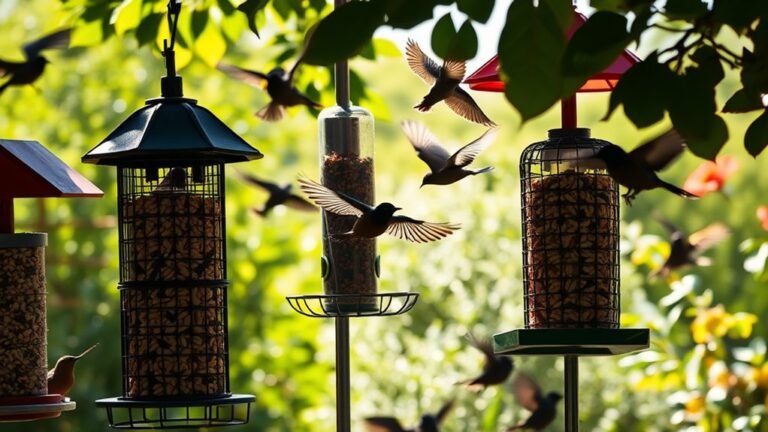
To effectively deter birds from pooping on your car, understanding their behavior is essential. Birds are attracted to areas where food is readily available, often due to bird feeding activities nearby. If you or your neighbors leave out seeds or breadcrumbs, it's likely you'll see more birds around.
Additionally, pay attention to their nesting habits; they typically nest in trees, eaves, or shrubs close to the ground. Areas with active nests can become frequent spots for droppings.
Choose the Right Parking Spot
Selecting the right parking spot can considerably reduce the chances of bird droppings on your car. Aim for ideal locations away from trees, power lines, or open grassy areas, as these are prime spots for birds to perch and roost.
When you park near buildings, consider how their architecture might deter birds from nesting close by. Use parking strategies like choosing spaces in garages or those under cover.
If you're in an outdoor lot, look for areas that are less trafficked, as birds tend to congregate in busier spots.
Use Car Covers

A good car cover can be an effective shield against bird droppings, providing a simple yet practical solution for car owners.
There are various car cover types available, from full-sized covers that offer maximum protection to lightweight options designed for quick use. Choose one based on your storage needs and local environment.
For ideal results, make sure to follow maintenance tips, like cleaning your cover regularly to prevent dirt buildup and checking for tears that could compromise its effectiveness.
Employ Reflective Materials
While a car cover provides excellent protection against bird droppings, employing reflective materials can serve as an effective additional measure.
By utilizing reflective surfaces around your parking area, you can create an environment that deters birds. Light reflections from these materials can disorient birds, making your car less appealing as a resting spot.
Consider installing reflective foil or using shiny objects, like aluminum plates, to maximize this effect. You might also hang reflective tape from nearby structures.
Not only does this approach enhance your car's protection, but it also expresses your commitment to maintaining your vehicle's appearance.
Install Bird Deterrents

To effectively keep birds at bay, installing bird deterrents is a practical solution you shouldn't overlook.
Bird spikes are an efficient way to thwart birds from landing on your vehicle. These physical barriers make it difficult for them to perch, which can dramatically reduce the chances of droppings.
Another option is ultrasonic repellents, which emit high-frequency sounds that are uncomfortable for birds but inaudible to humans. Placing these devices around your parking area creates an unwelcoming environment for birds.
Not only do these deterrents protect your car, but they also contribute to an overall sense of belonging in a community that values cleanliness and care for personal property.
Choose one or combine both methods for the best results.
Keep Your Car Clean
Keeping your car clean not only enhances its appearance but also acts as a deterrent to birds. Regular car cleaning is essential because birds are attracted to dirt and debris, which can signal potential nesting sites.
To minimize their interest, establish a routine maintenance schedule where you wash your car every one to two weeks. Focus on the exterior, but don't neglect the interior; crumbs and food remnants may attract birds as well.
Using a high-quality wax can create a smooth surface, making it less appealing for birds to land. Additionally, remove any bird droppings promptly to avoid creating a permanent scent marker.
Following these maintenance tips will help keep your car pristine and less attractive to our feathery friends.
Seek Professional Help if Necessary
If you've tried various DIY methods to prevent birds from targeting your car without success, seeking professional help may be your best option.
Professional services specializing in bird control can offer targeted solutions that effectively address your issues. These experts understand bird behavior and can install deterrents that are both humane and effective.
They're equipped to assess your particular situation, whether it's parked near a high-density roost or under a tree attracting unwanted visitors.
Collaborating with professionals not only saves you time and frustration but also helps guarantee a long-term solution that fits your car care routine.
Don't hesitate to reach out; taking proactive measures can lead to a cleaner car and peace of mind.
Frequently Asked Questions
Are Certain Car Colors More Likely to Attract Bird Droppings?
Certain car colors can attract bird droppings. Bright colors, such as white and red, may draw birds who are looking for food. This can lead to an increased chance of droppings on your car. If you want to reduce this problem, consider choosing darker car colors.
Can Feeding Birds Near My Car Cause More Droppings?
Feeding birds near your car can lead to more droppings, as birds will connect that area with food. To reduce this issue, move your feeding station to a location away from where you regularly park. This simple change can help keep your car cleaner and discourage birds from visiting too close.
Do Specific Bird Species Poop More Frequently on Cars?
Certain bird species, such as pigeons and sparrows, often leave droppings on cars. These birds tend to frequent areas where they find food. If you park near their feeding spots, you might notice more droppings on your vehicle.
How Can Seasonality Affect Bird Poop on Cars?
Seasonality affects bird poop on cars through migration patterns and nesting seasons. During migration, birds travel in large groups and may gather around areas with vehicles. This can lead to more droppings on cars. The peak of nesting season also increases bird activity. Understanding these times can help you predict and reduce the mess on your vehicle. Knowing when to expect more bird activity can help you take steps to protect your car from droppings.
Will Bird Deterrents Damage My Car's Exterior?
Bird deterrents generally do not damage your car's exterior. However, it is important to choose bird deterrent methods that are safe for your vehicle's finish. Research materials to ensure they will not harm your car's paint or surface. This way, you can protect your car without worrying about damage.

Kashvi is a passionate bird enthusiast and nature lover who has been fascinated by the world of birds for years. With a keen eye for detail and a love for learning, Kashvi is dedicated to sharing her knowledge and insights with fellow bird enthusiasts on Avian Enthusiasts. Through her engaging and informative articles, Kashvi aims to inspire others to join her in exploring the fascinating world of birds and to promote a deeper appreciation for these incredible creatures.