Author: Kashvi

Kashvi is a passionate bird enthusiast and nature lover who has been fascinated by the world of birds for years. With a keen eye for detail and a love for learning, Kashvi is dedicated to sharing her knowledge and insights with fellow bird enthusiasts on Avian Enthusiasts. Through her engaging and informative articles, Kashvi aims to inspire others to join her in exploring the fascinating world of birds and to promote a deeper appreciation for these incredible creatures.
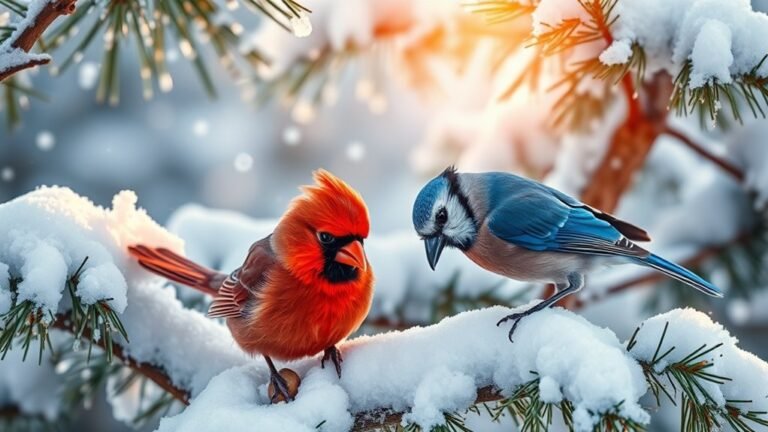
  • How Birds Survive Winter: Adaptations and Behaviors

    As winter arrives, birds face many challenges to survive. They use various adaptations and behaviors to cope with the cold. These include changing their eating habits and finding safe places to rest. Each strategy is vital for their survival. Learning about these methods shows how resilient birds are and highlights their connection to the environment. Why do birds adapt this way, and how does each species handle winter’s difficulties?
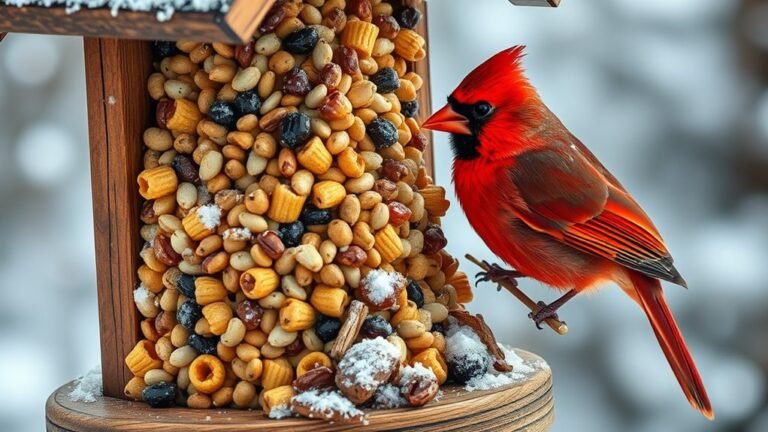
  • Best Winter Food for Birds: Seeds, Suet, and More

    Feeding birds in winter is important for their survival. Birds need high-energy food to stay warm. Black oil sunflower seeds, suet, fruits, and nuts are great options. These foods can attract many bird species. Knowing how to choose and care for these food sources will create a lively winter habitat for birds. Let’s look at what winter birds need to eat and their favorite foods.

  • Los Angeles Hummingbird Rescue: Protecting Pollinators One Wing at a Time

    Hummingbirds are vital to urban ecosystems. They help pollinate plants in your backyard and nearby areas. However, their populations face many threats. Organizations like Los Angeles Hummingbird Rescue help these birds. They rescue injured hummingbirds and educate the community about their importance. This awareness benefits you and your neighborhood. By valuing these creatures, you support a healthier environment for all. Join the effort to protect these tiny pollinators today.

  • Florida Grasshopper Sparrow Conservation Efforts Explained

    The Florida Grasshopper Sparrow is critically endangered. Its conservation faces many challenges. Key threats include habitat loss and predation. Government agencies, non-profit organizations, and local communities are working together to restore habitats and implement breeding programs. However, the effectiveness of these strategies and the long-term sustainability of the species remain uncertain. Recent findings in these conservation efforts provide insights into what is working and what needs improvement. What are the latest updates on these important initiatives?

  • Phoenix Bird Rescue: Helping Injured Wildlife Thrive

    When you find an injured bird, you may feel unsure about what to do. Organizations like Phoenix Bird Rescue help in these situations. They focus on healing both the body and mind of each bird. They use proven methods in wildlife rehabilitation that help birds recover fully. Learning about these techniques can increase your understanding of their importance in nature. The next steps in their rehabilitation process might surprise you.

  • Exotic Bird Rescue of Oregon: Saving Parrots and More

    Exotic Bird Rescue of Oregon helps abandoned exotic birds, especially parrots. They assess each bird’s health and create recovery plans. This approach improves the well-being of the birds in their care. The organization balances the needs of each bird with the aim of finding them loving homes. They achieve this through clear missions and ongoing education efforts in the community. Exotic Bird Rescue of Oregon not only cares for birds but also raises awareness. They educate the public about proper bird care and the responsibilities of ownership. This helps prevent future abandonment and promotes informed decisions among potential pet owners. The combination of direct care and community outreach ensures that both the birds and the community benefit.

  • Rare Red Birds and Their Unique Charm

    When you see a rare red bird like the Scarlet Tanager or Vermilion Flycatcher, it brings a sense of joy. Their bright colors and fascinating behaviors captivate observers, showing the wonder of nature. These beautiful birds require specific habitats to survive, which raises important concerns about their future. We must ask ourselves how we can help protect them. Taking action to conserve their habitats will ensure these stunning birds continue to fly in our skies. Simple steps, like supporting conservation efforts and reducing habitat loss, can make a difference. Your efforts can help preserve the charm of these rare red birds for future generations.

  • Cute and Colorful: Exploring Beautiful Exotic Birds

    Exotic birds showcase stunning colors and unique features. Macaws display bright feathers, while hummingbirds flit gracefully from flower to flower. Each species highlights nature’s creativity. Watching these birds also reveals their behaviors, showing how they adapt and survive. These beautiful creatures tell fascinating stories about their homes and the challenges they face in nature. Observing their lives raises questions. What do their colors mean? How do they find food and shelter? Exploring these topics deepens our understanding and appreciation of exotic birds.

  • Love Rare Beautiful Birds? Here Are the Most Stunning Species

    If you admire beautiful and rare birds, you will enjoy learning about some stunning species. The Harpy Eagle is impressive with its large wingspan. The Mandarin Duck showcases vibrant colors in its feathers. Discover the unique Wilson’s Bird-of-Paradise with its intriguing features. The Hyacinth Macaw is also a sight to behold with its bright blue feathers. Let’s dive into the details of these amazing birds and see what makes them special.

  • Pennsylvania Rare Bird Alert: What’s Happening This Week?

    This week in Pennsylvania, birdwatchers are excited about rare bird sightings. The endangered Peregrine Falcon is among the migratory birds that have returned, offering a great opportunity for observation. Presque Isle State Park is one of the best locations for spotting these birds. To increase your chances of seeing them, consider the following tips: 1. **Visit Early**: Birds are most active in the early morning. 2. **Use Binoculars**: A good pair of binoculars can help you see distant birds clearly. 3. **Stay Quiet**: Noise can scare birds away. Keep your movements slow and calm. 4. **Look in Different Habitats**: Explore various areas, such as wetlands and woodlands. 5. **Join a Group**: Birdwatching groups can provide support and share tips. Enjoy your birdwatching adventure this week!