Birds Info

  • Where Do Birds Go in Winter? Migration Patterns Explained

    As winter approaches, you may notice fewer birds in your yard. Many birds migrate to warmer areas during this time. Migration is a survival strategy influenced by daylight and temperature changes. These factors prompt birds to travel thousands of miles. Birds face various challenges during migration. They encounter changing weather, scarce food, and obstacles like buildings and highways. Despite these difficulties, birds show impressive adaptability to new environments. Understanding where birds go in winter highlights the need to protect their migratory routes. Preserving these paths is crucial for their survival and well-being. This knowledge can also deepen your appreciation for these amazing creatures.

  • Winter Bird Feeding Tips for Your Backyard Sanctuary

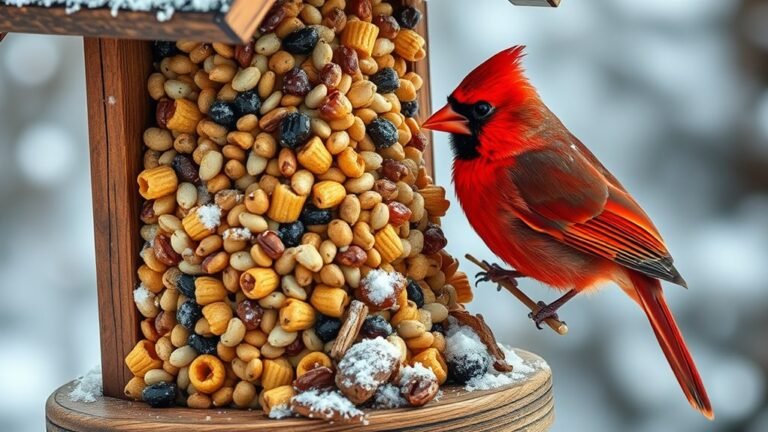
    To create a backyard sanctuary for winter birds, start by offering high-energy foods. Suet and sunflower seeds provide essential nutrition for their survival during the cold months. Next, think about feeder placement. Place feeders in visible, quiet areas to attract different bird species. Make sure to keep your feeders clean and well-stocked. Regular maintenance is crucial to keep the birds coming to your yard. Consider these strategies: 1. **Offer a Variety of Foods**: Different birds prefer different foods. Include seeds, nuts, and fruit in addition to suet. 2. **Use Specialized Feeders**: Some feeders attract specific species. Research which feeders work best for the birds in your area. 3. **Create Shelter**: Add bushes and trees near your feeders. Birds need safe places to rest and hide from predators. 4. **Provide Water**: Keep a birdbath filled with fresh water. In winter, add a heater to prevent freezing. By implementing these strategies, you will enhance your backyard sanctuary. It can become a lively spot where birds thrive, adding joy to your winter days. Enjoy watching the diverse wildlife you attract!

  • Common Winter Birds in Michigan: Snow Buntings to Owls

    In Michigan’s winter, many bird species thrive despite the cold. Snow Buntings search for seeds while Great Horned Owls hunt at dusk. Each bird contributes to the ecosystem. Their adaptations make winter an exciting time for birdwatchers. You can observe many unique birds during this season. Which species do you find most interesting?

  • How Birds Survive Winter: Adaptations and Behaviors

    As winter arrives, birds face many challenges to survive. They use various adaptations and behaviors to cope with the cold. These include changing their eating habits and finding safe places to rest. Each strategy is vital for their survival. Learning about these methods shows how resilient birds are and highlights their connection to the environment. Why do birds adapt this way, and how does each species handle winter’s difficulties?

  • Best Winter Food for Birds: Seeds, Suet, and More

    Feeding birds in winter is important for their survival. Birds need high-energy food to stay warm. Black oil sunflower seeds, suet, fruits, and nuts are great options. These foods can attract many bird species. Knowing how to choose and care for these food sources will create a lively winter habitat for birds. Let’s look at what winter birds need to eat and their favorite foods.

  • Birds of Georgia: 12 Most Beautiful Species

    Georgia has a rich variety of birds, showcasing vibrant colors and interesting behaviors. The Northern Cardinal stands out with its bright red plumage, while the Barn Owl often hides in shadowy places. Each bird plays an important role in the local ecosystem. Learning about these twelve beautiful birds helps us understand their importance and the conservation challenges they face. This journey into the lives of Georgia’s birds encourages us to appreciate nature and take steps to protect these remarkable species.

  • Birds of Montana: 12 Species Guide With Photos

    In Montana, you can see remarkable birds like the Bald Eagle and the Mountain Bluebird. These species adapt well to different habitats, showing how they connect with their surroundings. Each bird, from the singing Western Meadowlark to the secretive Barn Owl, plays an important role in Montana’s ecosystem. By learning about their behaviors and habitats, you can gain a deeper appreciation for them. This guide reveals the exciting discoveries that await you as you explore the birds of Montana.

  • DIY Cardinal Bird Feeders: 7 Easy Steps

    To attract cardinals to your backyard, making a DIY bird feeder is a great choice. First, gather the materials you need. Next, pick a good spot for your feeder to watch the birds. As you build your feeder, include features that cardinals like to ensure they want to visit. Ready to create a welcoming space for these colorful birds? Let’s look at the important steps to get started.

  • 8 Ways to Stop Cardinals From Attacking Windows

    If cardinals are attacking your windows, you are not alone. This behavior is frustrating for both the birds and homeowners. Fortunately, simple strategies can help reduce this issue. By implementing a few actions, you can create a safer space for the cardinals and protect your windows. Let’s look at practical solutions that can help.

  • 10 Blue Birds in Washington State Guide

    Washington State is home to many blue birds that capture the attention of birdwatchers and nature lovers. This guide highlights 10 notable species. 1. **Mountain Bluebird**: The Mountain Bluebird is known for its bright blue color. It inhabits open areas and grasslands. 2. **Western Bluebird**: The Western Bluebird is social and often found in pairs or small groups. It prefers woodland edges and open fields. 3. **Violet-green Swallow**: This swallow is recognized for its distinctive green and white plumage. It flies swiftly and often catches insects in mid-air. 4. **Eastern Bluebird**: Although less common in Washington, the Eastern Bluebird can be seen in some areas. It has a rounded body and a cheerful song. 5. **Blue Jay**: The Blue Jay is bold and loud. This bird is easily identified by its blue crest and black necklace. 6. **Barn Swallow**: The Barn Swallow has a sleek body with long, pointed wings. It nests near human structures and is known for its aerial agility. 7. **Indigo Bunting**: The Indigo Bunting is a bright blue bird that migrates to Washington in the summer. It prefers open woods and fields. 8. **California Scrub-Jay**: This jay often forages on the ground and is recognized for its blue and gray feathers. It has a curious nature. 9. **Lazuli Bunting**: The Lazuli Bunting appears in spring and summer. Its striking blue color makes it a favorite among birdwatchers. 10. **Tree Swallow**: The Tree Swallow is known for its iridescent blue-green back. It often gathers at ponds and lakes. Understanding these species can enhance your enjoyment of Washington’s birdwatching experiences. Keep your eyes and ears open as you explore the beautiful landscapes of the state.