
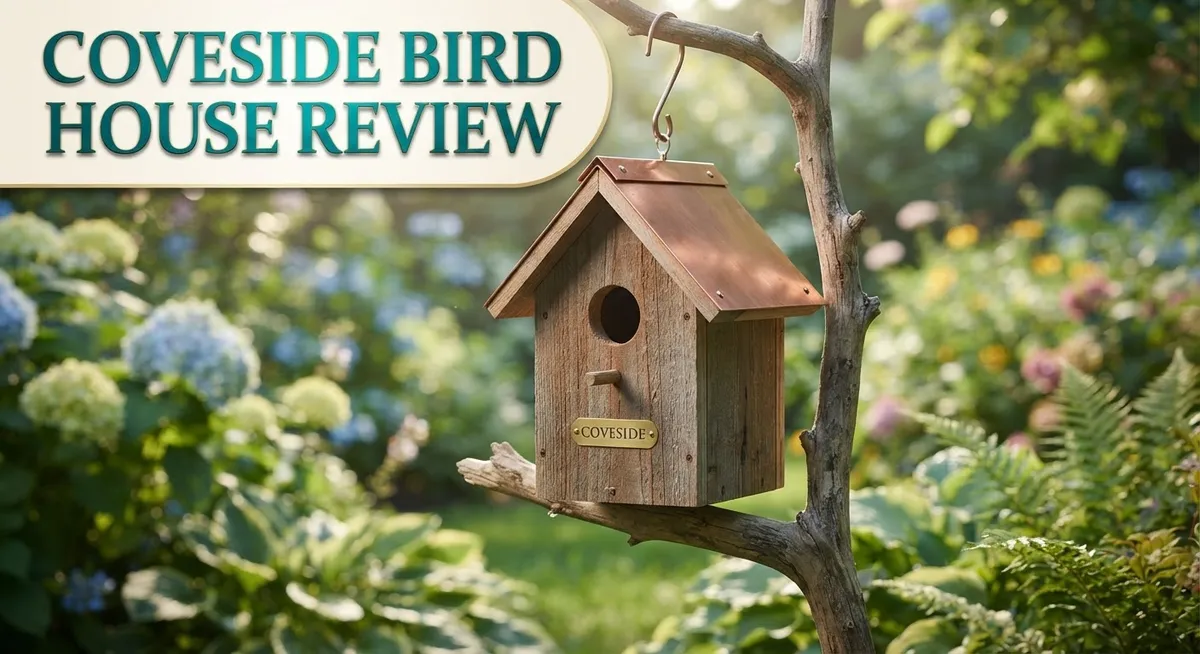
Coveside Bird House Review: Natural Wood Nesting Boxes for Backyard Birds
Are you looking for a safe home for wild birds in your backyard? Coveside Bird House might be the answer you need.
This brand builds houses from eastern white pine. Wood keeps birds warm in winter and cool in summer.
Coveside offers many models. You can find homes for Eastern Bluebirds, Barred Owls, Barn Owls, and even Kestrels. They also make squirrel houses and window nest boxes.
Some designs work as nesting boxes in spring. The same house becomes a winter roost later. This dual function adds real value for backyard wildlife lovers.
Mounting options include suction cups and post or fence attachments. You get flexibility based on your yard setup.
In this review, we will explore what makes Coveside houses special. We will also point out a few drawbacks to consider before you buy.
In a Nutshell
Coveside Bird House stands out for its craft and purpose. Here is a quick summary of what you need to know.
-
Built to last: Each house uses solid eastern white pine. This wood keeps birds warm in winter and cool in summer.
-
Many choices: You can pick from bluebird boxes, owl houses, kestrel homes, and even squirrel houses. There is a design for almost every backyard need.
-
Dual purpose: Some models switch between a nesting box and a winter roost. This gives birds shelter all year round.
-
Flexible setup: You can mount these houses with suction cups or attach them to posts and fences. This makes placement easy in different spots.
-
Handcrafted quality: Each piece shows real attention to detail. You can feel the difference in build quality.
-
Some drawbacks exist: Cleaning out old nests can be tricky. Mounting some models also takes extra effort. Entrance holes may not suit the smallest songbirds.
Overall, Coveside offers a thoughtful option for anyone who wants to support wild birds. Its variety and craftsmanship make it worth a look.
Wood Construction and Material Quality
Eastern white pine stands as the foundation of every Coveside Bird House. This wood choice matters because it offers real benefits for the birds living inside. Pine provides natural insulation during harsh winters and keeps interiors cool when summer heat arrives.
The wood arrives in solid form, not as thin plywood or composite materials. This density makes the structures durable and able to withstand rain, snow, and constant sun exposure. Over time, the wood develops a natural weathered appearance that blends into outdoor settings.
Coveside uses handcrafted construction methods for each house. Workers cut, assemble, and finish pieces by hand rather than relying on mass production lines. You notice this attention in how joints fit together and how smoothly entrance holes are drilled.
The material quality shows in how long these houses last. Eastern white pine resists rot better than softer woods, though it still needs occasional maintenance. The wood breathes naturally, allowing moisture to escape so mold does not build up inside.
Different models feature the same pine construction but vary in size and entrance hole diameter. The Eastern Bluebird house has smaller openings suited to bluebirds. Owl houses feature larger entrances for bigger birds. This thoughtful design means the wood works perfectly for each species.
One real consideration involves the wood’s susceptibility to weathering. Coveside houses may need occasional staining or sealing to maintain appearance, though this is normal for outdoor wood products. The material itself remains sound underneath any surface changes.
The interior surfaces stay smooth and untreated. This prevents splinters that could harm nesting birds or their young. Clean wood interiors also make the space more hygienic for residents.
Eastern white pine delivers both function and longevity. The material choice reflects Coveside’s commitment to building houses that birds actually thrive in. Solid wood construction beats cheaper alternatives in every measurable way when it comes to bird safety and comfort.

- Versatile Nesting Shelter – Features a 1.5" diameter entry hole, ideal for bluebirds, wrens, chickadees, titmice...
- Slate Predator Guard – Natural slate guard surrounds the entrance to prevent squirrels or larger birds from enlarging...
- Durable Pine Construction – Handcrafted from sustainably sourced Eastern White Pine with a pitched roof for rain...
Last update on 2026-09-11 / Affiliate links / Images from Amazon Product Advertising API
Design Versatility and Mounting Options
Coveside Bird House designs adapt to many different backyard setups. You get real flexibility when you choose where and how to install your house. The brand offers multiple mounting solutions that work for various situations.
Suction cup mounting provides a quick option for window installations. This method lets you observe birds up close from inside your home. The suction cups attach directly to glass surfaces without drilling or permanent damage. This approach works well if you rent your space or prefer non-invasive setup.
Post and fence mounting gives you another strong alternative. You can attach houses to wooden posts, fence rails, or tree limbs using these brackets. This traditional method keeps houses stable in windy conditions. Most backyards already have posts or fencing where you can install a house.
The convertible design feature adds genuine versatility to Coveside’s lineup. Spring and summer bring nesting season, so the box functions as a breeding home. When cooler months arrive, the same structure converts into a winter roost. This dual purpose means one house serves your birds across multiple seasons. You don’t need to buy separate units for different times of year.
Different models accommodate specific bird species and sizes. The Eastern Bluebird house features a smaller entrance hole for delicate songbirds. Barn Owl and Barred Owl models include larger openings and deeper chambers. Kestrel houses provide the right proportions for raptors. Squirrel houses offer an alternative for ground-dwelling creatures.
The handcrafted nature of each house means slight variations occur. This is not a flaw but rather a sign of authentic construction. Each piece reflects individual attention during the building process. The eastern white pine responds well to mounting hardware without splitting easily.
Installation does present challenges that some users report. Getting the house level and secure takes patience and the right tools. Once properly mounted, however, these houses remain stable for years. The solid wood construction supports the weight without warping or bending under pressure.
Species-Specific Models and Functionality
Coveside offers six distinct species-specific models, each engineered for particular bird types and their unique needs. The Eastern Bluebird House features a smaller entrance hole designed for bluebirds while excluding larger, more aggressive species. This model works best in open yards where bluebirds naturally forage.
The Barred Owl and Barn Owl Houses serve larger raptors that need spacious interiors and bigger entrance openings. These models accommodate the size and behavior of owls, which require more room than songbirds. The Barred Owl model suits wooded areas, while the Barn Owl version works for open fields and agricultural settings.
The Kestrel House targets this smaller falcon species with an entrance hole calibrated for their size. Kestrels prefer open spaces and will use these houses for both nesting and hunting perches. This model attracts a different bird demographic than owl houses.
The Squirrel House breaks from traditional bird housing by providing shelter for tree squirrels. Many people add this to their yard setup for complete wildlife support. The design keeps squirrels comfortable during winter months.
The Window Nest Box uses suction cups for easy installation on glass surfaces. This model lets you observe nesting activity up close without disturbing the birds. It works for smaller songbirds seeking protected nesting sites.
Convertible functionality appears across several models, allowing the same house to serve dual purposes. During breeding season, the structure functions as a nesting box. When winter arrives, the same house becomes a roost where birds shelter from cold temperatures.
Each model maintains the same eastern white pine construction but varies in interior dimensions and entrance hole sizes. This species-specific approach means you choose based on which birds you want to attract. The handcrafted quality remains consistent across all models.
Entrance hole diameter becomes critical for species-specific success. Too large, and aggressive birds invade the space. Too small, and your target species cannot enter comfortably. Coveside calibrates each model to match its intended occupant’s physical requirements, supporting effective bird breeding and habitat enhancement in your backyard.
Top 3 Alternatives
Woodlink Deluxe Birdhouse

- Whimsical Gazebo Design
- Ready To Hang
- Use With 3/4" Pole, Not Included
Last update on 2026-09-11 / Affiliate links / Images from Amazon Product Advertising API
The Woodlink Deluxe Birdhouse offers solid construction for attracting backyard birds. This option features a spacious interior that accommodates various bird species. The design includes proper ventilation holes to keep birds comfortable during warm months.
Drainage systems work effectively to prevent water buildup inside the house. You’ll appreciate the easy-clean roof that lifts off for simple maintenance. The wood material resists weathering and lasts through multiple seasons.
Audubon Cedar Birdhouse

- Handcrafted with natural cedar
- Easy to clean
- Attracts more birds
Last update on 2026-07-24 / Affiliate links / Images from Amazon Product Advertising API
Cedar construction makes the Audubon Cedar Birdhouse a natural choice for bird enthusiasts. This material naturally repels insects and resists decay without chemical treatments. The entrance hole size suits small to medium bird species perfectly.
The sloped roof directs rain away from the interior efficiently. You get smooth interior walls that birds prefer for nesting. The finish allows the natural wood grain to show while providing protection from the elements.
Keller Hardwood Birdhouse


Last update on 2026-09-11 / Affiliate links / Images from Amazon Product Advertising API
Hardwood materials give the Keller Hardwood Birdhouse impressive durability and strength. This construction method ensures the house withstands harsh weather conditions year after year. The design includes multiple mounting options for flexible placement around your yard.
Ventilation features keep the interior temperature stable for developing chicks. The removable floor panel makes seasonal cleaning straightforward and quick. You’ll find the entrance hole positioned at an ideal height to discourage predators while allowing safe bird access.
Each option provides reliable shelter for your feathered visitors. Consider your local bird species and yard conditions when choosing between these alternatives.
Insulation Performance and Weather Resistance
Eastern white pine delivers excellent insulation properties that protect birds during cold months. The solid wood construction creates a thermal barrier between the interior and outdoor temperatures. This matters most when birds use the houses as winter roosts, where warmth becomes critical for survival.
The wood’s natural density helps regulate temperature swings. On hot days, the pine slows heat transfer into the nesting chamber. During freezing nights, the material retains warmth that birds generate inside. This dual action keeps interior conditions stable even when outdoor weather shifts dramatically.
Coveside’s convertible designs enhance insulation performance. Several models function as both nesting boxes and winter roosts. Birds can occupy the same house year round, becoming familiar with its protective qualities. The dual purpose means the wood gets tested across all seasons.
Weather resistance depends on the wood’s natural characteristics and your maintenance habits. Eastern white pine resists decay better than softer woods. The untreated interior surfaces allow the wood to breathe, reducing moisture buildup. However, the exterior will weather over time without protective coatings or stains.
Rain penetration poses the main weather challenge. The entrance hole and ventilation gaps let water inside during heavy storms. Birds typically manage this through nest positioning, but standing water can still accumulate. Regular inspection helps you spot drainage issues early.
Snow and ice accumulation affects mounting stability more than the wood itself. Post and fence mounted houses experience stress from heavy snow loads. Suction cup installations on windows face similar pressure. The mounting system matters as much as the house material for weather durability.
Seasonal exposure affects longevity gradually. The wood darkens and develops a weathered appearance after several years. This cosmetic change doesn’t reduce functionality. The structural integrity remains sound unless the wood develops cracks or soft spots.
Proper placement improves weather performance significantly. Houses mounted in partially shaded areas experience less UV damage. Positioning them away from prevailing winds reduces rain exposure. These simple adjustments extend the lifespan of your Coveside house without requiring additional treatments or modifications.
Maintenance and Cleaning Considerations
Cleaning out old nests from Coveside bird houses requires patience and the right approach. The natural wood construction can make nest removal tricky, especially if birds packed materials tightly inside. You’ll want to wait until the breeding season ends before attempting any cleaning work.
Start by removing loose debris by hand or with a small brush. Gently loosen compacted nesting material without forcing it, as aggressive scrubbing can damage the wood interior. A small hook or wire tool helps extract stubborn materials without scratching the surfaces.
Timing matters significantly for your cleaning schedule. Late fall or early winter works best since birds have abandoned their nests and won’t return to active breeding areas. Avoid cleaning during spring and summer when birds may still be using the houses.
The convertible design models need special attention during cleaning. When switching from nesting box to winter roost mode, remove all old nesting material completely. Leftover debris can harbor parasites and reduce the space available for roosting birds during cold months.
Moisture management prevents wood deterioration and pest problems. After cleaning, ensure the interior dries completely before birds return. Check drainage holes to confirm water flows freely. These small openings prevent water pooling that leads to rot and mold growth.
Inspect entrance holes during your cleaning routine. Debris sometimes blocks these openings, forcing birds to squeeze through tight spaces. Clear any obstructions carefully to maintain proper airflow and access.
The eastern white pine wood requires occasional attention to stay functional. While the natural material resists decay better than treated wood, it still needs protection from excessive moisture. Annual inspections catch problems early before they become serious.
Store your cleaning supplies in a safe location away from the houses. Harsh chemicals can leave residue that harms birds. Stick to gentle brushing and water rinsing for best results.
Regular maintenance keeps your Coveside house in good working condition for many seasons. Small efforts now prevent costly repairs or replacements later. Your backyard birds will appreciate a clean, well maintained home.
Pros and Cons
Pros
- Eastern white pine construction insulates birds during extreme cold and heat swings
- Handcrafted quality ensures durability across multiple seasons of use
- Convertible designs let the same house function as a nesting box or winter roost
- Suction cup and post mounting options work for different yard setups
- Supports wild bird breeding and helps create natural habitat in your yard
Cons
- Removing old nests from inside requires patience and careful hand work or small brushes
- Mounting the house to posts, fences, or windows can feel tricky and time consuming
- Entrance holes on some models may be too large for smaller songbirds like wrens or chickadees
Who Should Buy It
Coveside bird houses work best for homeowners who want to support specific bird species in their yard. If you’re focused on attracting bluebirds, owls, kestrels, or other specialty birds, these houses deliver exactly what you need.
You should buy a Coveside house if you enjoy hands-on bird care. These units require regular maintenance and thoughtful placement. You’ll spend time cleaning out old nests and inspecting the wood. This isn’t a set-it-and-forget-it product.
Experienced bird enthusiasts appreciate the handcrafted quality and natural wood construction. If you already know which species you want to attract, Coveside offers models designed for that specific purpose. The convertible designs appeal to people who want flexibility. You can use the same house for nesting in spring or as a winter roost when temperatures drop.
Homeowners with flexible mounting options benefit most from Coveside’s variety. You get suction cups for windows or traditional post and fence mounting. This flexibility helps if you’re unsure about your yard setup at first.
Patience matters here. The entrance holes on some models may be too large for smaller songbirds like wrens or chickadees. If you want to attract these tiny species, you’ll need to research the specific model first. Larger birds like owls and kestrels fit perfectly with the available designs.
You should also have basic tools and willingness to troubleshoot. Mounting can feel tricky and time consuming. If you prefer quick installations, this might frustrate you.
People who value natural materials over plastic alternatives will love the eastern white pine construction. This wood provides real insulation during extreme temperatures. It ages naturally and fits beautifully into garden settings.
Finally, consider buying a Coveside house if you’re committed to bird habitat enhancement. These aren’t decorative items. They’re functional structures that support wild bird breeding and population growth. Your effort and attention directly impact how well the birds thrive in your yard.
Final Verdict
Coveside bird houses stand out as a solid choice for anyone who loves birds. The eastern white pine build gives each house a natural look. Birds seem to respond well to this material.
These houses fit many different yards and needs. You can choose from bluebird boxes, owl houses, and even squirrel homes. This range makes Coveside a good pick for different bird lovers.
The quality feels real. Each house shows signs of careful craftsmanship. You can tell someone built it with skill and care.
Some parts of ownership need extra effort. Cleaning takes time and patience. Mounting can also test your skills at first.
These small challenges do not outweigh the benefits. Once you learn the setup, the house works well for years. Birds get a safe place to nest and rest.
Who should buy this house? Bird watchers who enjoy a hands on approach will love this product. People who want their yard to feel more natural will also enjoy these houses.
Skip this option if you want something that requires zero effort. Coveside houses ask for some commitment from the owner. That said, the reward feels worth it for true bird lovers.
Families who teach kids about wildlife can also benefit. Watching birds nest and grow teaches great lessons about nature. This makes Coveside houses a fun learning tool too.
The bottom line: Coveside delivers a house that supports real bird habitats. The wood construction handles weather changes well. The design supports different species across various seasons.
If you want a house built to last, this brand delivers. Just prepare for some manual work along the way. The result is a happy home for your local birds.
Overall, Coveside offers a strong option for people who care about birds. The combination of natural materials and thoughtful design makes it a smart pick. Give it a try if you want to see more birds in your yard.
Frequently Asked Questions
Will a Coveside bird house work for my small backyard?
Yes. Coveside offers multiple models that fit different spaces. The Window Nest Box works great for apartments or small yards. Post and fence mounting options let you place houses in tight areas. The key is matching the model to your yard size and the bird species you want to attract.
How do I know which Coveside model to choose?
Pick based on the birds in your area. The Eastern Bluebird house works for bluebirds. The Barred Owl and Barn Owl models suit larger raptors. The Kestrel house fits smaller falcons. Research which species live near you, then select the matching house. Coveside’s designs match specific bird needs.
Can I use a Coveside house year-round?
Absolutely. Many Coveside models work as dual-function houses. They serve as nesting boxes in spring and summer. In winter, the same house becomes a roost where birds shelter from cold and wind. The natural wood insulation keeps birds warm during freezing months.
Is cleaning out old nests really difficult?
It takes patience and care. You’ll need small brushes or your hands to remove dried nesting material from inside. Plan extra time for this task. Some owners find it easier with a small curved tool. It’s not impossible, just requires hands-on effort. Think of it as part of the hobby rather than a hassle.
Do Coveside houses attract only specific birds?
Mostly yes. The entrance hole size matters. Larger holes attract bigger birds like owls and kestrels. Smaller holes fit songbirds better. Some holes on certain models may be too large for wrens or chickadees. Check the specifications for your target species before buying.

Kashvi is a passionate bird enthusiast and nature lover who has been fascinated by the world of birds for years. With a keen eye for detail and a love for learning, Kashvi is dedicated to sharing her knowledge and insights with fellow bird enthusiasts on Avian Enthusiasts. Through her engaging and informative articles, Kashvi aims to inspire others to join her in exploring the fascinating world of birds and to promote a deeper appreciation for these incredible creatures.

