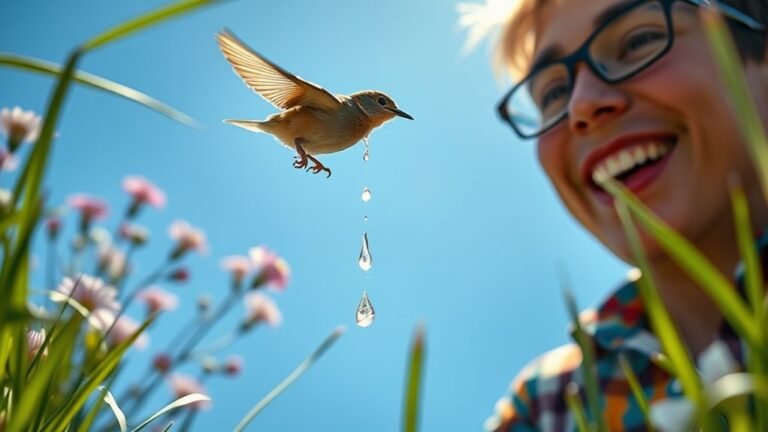
Is Bird Poop Good Luck? Omens and Superstitions Explained
Bird droppings are often seen as a sign of good luck in many cultures. In Russia, people view them as blessings. For Native Americans, bird poop can carry spiritual messages. These beliefs connect to human experiences and community values. They show how symbols of luck reflect our shared thoughts and feelings. What do you think these traditions reveal about us?
Key Takeaways
Many cultures, including Russia, see bird droppings as signs of good luck or blessings. Native American traditions view bird droppings as messages from the spirit world, adding to their importance. Birds like the black-capped chickadee and the nightingale often represent good fortune and love in folklore. Superstitions about bird droppings can encourage optimism and strengthen friendships among those who believe. Today, people combine traditional views with scientific insights, showing life's mysteries and shared experiences.
The Historical Roots of Bird Dropping Beliefs
Cultures worldwide have attributed different meanings to bird droppings throughout history. Many people view these droppings as signs or omens. The interpretation of bird droppings can vary greatly.
In some cultures, finding droppings indicates good luck or wealth, suggesting unexpected prosperity may come your way. In contrast, other cultures see droppings as a bad omen, prompting introspection about personal decisions.
These diverse beliefs show how cultures seek to make sense of everyday events. They reflect a common human desire for connection with nature and the universe.
Across Cultures: How Different Societies View Bird Poop
Bird droppings are often seen as a nuisance, but many cultures hold different views. In some places, bird poop symbolizes good luck or prosperity. For example, in Russia, people consider it a blessing that can bring unexpected joy or wealth.
Similarly, some Native American traditions view bird droppings as messages from the spirit world, encouraging individuals to pay attention to their surroundings.
These diverse interpretations remind us how context shapes meaning. By exploring these cultural perspectives, we can connect with others who share similar views, enriching our understanding of this common experience.
Discovering these beliefs adds depth to our appreciation of the world around us.
Other Bird-Related Superstitions and Their Meanings
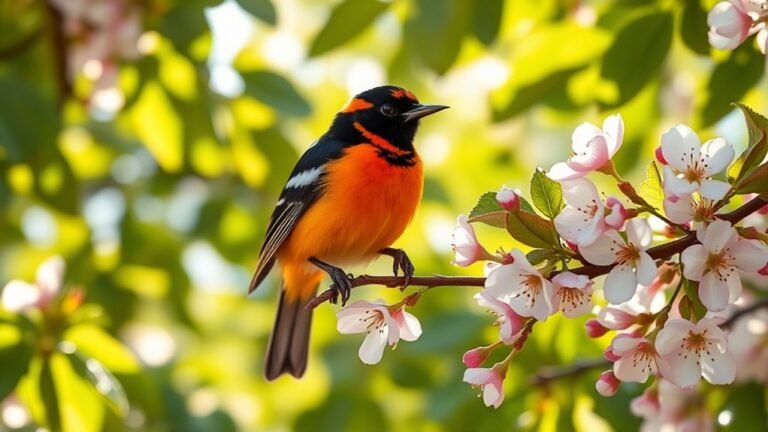
Bird-related superstitions hold significant meaning in many cultures. For example, a black-capped chickadee often brings tales of good luck, while the nightingale represents love and happiness.
These stories about birds highlight nature's beauty and connect us to our cultural history. When you see a flock of birds flying west, it may signify good fortune. Such beliefs create a sense of community and shared identity.
Embracing these traditions allows us to feel connected to those who came before us, finding joy and meaning in the presence of these feathered friends.
The Psychological Impact of Superstitions
Superstitions can shape your thoughts and actions. They often create mental barriers that influence how you see events and make choices.
For example, if you think that bird poop brings good luck, you may feel more positive about new opportunities. This belief can boost your optimism. It can also help you connect with others who share the same superstitions, strengthening your social bonds.
On the other hand, if you don't believe in these signs, you might feel lonely. Thus, superstitions create a mix of personal beliefs and social connections. They significantly affect your mindset and how you deal with uncertainty in life.
Embracing the Quirks: Modern Perspectives on Bird Omens
Bird poop superstitions may seem silly, but they reflect important social trends and personal beliefs today.
These quirky ideas can act as a way to communicate with birds and connect with others who share similar experiences. Embracing these beliefs can create a sense of belonging, inviting you into a shared narrative of luck and misfortune.
These superstitions can strengthen community bonds, as people engage in stories passed down through generations.
In a science-driven society, finding meaning in these odd beliefs reminds us of the value of tradition and the mysteries we encounter in life.
Frequently Asked Questions
Can Bird Poop Harm Plants or Gardens?
Bird droppings can provide nutrients that help plants grow. They are rich in nitrogen, phosphorus, and potassium, which are essential for plant health. However, too much bird poop can harm your garden. It can lead to soil imbalance and inhibit plant growth. It's important to have a good balance to enjoy the benefits without causing harm.
How Can I Clean Bird Poop Effectively?
To clean bird poop effectively, follow these steps:
- Gather cleaning supplies: You will need a plastic spatula for scraping, vinegar, baking soda, or commercial cleaners.
- Scrape the poop: Use the plastic spatula to gently remove the bird droppings from surfaces.
- Apply cleaner: Spray the area with vinegar or your chosen cleaner. Let it sit for a few minutes.
- Wipe the area: Use a cloth or paper towel to wipe up the mess. For stubborn spots, you may need to scrub gently.
- Rinse: If using cleaning solutions, rinse the surface with water to remove any residue.
- Dispose properly: Throw away any used cloths or towels in a sealed bag to avoid odor.
This process will help you restore your space and keep it clean.
Is Bird Feces Toxic to Pets?
Bird feces can be harmful to pets. The level of toxicity can differ depending on the bird species. It's important to keep pets away from bird droppings to ensure their safety. Regularly cleaning up bird feces helps maintain a safe environment for pets.
What Types of Birds Produce the Most Droppings?
Pigeons and seagulls produce a lot of droppings. Their diets and living conditions lead to significant waste. This waste can affect urban areas, raising concerns about cleanliness and health for communities.
Are There Any Health Risks From Bird Poop Exposure?
Bird droppings can carry germs that may cause health problems. Exposure to bird poop can lead to illnesses in humans. It is important to clean bird droppings properly and practice good hygiene to decrease any health risks. Always wear gloves and a mask while cleaning, and wash your hands thoroughly afterward. Staying aware of these precautions helps keep you safe.

Kashvi is a passionate bird enthusiast and nature lover who has been fascinated by the world of birds for years. With a keen eye for detail and a love for learning, Kashvi is dedicated to sharing her knowledge and insights with fellow bird enthusiasts on Avian Enthusiasts. Through her engaging and informative articles, Kashvi aims to inspire others to join her in exploring the fascinating world of birds and to promote a deeper appreciation for these incredible creatures.