Bird Behavior

  • Blue Bird With Black Head: Identification and Habitat

    When you see a blue bird with a black head, you are likely looking at a Blue Jay. This bird has distinctive features, including a bright blue body and a black cap on its head. Blue Jays are intelligent and social birds. They adjust well to different environments, such as parks, woods, and residential areas. Observing their behavior can be fascinating. You may notice their loud calls and their playful interactions with other birds. Blue Jays also have complex social structures and use their intelligence to find food and protect their nests. As you watch them, think about how they fit into their surroundings. Their ability to thrive in various settings showcases their resilience and adaptability. Blue Jays are not just beautiful; they play important roles in their ecosystems by controlling insect populations and dispersing seeds. Enjoy the experience of witnessing these remarkable birds in action.

  • Cute and Colorful: Exploring Beautiful Exotic Birds

    Exotic birds showcase stunning colors and unique features. Macaws display bright feathers, while hummingbirds flit gracefully from flower to flower. Each species highlights nature’s creativity. Watching these birds also reveals their behaviors, showing how they adapt and survive. These beautiful creatures tell fascinating stories about their homes and the challenges they face in nature. Observing their lives raises questions. What do their colors mean? How do they find food and shelter? Exploring these topics deepens our understanding and appreciation of exotic birds.

  • Male Vs Female Pileated Woodpeckers: 8 Key Differences

    When you observe pileated woodpeckers, you will notice clear differences between males and females. These differences include size, color, and sounds, which affect their behavior. Males are usually larger than females. Females often have more muted colors in their feathers. Recognizing these traits can deepen your understanding of their unique characteristics. What do these differences say about their roles and social interactions?

  • 12 Blue-Headed Birds You Need to Know: Quick Guide

    Blue-headed birds showcase vibrant colors and interesting behaviors. Each type, like the Blue Jay and the Hyacinth Macaw, plays a vital role in its ecosystem. Learning about their functions and traits helps us understand their living conditions and adaptations. These birds capture our attention visually and play important roles in their environments. Let’s discover what makes each of these blue-headed birds special and unique.

  • Goldfinch Migration Patterns: Complete Guide

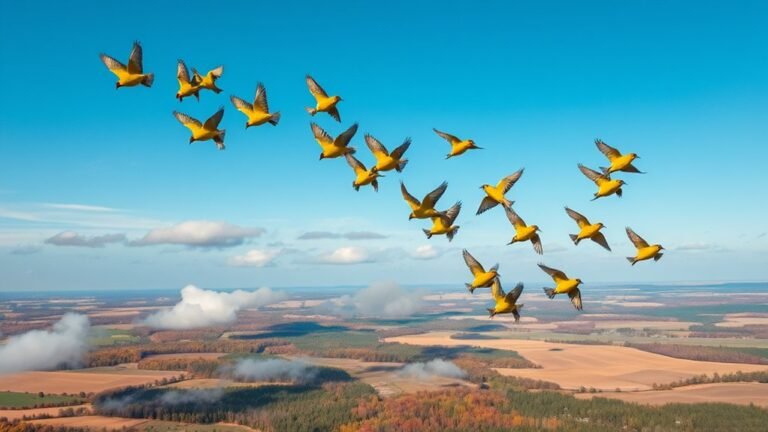
    Goldfinches migrate each year, moving north in spring and south in late summer. Several factors affect their migration, including daylight hours and food availability. Their migration routes change based on geography, showing how they adapt to different habitats. Observing these movements highlights their strength and resilience. Additionally, it raises important questions about the difficulties they encounter in a changing environment. Understanding these patterns can help us appreciate and protect goldfinches as they navigate their journeys.

  • 8 Key Differences Between Crow and Raven Explained

    Crows and ravens have noticeable differences that are important to recognize. While they share many traits, each bird has unique characteristics that help them adapt and survive. Observing their physical traits and social behaviors reveals essential distinctions. Knowing these differences can enrich your understanding and change how you view these smart birds in nature. What more can you learn about them?

  • Finches in Michigan: Identification and Behavior

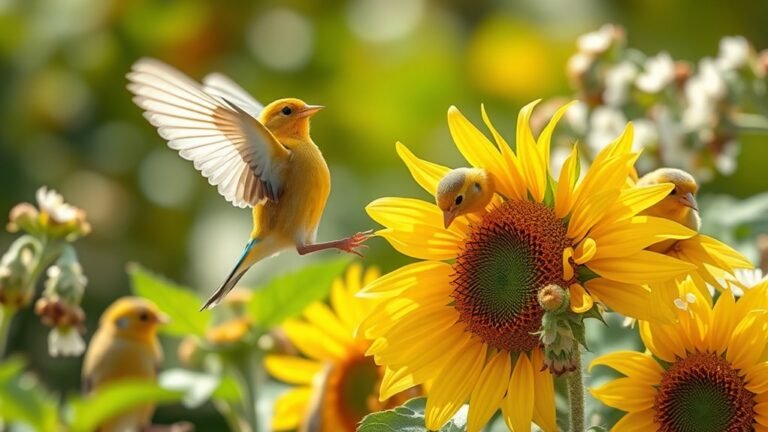
    In Michigan, finches are interesting birds with unique identification features and behaviors. The American Goldfinch, House Finch, and Pine Siskin each have specific traits that help you recognize them. The American Goldfinch has bright yellow plumage in summer, while the House Finch has a more brownish color with red streaks on its head. The Pine Siskin features a streaked body and yellow wing bars. These birds also have different feeding habits. American Goldfinches prefer seeds from thistles and sunflowers. House Finches often feed on discarded food in urban areas, while Pine Siskins enjoy seeds from coniferous trees. Identifying finches can be tricky due to their similar appearances. To spot them, pay attention to their colors, sizes, and feeding behaviors. By observing these traits, you can appreciate the diversity of finches in Michigan’s ecosystems and enjoy watching them.

  • Yellowhammer Bird: Habitat, Behavior, and Conservation

    The Yellowhammer is a colorful bird known for its beautiful songs. It serves as an important sign of how healthy agricultural areas are. This bird prefers specific habitats and has unique social behaviors that help us understand ecosystems. However, changes in farming practices can threaten its survival. It is important to know these factors to help protect the Yellowhammer. What actions can we take to ensure this bird remains part of our environment?

  • Herons in Texas: Habitat, Behavior, and Conservation

    In Texas, herons such as the Great Blue Heron and Green Heron are important to wetland ecosystems. They live in various habitats, including marshes and urban ponds, demonstrating their ability to adapt. Their hunting methods are interesting. They use sharp eyesight and different techniques to catch food. However, these birds face serious threats that put their populations at risk. It is important to understand these threats to help with conservation efforts. By learning about these factors, we can take steps to protect these remarkable birds.