Why Do Some Birds Have Orange Breasts and Black Heads?
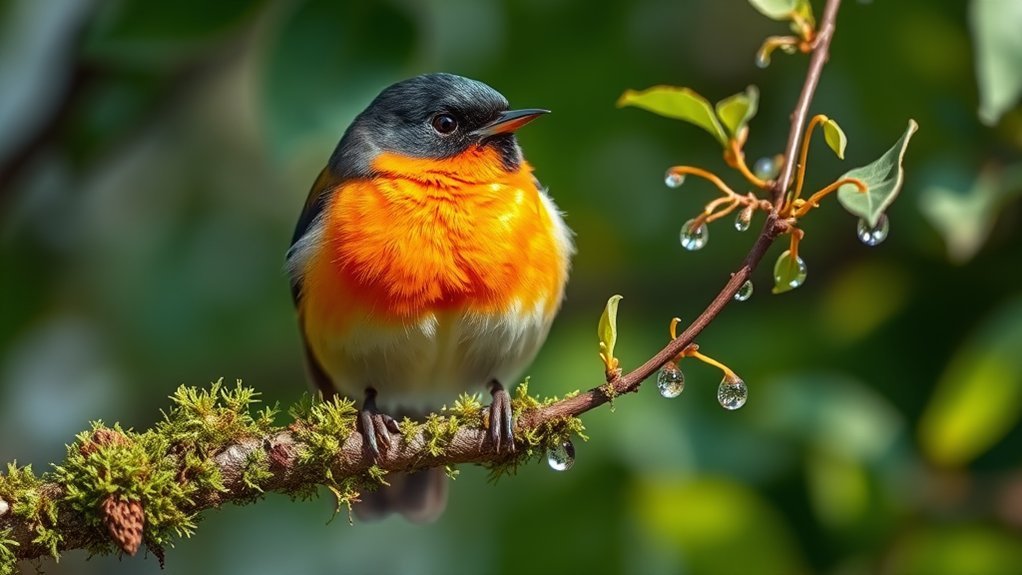
Many birds have bright orange breasts and black heads. These colors carry important meanings. They help birds communicate with each other and are vital in mating and survival. The colors can show a bird's health and can mark its territory. This affects how birds interact with both mates and predators. Understanding these color patterns helps us learn about bird behavior and evolution. What leads to these changes, and how do they influence bird populations in different environments?
Key Takeaways
Birds with orange breasts often show good health. This bright color helps attract mates during mating season. Black heads indicate dominance and can help establish territory. These colors serve as signals for communication, helping birds interact with mates and rivals.
The brightness of these feathers can come from the birds' diets, especially carotenoids. Seasonal changes also affect color. In summer, bright colors attract mates, while duller colors in winter offer better camouflage.
The Role of Color in Bird Communication
Color plays a crucial role in bird communication. Birds use their colors to send messages. These colors can show health, dominance, or readiness to mate.
For example, an orange breast with a black head may attract potential mates or rivals. Color combinations can also serve as warnings to predators or indicate territory.
By observing these colors, you can better appreciate birds and connect to nature. Recognizing their patterns enhances your outdoor experience.
Understanding bird communication through color opens up a new way to enjoy the beauty of wildlife.
The Science Behind Avian Coloration
Birds display vibrant colors for several important reasons, which involve biology and evolution. Their coloration can be summarized in three main areas:
- Feather Pigmentation: Birds have pigments such as melanins, carotenoids, and porphyrins that give their feathers color. Each type of pigment plays a specific role in how a bird appears.
- Structural Colors: Some birds have feather structures that bend light. This creates shiny, iridescent colors that change as the angle of light changes.
- Color Perception: Birds see colors differently because of the unique arrangement of cone cells in their eyes. This affects how they interact with their surroundings and other birds.
Understanding these factors helps us appreciate the beauty of birds and reveals the evolutionary processes that shape their appearance.
Natural Selection and Mate Attraction
Avian coloration is important for natural selection and mate attraction.
Many bird species use vibrant colors and patterns as signals during mate selection. Males often have bright colors, like orange breasts and black heads, to show their fitness to females. This visual difference attracts females and indicates genetic quality and health, leading to better reproductive success.
In contrast, females tend to have muted colors for camouflage to protect themselves and their young from predators.
Understanding these patterns helps us see how bird coloration affects their relationships and the natural selection process surrounding mating.
Species Highlight: The American Robin
The American Robin (Turdus migratorius) is known for its bright orange breast and black head. This bird demonstrates interesting behaviors and ecological traits, especially related to migration and habitat.
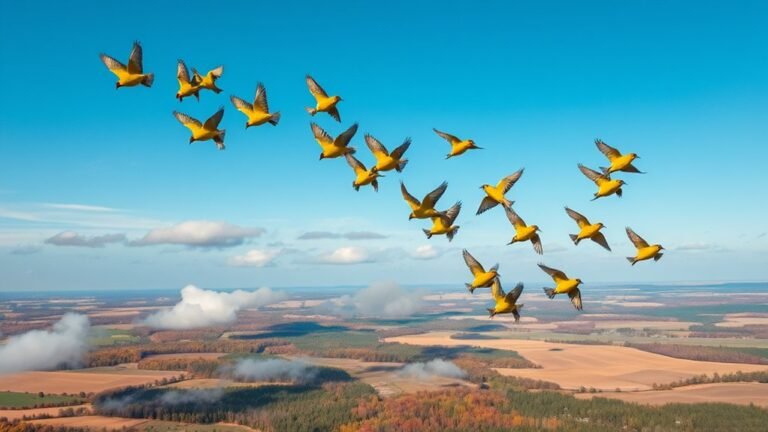
- Migration: American Robins migrate significant distances. They often travel alone or in small groups, responding to changes in seasons.
- Habitat: They live in many environments, including open woodlands, gardens, and urban areas. Their adaptability allows them to thrive in diverse settings.
- Diet: Their diet mainly includes insects and berries. They forage strategically for food, showing their ability to make use of available resources.
Learning about these traits enhances your understanding of the American Robin's role in nature and highlights the connections within ecosystems.
Species Highlight: The Eurasian Blackbird
The Eurasian Blackbird (Turdus merula) provides interesting insights into bird adaptability and behavior. This bird lives in woodlands, gardens, and urban areas across Europe and Asia.
The Eurasian Blackbird has a beautiful song that helps it establish territory and attract mates.
It shows excellent foraging skills and often pecks the ground for insects and fruits.
These birds adapt well to human environments because of their social nature. By learning about the Eurasian Blackbird's behavior and habitat, you can gain a better understanding of avian life and feel more connected to the birds around you.
The Importance of Camouflage
Why do many birds with bright colors, like orange breasts and black heads, blend into their surroundings? Camouflage is vital for their survival.
These birds gain several advantages that affect their strategies against predators:
- Avoiding Predators: They merge with plants, making it difficult for predators to see them.
- Hunting Success: Their colors help them hide while waiting to catch prey, disrupting their outline against the background.
- Mating Chances: In some species, bright colors attract mates while allowing them to stay hidden from enemies.
Understanding these camouflage benefits helps you appreciate bird life and the balance of nature.
The Impact of Seasonal Changes on Coloration
As seasons change, many birds with orange breasts and black heads change their colors to match their surroundings.
During molting, these birds lose and replace their feathers. This process helps them gain winter plumage, which provides warmth and camouflage in cold weather.
These color changes also play a role in attracting mates, as bright summer colors can be appealing, while dull winter colors help them hide in snow.
Changes in light and temperature trigger these transformations, allowing you to see these birds in their seasonal attire.
Understanding this process enhances your appreciation for the connection between adaptation and beauty in birds.
The Influence of Diet on Feather Color
Birds with orange breasts and black heads exhibit feather colors influenced by their diet. The pigments in their food contribute significantly to their vibrant appearance.
Let's look at three main points about how diet affects feather color:
- Types of Pigments: Carotenoids are essential pigments found in fruits and vegetables that create orange hues.
- Food Supply: The availability of these pigments changes with seasons and environmental conditions, affecting the brightness of the feather colors.
- Diet Quality: A nutrient-rich diet full of these pigments leads to better pigmentation and overall health.
Evolutionary Significance of Color Patterns
Vibrant color patterns serve important roles in the evolution of birds with orange breasts and black heads.
These patterns help with survival and reproduction. Bright colors improve visual signals, allowing birds to show species identity, attract mates, and deter rivals.
By having unique patterns, these birds strengthen social connections and stand out in their environments. Effective signaling boosts reproductive success, passing on these beneficial traits.
Thus, these colors are essential for the survival and evolution of these captivating species.
The Relationship Between Color and Health
Birds use bright orange and black colors to signal their health and energy. These vibrant colors help in communication and social interactions. Bright colors reflect a bird's physical condition and genetic fitness. Color perception influences mate selection and reproductive success.
- Nutrition: Bright colors often show a diet high in carotenoids, which support immune health.
- Stress Levels: Faded or mixed colors may indicate stress or illness, which affects mating attractiveness.
- Genetic Fitness: Birds that are healthier usually display more vibrant colors, signaling better genetics.
Predation and Color Adaptation
Birds adjust their colors based on their environments. Predation greatly affects this color change. Birds with orange chests and black heads can hide better among plants. This camouflage makes it harder for predators to find them.
Predators like hawks and eagles influence the colors birds choose. Through natural selection, birds with helpful color patterns survive and reproduce more often.
Camouflage also plays a role in attracting mates, as many birds prefer partners that blend in more. Understanding how birds adapt their colors helps us appreciate how they survive and thrive in nature.
Human Impact on Bird Coloration
Human activity significantly affects wildlife, especially bird coloration. Urban environments and habitat destruction can change the colorful appearance of these birds. Several factors contribute to these changes:
- Chemical pollutants: These substances harm ecosystems, disrupt hormone levels, and affect colors.
- Habitat destruction: As birds lose their homes, they might adapt and develop muted colors for survival.
- Ornamental trade: The desire for vibrant birds can lead to selective breeding, which alters their natural colors.
These factors combine to create a situation where the bright colors we admire are at risk.
It's essential to understand our role in protecting nature. Your awareness can help promote conservation efforts. By valuing birdlife, we encourage actions that protect their beauty for future generations.
Conserving Colorful Species for the Future
Conserving colorful bird species is vital for biodiversity and ecosystem health. You can help by advocating for habitat preservation. Support local initiatives to restore ecosystems, allowing birds to thrive.
Participating in breeding programs boosts their populations and aids their survival. Engaging with conservation groups deepens your understanding of these efforts and connects you with others who care about wildlife.
Together, through habitat preservation and breeding initiatives, you can help ensure vibrant birds continue to enrich our lives with their stunning colors and essential roles in our ecosystems. Your involvement is important for a brighter future for these beautiful creatures.
Frequently Asked Questions
Do Orange-Breasted Birds Usually Migrate During Specific Seasons?
Orange-breasted birds migrate during specific seasons. Their movement patterns change with the seasons, food availability, and breeding times. These migrations show how they adapt to their surroundings. Watching their journeys can be fascinating and provides insight into their behavior and life cycles.
Can Bird Color Affect Their Feeding Habits?
Bird color can influence their feeding habits. Bright colors make birds more visible, which can change how they find food. Birds with bright plumage often attract more mates. In contrast, birds with muted colors can blend in better with their surroundings, helping them avoid predators while foraging. Understanding these differences can provide insights into bird behavior and choices in their habitats.
Are There Any Predators That Prefer Orange-Breasted Birds?
Some predators prefer to hunt orange-breasted birds. These birds are easy to see in their habitats, making them targets. This behavior shows how bird colors can affect survival. The relationship between bird coloration and predator behavior is important in nature.
How Do Human Activities Impact the Population of These Birds?
Human activities like habitat destruction and climate change significantly harm these birds' populations. As their environments disappear, their numbers decline. This forces them to either adapt or migrate, often causing further instability in their communities. These changes impact not just the birds but the entire ecosystem they inhabit. Protecting their habitats and addressing climate change are crucial steps to ensure their survival and well-being.
Do Color Variations Occur Within the Same Bird Species?
Yes, color variations occur within the same bird species. These variations happen due to genetic differences and environmental influences. As a result, birds can have a wide range of appearances. This diversity highlights how nature adapts and the unique characteristics of each bird.

Kashvi is a passionate bird enthusiast and nature lover who has been fascinated by the world of birds for years. With a keen eye for detail and a love for learning, Kashvi is dedicated to sharing her knowledge and insights with fellow bird enthusiasts on Avian Enthusiasts. Through her engaging and informative articles, Kashvi aims to inspire others to join her in exploring the fascinating world of birds and to promote a deeper appreciation for these incredible creatures.