
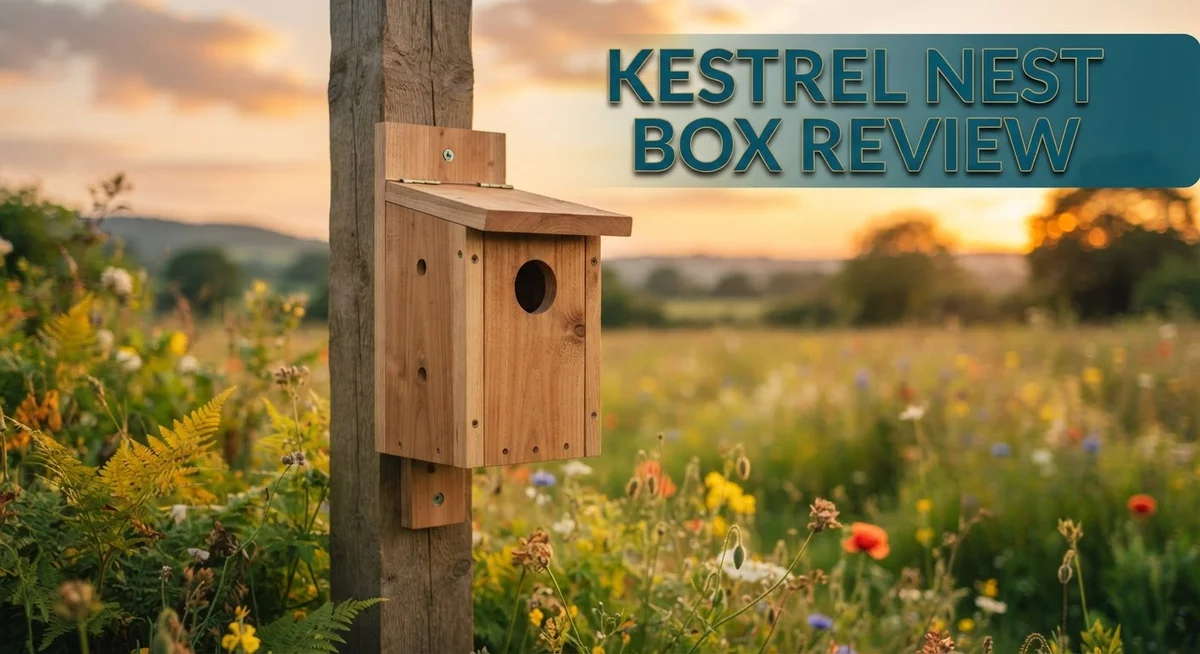
Kestrel Nest Box Review: Installation, Design, and Effectiveness Guide
Kestrels need safe homes. These small falcons once nested in old woodpecker holes. But natural cavities are disappearing fast.
That is where a kestrel nest box comes in. It gives these birds a safe spot to lay eggs and raise their young.
This box does more than shelter birds. It helps farmers too. Kestrels hunt rodents and pests in fields and vineyards.
Researchers also love these boxes. They let scientists track breeding patterns and monitor kestrel populations over time.
In this review, we will look at how this nest box works. We will cover its design, placement needs, and what makes it stand out.
Is this box right for your backyard or farm? Let’s find out together.
In a Nutshell
Here is the quick rundown on this kestrel nest box. We cover the key facts you need to know fast.
-
Mount it high. Place the box 10 to 30 feet above ground for best results. Height matters a lot to kestrels.
-
Give it space. Keep each box at least half a mile from the next one. Kestrels like their privacy.
-
Pick the right spot. Lone trees in open fields work well. Poles in grasslands or vineyards work too.
-
Smart entrance design. The box has a large rain guard to block bad weather. White pigments reflect heat and keep chicks cool.
-
Real conservation value. This box fights habitat loss from vanishing woodpecker holes. It also helps researchers track breeding success over time.
-
Natural pest control. Kestrels hunt rodents in nearby fields. A nesting pair can reduce pest numbers close to your home or farm.
-
Commitment required. Eggs take 30 to 35 days to hatch. You will need to check on the box and keep it maintained during this period.
Design and Construction Quality
The kestrel nest box stands out because of how it handles the daily challenges these birds face. The entrance design matters most here. A large rain guard sits at the opening, which keeps water from dripping inside during storms. This feature alone prevents mold and keeps eggs dry during the incubation period.
Heat management is another smart touch. The box uses white pigments on its exterior surfaces. These colors reflect sunlight instead of absorbing it, which keeps the interior cool during hot months. Kestrels need stable temperatures to raise healthy chicks, so this detail makes a real difference.
Ventilation works quietly in the background. Small openings near the top let air flow through without creating drafts. This balance prevents moisture buildup while maintaining the right microclimate. Poor ventilation leads to fungal problems and unhealthy nestlings, so this design choice matters.
The interior dimensions follow what kestrels naturally prefer. The box gives birds enough space to move around but feels secure and cave-like. This psychological comfort encourages them to stay and breed successfully.
Material quality affects durability. Most kestrel boxes use wood that withstands weather without rotting quickly. The construction must survive years of rain, wind, and temperature swings. Some designs include drainage holes at the bottom to handle water that does enter.
Mounting hardware receives attention too. The box attaches securely to poles or trees so it won’t shift in wind. Movement causes stress and can lead to nest abandonment. Solid construction here prevents this problem.
The overall build quality determines how many seasons the box remains functional. A poorly made box might last one or two years. A well constructed one supports kestrel families for a decade or more. This longevity matters for both the birds and the researchers who monitor them.
Design choices reflect real understanding of kestrel behavior and biology. Every element serves a purpose, from the rain guard to the ventilation system. This thoughtful approach is what separates effective nest boxes from boxes that sit empty year after year.

- ✨ PREMIUM CEDAR WOOD : This white owl box offers exceptional durability thanks to its natural resistance to moisture...
- ☔️ DURABLE AND RESISTANT FOR RELIABLE SHELTER : Designed with waterproof asphalt material to withstand a variety of...
- ❤️ DESIGNED FOR OPTIMAL COMFORT : Our owl box is perfectly adapted to provide safe, comfortable shelter for small...
Last update on 2026-10-13 / Affiliate links / Images from Amazon Product Advertising API
Installation and Placement Requirements
Installing a kestrel nest box requires careful planning. You need to think about height, location, and spacing before you mount anything.
Start with height selection. Mount your box between 10 and 30 feet above the ground. This range keeps the nest safe from ground predators while remaining accessible for monitoring. Higher placement often works better in open areas where kestrels hunt.
Location matters just as much as height. Place your box on a lone tree standing in an open field. Alternatively, use a sturdy pole in grasslands or vineyard areas. Kestrels prefer spots where they can see approaching threats and spot prey moving below. Avoid dense woods or heavily shaded locations.
Spacing between boxes is critical for success. Keep at least half a mile between each nest box you install. Kestrels are territorial birds. Too many boxes too close together create conflict and reduce breeding success. This spacing rule applies even if you’re managing multiple properties.
Orientation and exposure deserve your attention. Face the entrance away from prevailing winds and heavy rain. The large rain guard on quality boxes helps, but smart placement adds extra protection. Morning sun exposure helps warm eggs naturally.
Ground conditions affect stability. If using a pole mount, ensure the base sits firmly in the ground or concrete. Wind can damage poorly secured installations. Check mounting hardware regularly throughout the breeding season.
Pre installation checks prevent problems later. Clear the area around your box of obstacles. Remove branches that might block the entrance or provide perches for predators. Verify that your chosen spot allows safe access for annual cleaning and monitoring.
Timing your installation matters too. Mount boxes in late winter or early spring before kestrels begin searching for nesting sites. This gives birds time to discover and accept the new home.
Proper installation sets the foundation for successful breeding. Take time to get these details right, and your box will serve kestrels and your local ecosystem for many seasons ahead.
Nesting Success and Breeding Performance
Kestrel nest boxes significantly boost breeding success when installed correctly. These birds show higher nesting rates when proper boxes replace lost natural cavities. Studies reveal that occupied boxes produce 3 to 4 fledglings per season on average, which strengthens local populations.
The incubation period spans 30 to 35 days, and females remain inside the box during this critical phase. Males hunt and bring food to their mates throughout this time. The box design supports this natural behavior by offering protection from predators and harsh weather.
Clutch sizes typically range from 3 to 5 eggs. Kestrels show strong site fidelity, meaning they return to the same box year after year if conditions remain favorable. This loyalty makes monitoring easier and helps researchers track population trends over time.
Breeding performance depends heavily on food availability nearby. Boxes placed in grasslands and agricultural areas see better outcomes because rodent populations are abundant. Kestrels can hunt up to 12 small mammals per day during breeding season, feeding both themselves and their growing chicks.
Environmental factors shape success rates too. Boxes with proper ventilation experience lower chick mortality from overheating. Rain guards prevent water damage that could harm eggs or young birds. The white pigment coating reflects heat, keeping interior temperatures manageable even on hot days.
Fledging occurs around 30 to 32 days after hatching. Young kestrels leave the box and begin learning to hunt with parental guidance. Success rates improve when boxes sit in open areas with clear flight paths and minimal obstruction.
Monitoring reveals fascinating patterns about breeding behavior. Researchers document courtship displays, egg laying dates, and chick development stages. This data helps conservationists understand how kestrel populations respond to habitat changes.
Competition from other cavity nesters occasionally affects success. Starlings and house sparrows sometimes claim boxes before kestrels arrive. Strategic placement and entrance hole sizing help exclude unwanted species while welcoming kestrels.
Successful breeding programs demonstrate that nest boxes work. Communities across North America report increased kestrel populations in areas with active box programs. This measurable impact shows how simple structures create real conservation outcomes.
Top 3 Alternatives
Woodlink Deluxe Kestrel Box

- Made in USA, Premium Owl Nesting Box Includes Hanger and Mounting Screws - Applewood Outdoor
- Built for the Outdoors - Our owl box is pre-finished with environmentally safe penetrating oil that will ensure many...
- Pre-finished and Ready to Use - Our bird houses help attract small species owls or kestrels that can help deal with...
Last update on 2026-10-06 / Affiliate links / Images from Amazon Product Advertising API
The Woodlink Deluxe Kestrel Box offers a solid option for attracting kestrels to your property. This box features durable construction that withstands harsh weather conditions. The entrance hole measures 1.25 inches, which is perfect for kestrels while excluding larger predators.
The interior includes a ventilation system to keep birds comfortable during hot months. Drainage holes prevent water buildup inside. The box mounts easily on poles or trees at heights between 12 and 60 feet.
Schwegler Kestrel Nest Box

- Handcrafted for lasting quality
- Front opens for easy cleanout
- Made of unfinished kiln dried cedar and stainless steel screws
Last update on 2026-10-06 / Affiliate links / Images from Amazon Product Advertising API
Schwegler brings European engineering to kestrel housing with their specialized nest box. This option uses high-quality materials that last for decades without rotting or warping. The design includes a removable roof for easy cleaning and monitoring.
The box features excellent insulation properties that maintain stable temperatures inside. Predator guards come standard on this model. Installation works well on trees, buildings, or dedicated poles.
Starling Resistant Kestrel Box

- The Kestrel Pocket is purpose-built to securely protect
- Custom made protective case with durable zipper and hard sides
- Convenient way to attach an ITW Tac Link or other tie-down so you don't lose your gear
Last update on 2026-10-06 / Affiliate links / Images from Amazon Product Advertising API
The Starling Resistant Kestrel Box solves a common problem many nest box owners face. Starlings often compete with kestrels for nesting space, but this box’s specialized entrance design prevents starling entry while welcoming kestrels.
The entrance hole size and shape work specifically for kestrels. Interior dimensions provide ample space for eggs and chicks. The box includes mounting hardware and detailed installation instructions.
All three options give you effective alternatives for supporting kestrel populations. Each design addresses different needs and preferences. Choose based on your specific situation, local bird activity, and installation location.
Maintenance and Monitoring Demands
Kestrel nest boxes demand consistent attention throughout the year. Regular monitoring helps you track breeding progress and spot problems early. Check the box every 7 to 10 days during the nesting season to observe egg laying, incubation, and chick development without disturbing the birds too much.
Cleaning is essential for box longevity. Remove old nesting material, droppings, and debris after the breeding season ends, typically in late summer or early fall. This prevents parasites and disease from building up inside. Use a soft brush and avoid harsh chemicals that could harm future occupants.
Weather exposure takes a toll on nest boxes over time. Inspect the roof and walls for cracks, rot, or water damage before each breeding season. The rain guard should remain clear and functional. Check that ventilation holes stay open and unobstructed. Moisture buildup inside can cause mold and respiratory problems for chicks.
Mounting hardware requires attention too. High winds and seasonal changes can loosen bolts and brackets. Tighten fasteners annually and replace any rusted or corroded parts. A wobbly box poses safety risks for nesting birds and threatens the structure itself.
Predator management influences monitoring demands. Watch for signs of raccoons, snakes, or other threats around the installation site. Some keepers add predator guards or install boxes on smooth poles to reduce climbing access. Document any predation attempts so you can adjust your strategy for next season.
Keep detailed records of what you observe. Note arrival dates, clutch sizes, hatching success, and fledging outcomes. This information helps you understand local kestrel populations and identify any declining trends. Sharing data with wildlife organizations contributes to broader conservation efforts.
The monitoring schedule intensifies during breeding season but remains manageable with planning. Most keepers spend 2 to 4 hours per month on maintenance and observation tasks. This commitment ensures your box provides safe, healthy housing for kestrels year after year.
Environmental and Conservation Benefits
Kestrel nest boxes create meaningful conservation wins for local ecosystems. These structures address a real problem: natural cavity nesting sites continue to disappear as old trees decline and dead woodpeckers holes vanish from landscapes.
By installing a nest box, you help restore habitat that kestrels desperately need. This direct action supports population stability in areas where natural cavities have become scarce. Kestrels are secondary cavity nesters, meaning they cannot excavate their own holes. Without boxes, breeding opportunities shrink significantly.
The pest control benefit deserves special attention. Kestrels hunt rodents, voles, and small mammals with remarkable efficiency. A single breeding pair can consume hundreds of rodents during the nesting season. This natural pest management reduces reliance on harmful chemicals in agricultural settings, vineyards, and grasslands. The ecological ripple effect improves soil health and supports other wildlife species.
Nest boxes also enable valuable population research and monitoring. Scientists and bird enthusiasts gather data on breeding success, clutch sizes, and fledging rates. This information helps conservation organizations understand kestrel populations across different regions. Long term monitoring reveals how environmental changes affect breeding performance.
The spacing requirement of at least 0.5 mile between boxes prevents territorial conflicts. This spacing ensures each pair has adequate hunting grounds and reduces competition stress. Proper placement in lone trees or open field poles maximizes breeding success.
Installation in grasslands and vineyards offers additional benefits. These agricultural areas provide ideal hunting habitat with abundant rodent populations. Kestrels thrive when nest sites align with food sources. The combination creates self sustaining breeding populations that require minimal intervention once established.
Every successful fledging represents a win for local biodiversity. Young kestrels eventually disperse and establish territories elsewhere, expanding the population. Over years, multiple boxes create networks of breeding sites that strengthen regional populations.
The conservation impact extends beyond kestrels themselves. These small raptors occupy an important ecological niche. Supporting their breeding success strengthens the entire food web and maintains natural balance in open habitats.
Pros and Cons
Pros
- Restores natural cavity nesting sites that woodpeckers and weather have eliminated
- Lets you monitor breeding activity and contribute to population research
- Kestrels hunt rodents and voles, providing natural pest control for your property
- Rain guards and heat reflective white pigments keep eggs and chicks safe from harsh weather
- Efficient venting prevents overheating during hot breeding seasons
Cons
- You must clean and inspect boxes regularly to prevent disease and parasites
- Success rates vary significantly based on box design, placement, and local food availability
- The 30 to 35 day incubation period means females stay confined inside, requiring stable conditions
- Territorial spacing of 0.5 mile between boxes limits how many you can install on smaller properties
Who Should Buy It
A kestrel nest box works best for property owners who care about wildlife and conservation. If you manage grasslands, vineyards, or open fields, this box offers direct benefits to your land.
Farmers benefit most from kestrel boxes. Kestrels hunt rodents and voles that damage crops and stored grain. A nesting pair can catch dozens of small mammals each week. This natural pest control reduces your reliance on traps or chemicals. Your fields become healthier ecosystems while you solve a real problem.
Landowners in rural areas should consider installation. Open spaces with scattered trees or poles provide ideal locations. You need at least 0.5 mile of separation between boxes to avoid territorial conflicts. If your property has this space, you can support multiple breeding pairs.
Educators and community groups find value in nest boxes too. Monitoring boxes teaches students about kestrel behavior and local ecology. You can track arrival dates, clutch sizes, and fledging success. This hands-on data collection creates meaningful learning experiences.
Researchers and bird enthusiasts appreciate the monitoring opportunities. Kestrel populations face pressure from habitat loss. Nest boxes help restore cavity nesting sites that old woodpecker holes and natural weather once provided. Your records contribute to population studies and conservation efforts.
Committed property stewards work best with these boxes. You must clean and inspect regularly throughout the year. The breeding season demands consistent attention. Winter maintenance keeps the box ready for spring arrivals. This isn’t a set-it-and-forget-it project.
People who enjoy outdoor observation make ideal candidates. Watching nesting activity connects you to local wildlife. You witness eggs hatch, chicks grow, and young birds fledge. This experience deepens your appreciation for nature’s cycles.
Skip this box if you lack time for regular monitoring or if your property sits in dense forests. Kestrels need open hunting areas. Heavily wooded sites don’t suit their needs. Similarly, urban yards or small suburban lots may not provide enough space or appropriate habitat.
The right person combines land availability, conservation interest, and willingness to maintain the box consistently.
Final Verdict
A kestrel nest box gives these small falcons a real chance to thrive. Natural cavities keep disappearing, and this box fills that gap with a safe, weather ready home.
Kestrels reward you quickly once they move in. They hunt rodents near your fields, gardens, or barns. This keeps pest numbers down without chemicals or traps.
The box also opens a window into kestrel life that most people never see. You get to watch courtship, egg laying, and chick growth from a safe distance.
This experience turns any backyard or farm into a small research station. Many citizen scientists have discovered new patterns in local kestrel behavior this way.
Still, this box asks for commitment. You cannot install it and forget it. Regular checks keep the box clean and the birds healthy.
Weather damage, debris, and parasites can build up fast. Skipping inspections puts eggs and chicks at risk.
The box suits people who already love outdoor life. Farmers, landowners, and nature lovers gain the most from this setup. Schools and nature centers also find it useful for hands on learning.
If your schedule stays packed or your land sits deep in forest, this box may not fit your lifestyle. Kestrels need open space and dedicated caretakers to succeed.
For the right person, though, this nest box delivers real impact. It supports a species that struggles more each year. It also gives you a front row seat to nature’s quiet drama.
Every clutch raised here adds to local kestrel numbers. Every monitored nest adds data that helps researchers understand population trends.
This is not a passive purchase. It is a small but meaningful conservation tool. The results depend on your effort, placement, and attention over time.
If you want to support wildlife and enjoy hands on learning, this box earns a strong recommendation. It blends simple design with a genuine conservation purpose that few products offer today.
Frequently Asked Questions
How high should I mount a kestrel nest box?
Mount your box between 10 and 30 feet above the ground. This height keeps eggs and chicks safe from ground predators. It also gives adult kestrels a clear view of their hunting territory. Poles in open grasslands work well. Lone trees in fields are equally effective. Avoid dense forests or cluttered areas. Kestrels need open sightlines to spot prey like rodents and voles from the air.
How far apart should multiple nest boxes be?
Space boxes at least 0.5 miles apart from each other. Kestrels are territorial birds. They will not tolerate other nesting pairs too close by. If you own a large property, you might install multiple boxes, but always respect this spacing rule. Closer placement leads to conflict and abandoned nests.
What happens during the incubation period?
Females sit inside the box for 30 to 35 days while incubating eggs. During this time, the female stays confined and depends on the male to bring food. You must ensure the box remains undisturbed. Stable weather conditions matter greatly. A well designed box with proper venting and rain guards protects the clutch from temperature swings and moisture. This is why maintenance before breeding season is critical.
Can I monitor what happens inside the box?
Yes. Many boxes include small inspection doors or viewing ports. You can check on eggs and chicks without causing stress. Regular monitoring helps you spot disease, parasites, or debris early. This data also contributes to local population research. Educators and bird enthusiasts find this observation window invaluable.
Will kestrels definitely use my box?
Success depends on three factors: box design, placement, and local food supply. A well built box in open habitat with plenty of rodents attracts kestrels faster. Poor design or placement in unsuitable areas may go unused for seasons. Patience and proper maintenance increase your chances significantly.

Kashvi is a passionate bird enthusiast and nature lover who has been fascinated by the world of birds for years. With a keen eye for detail and a love for learning, Kashvi is dedicated to sharing her knowledge and insights with fellow bird enthusiasts on Avian Enthusiasts. Through her engaging and informative articles, Kashvi aims to inspire others to join her in exploring the fascinating world of birds and to promote a deeper appreciation for these incredible creatures.


