
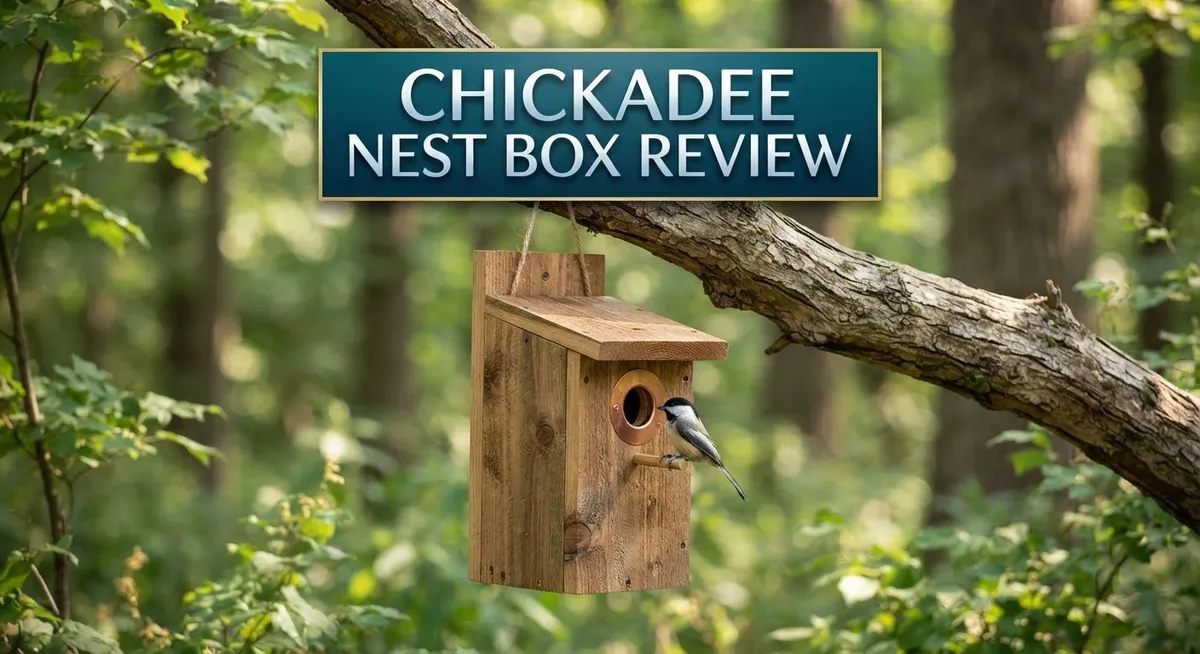
Chickadee Nest Box Review: Best Birdhouse for Chickadees and Wrens
Chickadees bring joy to any backyard. These small birds need safe places to nest and raise their young. A good nest box can make all the difference.
This Chickadee Nest Box catches the eye with its recycled brown and green design. It looks natural and blends into garden spaces. The wide roof keeps rain and sun away from the nest.
Many bird lovers want a safe spot for chickadees and wrens. This box offers a small entrance hole. That hole keeps larger birds like house sparrows out.
We tested this nest box to see if it truly works. Does it attract chickadees? Is it easy to clean and hang? This review covers everything you need to know.
Keep reading to learn about the real pros and cons. You will find out if this box suits your garden and your feathered friends.
In a Nutshell
This nest box gives small birds a safe home. Here is a quick look at what stands out.
- The small entrance hole keeps house sparrows and bigger birds away. Chickadees and wrens fit through with ease.
- Cleaning is simple. You can open the box and clear it out fast after each season.
- The build feels sturdy and lasts through tough weather. Most owners say it holds up well outdoors.
- Watching baby birds grow becomes easy. You can check on nests without disturbing the family inside.
- Some buyers found quality control spotty. A few boxes arrived with small flaws or rough edges.
- Birds may take time to warm up to the box. Some owners saw slow move in rates at first.
- You cannot see much inside the box. This makes it harder to check on eggs or chicks directly.
- You may need to buy a chain or hook separately. The box does not always include hanging hardware.
Overall, this nest box works well for most bird watchers. Small issues exist, but the core design does its job well.
Material and Construction Quality
The recycled material construction sets this nest box apart from traditional wooden options. The brown and green finish blends naturally into most garden settings. This eco-conscious approach means you’re supporting sustainable practices while protecting birds.
The wide overhanging roof serves a practical purpose beyond aesthetics. Rain protection becomes critical when baby birds are developing inside. The overhang keeps water from dripping into the entrance hole during storms. Chickadees appreciate this feature, as it reduces moisture buildup in their nesting space.
The circular entrance hole measures small by design. This opening excludes larger birds like house sparrows and starlings. Only chickadees and wrens can comfortably pass through. You get a nest box that serves exactly the birds you want to attract.
The overall structure stands approximately 5 feet tall. This height places the box in an ideal range for monitoring and cleaning. You can reach it easily without a ladder in most cases. The build quality feels solid and reliable, with materials that resist warping and cracking.
Some users report quality control inconsistencies across different units. A few buyers received boxes with rough edges or misaligned roof panels. Most customers find these issues minor and easily fixable. The majority of nest boxes arrive in excellent condition.
The construction allows for straightforward maintenance. Opening the box for cleaning happens without complicated fasteners or tools. You can inspect the interior quickly during breeding season. Removing old nesting material takes just minutes.
Durability through seasons is a strong point. The recycled materials withstand rain, sun, and temperature swings. The box maintains its integrity year after year. Many owners report their boxes remaining functional after five or more seasons.
One limitation involves visibility. The small entrance hole and solid construction mean you cannot see inside easily. Monitoring chick development requires opening the box. Some bird watchers prefer boxes with inspection windows for this reason.
The mounting hardware situation varies by purchase. Some boxes arrive with chains or hooks included. Others require you to source hanging equipment separately. Check the product details before ordering to avoid surprises during setup.

- Eco-Friendly Chicken Nesting Boxes: Aivituvin provides a safe, cozy space for your hens to lay eggs. Made from non-toxic...
- Egg Protection & Easy Collection: These chicken laying boxes come with a removable tray and a rolling design, which...
- Upgraded Galvanized Metal for Safe Design: Crafted from durable galvanized steel, these chicken nesting boxes boast a...
Last update on 2026-10-06 / Affiliate links / Images from Amazon Product Advertising API
Design Features and Entrance Specifications
The entrance hole on this nest box plays a crucial role in bird selection. The small circular opening measures just the right size for chickadees and wrens to slip through comfortably. Larger birds like house sparrows cannot squeeze through, which keeps unwanted visitors out of the box.
This design feature alone makes a big difference for backyard bird enthusiasts. You get to welcome the specific species you want while naturally excluding aggressive competitors. The entrance sits at an ideal height on the front face, giving birds a clear target to aim for during approach.
The wide overhanging roof provides more than just visual appeal. It shields the entrance hole from rain and snow, creating a protective barrier above the opening. This overhang keeps harsh weather from driving directly into the box during storms. Birds appreciate this shelter when they pause before entering.
The circular shape of the entrance prevents birds from perching on sharp edges or corners. Smooth, rounded openings feel safer to small birds than square or irregular shapes. This gentle design encourages faster entry and exit without hesitation or injury risk.
Monitoring becomes straightforward with this entrance design. You can observe approaching birds without disturbing the nest. The opening angle allows you to peek inside during breeding season to check on chicks, though visibility remains limited compared to boxes with larger openings.
The entrance hole size also affects ventilation inside the box. Smaller openings mean less air circulation, which some users notice during hot summer months. The trade off is acceptable for most bird lovers since chickadees tolerate these conditions well.
Installation around the entrance area requires attention to detail. The circular hole edges need smooth finishing to prevent splinters that could injure visiting birds. Quality control here varies between units, so inspect your box carefully when it arrives.
The entrance specifications reflect careful planning for chickadee and wren preferences. This thoughtful design choice separates this nest box from generic bird houses. Small birds benefit from the protection and exclusivity this entrance provides throughout the nesting season.
Installation, Mounting, and Accessibility
Installing this nest box requires minimal effort, yet a few key steps ensure success. The structure stands approximately 5 feet tall, placing it at an ideal height for chickadees and wrens. Mount it on a pole, tree, or bracket using the appropriate hardware for your chosen location.
Hardware considerations matter here. Some units arrive with mounting chains or hooks included, while others do not. Check your package before installation. If hardware is missing, you’ll need to purchase a chain, hook, or bracket separately. This adds a small extra step to your setup process.
Choose a location that receives morning sunlight but offers afternoon shade. Chickadees prefer spots near shrubs or trees where they can escape quickly if threatened. Position the box away from direct wind exposure. A southeast facing entrance works well in most climates.
The wide overhanging roof protects the interior from rain and snow. This design feature means you don’t need to angle the box downward. Mount it level or slightly tilted back for optimal drainage. The roof’s overhang also shields nesting birds from predators approaching from above.
Accessibility for monitoring is straightforward. The entrance hole design allows you to observe activity without disturbing the nest. During breeding season, you can check on eggs and chicks easily. Many users appreciate how simple this becomes compared to other nest box styles.
Cleaning access matters too. The box opens or provides access points for annual maintenance after nesting season ends. Remove old nesting material in late fall to prevent parasites and disease. This maintenance task takes just minutes with this design.
Distance between boxes is important if you’re installing multiple units. Space them at least 25 feet apart to prevent territorial conflicts. Different species can sometimes share an area if boxes are far enough apart.
The recycled material construction handles weather well, so your installation location doesn’t require special weatherproofing. The durable build means your mounting setup will support the box reliably for many seasons. Once installed correctly, this nest box requires minimal adjustment or repositioning.
Top 3 Alternatives
Audubon Bluebird House

- Natural cedar ornithologically correct Bluebird house with Coppertop roof
- Features 1-9/16" hole fitted with predator guard
- Handcrafted in the USA
Last update on 2026-10-06 / Affiliate links / Images from Amazon Product Advertising API
The Audubon Bluebird House works well for bluebirds and other small cavity-nesting birds. This box features a clean design that keeps predators out while letting your feathered friends move in safely. The entrance hole size matches bluebird needs perfectly, preventing larger birds from taking over the space.
The house comes with drainage holes on the bottom. Water doesn’t pool inside, which keeps birds healthy and dry. Ventilation slots near the top help air flow through the box on hot days. You can mount this house on a pole or tree at the right height for bluebirds.
Woodlink Wren House

- Made of natural cedar.
- It is built as per birding specifications.
- Features a heavy cable and screwed construction.
Last update on 2026-10-06 / Affiliate links / Images from Amazon Product Advertising API
Wrens love tight spaces, and the Woodlink Wren House delivers exactly that. This compact box has a small entrance hole that works great for wrens while discouraging bigger birds. The simple construction makes cleaning easy after nesting season ends.
The house includes a hinged roof or side panel for quick access. You won’t struggle to remove old nesting material. Drainage and ventilation come standard on this model. Mount it near shrubs or trees where wrens feel safe and hidden.
Stokes Select Chickadee Box

- WEATHERPROOF - Vent holes are cut at an upward angle to keep rainwater out. Door and floor are recessed by 3/4" to keep...
- WELL-BUILT - Made from 3/4" thick cedar wood. A stainless-steel guard protects the entry hole from squirrels and...
- EASY TO INSTALL - With a bottom hinged door to allow for easy cleanout. This is a great nest box for creating a trail of...
Last update on 2026-09-17 / Affiliate links / Images from Amazon Product Advertising API
The Stokes Select Chickadee Box attracts chickadees, nuthatches, and other small birds to your yard. The entrance hole size suits chickadee dimensions, giving them secure access while keeping out unwanted visitors. This box uses quality wood that resists weather damage.
Drainage holes prevent water buildup inside the box. The roof design sheds rain away from the interior. Installation hardware comes included, so mounting takes just minutes. Position this box 5-15 feet high on a tree or pole for best results.
Bird Occupancy and Attraction Rates
Chickadees show strong interest in this nest box design. The small circular entrance hole acts as a natural filter. Larger birds like house sparrows cannot squeeze through. This exclusivity means chickadees get a safer home without competition from aggressive species.
Real occupancy rates depend on several factors. Location matters most. Birds prefer boxes placed 5 to 15 feet high in quiet areas. Morning sunlight with afternoon shade creates ideal conditions. Chickadees also like boxes near shrubs or trees. These plants provide escape routes and perching spots.
Occupancy timing varies by season. Early spring sees the most activity. Chickadees scout locations starting in March or April. They inspect multiple boxes before choosing one. Once they select a box, they commit quickly. Nesting season typically runs from April through June in most regions.
The entrance hole design influences attraction significantly. Chickadees enter confidently through small openings. They recognize these holes as safe entry points. Wrens also use this box type readily. Both species appreciate the protection from predators and weather.
Some users report delayed occupancy in their first year. Birds need time to discover new boxes. Placing boxes in fall or early winter helps. This gives birds the entire winter to become familiar with the location. Spring arrival means faster nest building.
Monitoring without disturbance keeps occupancy rates high. The design allows you to peek inside occasionally. You can check for eggs or chicks without opening the box fully. Minimal disturbance means birds stay calm and committed to nesting.
Quality variations do affect some occupancy outcomes. A poorly constructed box may have drafts or leaks. Birds abandon boxes that feel unsafe or uncomfortable. Inspecting your box before installation ensures no gaps or damage exist.
Success also depends on your local bird population. Urban areas with fewer natural cavities see faster adoption. Rural areas with abundant dead trees may show slower occupancy. Regardless of location, this nest box offers chickadees a reliable home when conditions align properly.
Maintenance and Seasonal Monitoring
Maintaining your chickadee nest box keeps birds healthy and returning year after year. Start your maintenance routine in late fall after nesting season ends. Remove old nesting material, debris, and droppings from the interior. This cleaning prevents disease and parasites from building up inside the box.
Check the structural integrity of the box before winter arrives. Look for cracks, loose boards, or damage to the recycled material construction. The wide overhanging roof should still provide solid protection from rain and snow. Tighten any loose hardware or mounting chains to ensure stability during storms.
During the breeding season, monitor your nest box every 7 to 10 days. Keep visits brief to avoid stressing the birds. Peek through the entrance hole or gently lift the roof if your model allows it. Count eggs or observe nestlings without handling them. This monitoring helps you track nesting progress and spot problems early.
Watch for signs of predators or pest activity. Squirrels, raccoons, or wasps sometimes target nest boxes. The small circular entrance hole offers protection against larger predators, but you should still inspect regularly. Remove wasp nests immediately if they appear near the entrance.
Spring preparation happens in late February or early March. Clean out any remaining debris from the previous year. Check that the entrance hole remains clear and unobstructed. Ensure the mounting location still receives morning sunlight but afternoon shade.
Seasonal monitoring changes with the calendar. In spring, watch for your first chickadees arriving. Summer requires checking for fledglings and signs of successful hatching. Fall monitoring focuses on cleanup and preparation for winter. Winter visits should be minimal, just ensuring the box stays secure and dry.
Keep detailed notes about occupancy dates, clutch sizes, and fledgling counts. This information helps you understand your local bird population better. Over time, you’ll learn the best maintenance schedule for your specific location and climate conditions.
Pros and Cons
Pros
- Small entrance hole keeps larger birds like house sparrows away from your nest box
- Recycled material construction holds up well through multiple seasons
- Wide overhanging roof shields eggs and chicks from rain and snow
- Easy access panels let you clean and monitor without disturbing nesting birds
- High user ratings show real satisfaction from chickadee enthusiasts
Cons
- Some units show inconsistent quality control, affecting durability and fit
- Birds may take time to accept the box; first year occupancy rates vary by location
- Interior visibility is limited, making it hard to see chick development without opening the box
- Mounting hardware like chains or hooks often sells separately and requires additional purchase
Who Should Buy It
This chickadee nest box works best for homeowners who want to support small songbirds without attracting larger species. If you prefer chickadees and wrens over house sparrows, this design solves that problem. The small entrance hole acts as a natural filter.
Bird enthusiasts with some patience make ideal buyers. The box may sit empty during your first year. Birds need time to discover and trust new structures. Your local bird population also matters. Areas with established chickadee populations see faster occupancy.
Homeowners seeking low maintenance solutions benefit greatly from this box. Cleaning happens easily thanks to accessible panels. You can monitor nesting progress without causing stress. This design keeps your involvement simple and straightforward.
People who live near trees should consider this option. Chickadees prefer wooded areas and yards with natural cover. Open spaces away from vegetation produce slower adoption rates. Your landscape type influences success more than the box itself.
Gardeners and nature lovers who enjoy observation will appreciate this purchase. You can track clutch sizes, fledgling development, and return patterns. Keeping notes about seasonal activity becomes rewarding. This box invites you to participate in bird life cycles.
Buyers who accept some quality variation should move forward. Some units show inconsistent construction. Most perform well, but inspection upon arrival helps. You may need to adjust fit or add hardware for hanging. This isn’t a major issue, just something to expect.
Those wanting to exclude specific bird species find real value here. The entrance hole design works reliably. Larger birds simply cannot squeeze through. Your yard becomes a chickadee sanctuary rather than a sparrow magnet.
People living in areas with moderate winters work well with this box. The wide overhanging roof handles rain and light snow. Extreme climates may require additional weatherproofing. Recycled material construction holds up through multiple seasons in most conditions.
Finally, buyers who commit to seasonal monitoring see the best results. Spring preparation, regular checks during breeding season, and winter inspections matter. This active approach transforms occupancy rates significantly. Your effort directly impacts whether chickadees return year after year.
Final Verdict
This chickadee nest box stands out as a smart pick for backyard bird lovers. It offers real protection for small songbirds. The design keeps unwanted guests out while giving chickadees a safe home.
We think this box earns its place in any garden. It balances function and simplicity well. Most buyers walk away happy with their purchase.
Think about your own yard before buying. Do you have mature trees nearby? Does your area attract smaller songbirds like chickadees and wrens? These factors matter for success.
This product shines brightest for patient bird watchers. You need to give it time. Birds do not always move in right away, and that is normal.
The build quality impresses most owners. Recycled materials make this box sturdy. It stands up well against weather and time.
Some buyers notice minor flaws in certain units. This happens with handmade or eco-friendly products sometimes. Most issues stay small and do not affect function.
We recommend this box for anyone who wants an easy way to help local bird populations. It fits well in small or large gardens alike. Nature lovers will enjoy watching chickadees raise their young nearby.
Consider pairing this box with a feeding station nearby. This combo often increases bird activity in your yard. Many happy customers report this trick works well.
Final thought: this nest box delivers on its main promise. It keeps chickadees safe while keeping larger birds away. That alone makes it worth your attention.
Buy this box if you want a dependable home for small songbirds. Skip it only if you need a highly visible interior for constant viewing. For most backyard birders, this remains a solid choice.
Give it a try this season. Your yard could welcome its first chickadee family soon enough.
Frequently Asked Questions
Will chickadees actually use this nest box?
Yes, chickadees do use these boxes. However, acceptance takes patience. Birds need time to explore and trust the entrance hole. Most owners see occupancy within the first or second season. Location matters too. Place the box near trees or shrubs where chickadees already visit.
Some birds hesitate at first. This is normal behavior. Once they realize the box offers safety from predators, they settle in quickly.
What makes the entrance hole important?
The small circular entrance hole serves one main purpose: it keeps larger birds out. House sparrows and starlings cannot fit through. This protects chickadee eggs and chicks from aggressive competitors.
The hole size also feels secure to chickadees. Smaller openings make birds feel safer inside. This design choice is deliberate and effective.
How do I clean and maintain this box?
Cleaning is straightforward. Easy access panels let you remove old nesting material after the breeding season ends. Simply open the panel, pull out debris, and close it back up.
Do this work in late fall or early winter. Never disturb active nests during breeding season. The recycled material construction resists rot and weather damage, so maintenance stays minimal year after year.
Can I see inside the box to check on chicks?
Limited visibility is a trade off with this design. You cannot easily see chick development without opening the access panel. Some owners find this frustrating.
However, this feature also protects the nest. Reduced visibility means predators cannot spot young birds from outside. You can open the panel gently during monitoring to peek inside without causing harm.
What hardware do I need to hang this box?
You will need chain or rope for hanging. Check your purchase details carefully. Some units include hanging hardware. Others do not. Have chain or sturdy rope ready before installation.
A 5 foot mounting height works well for most yards.

Kashvi is a passionate bird enthusiast and nature lover who has been fascinated by the world of birds for years. With a keen eye for detail and a love for learning, Kashvi is dedicated to sharing her knowledge and insights with fellow bird enthusiasts on Avian Enthusiasts. Through her engaging and informative articles, Kashvi aims to inspire others to join her in exploring the fascinating world of birds and to promote a deeper appreciation for these incredible creatures.

