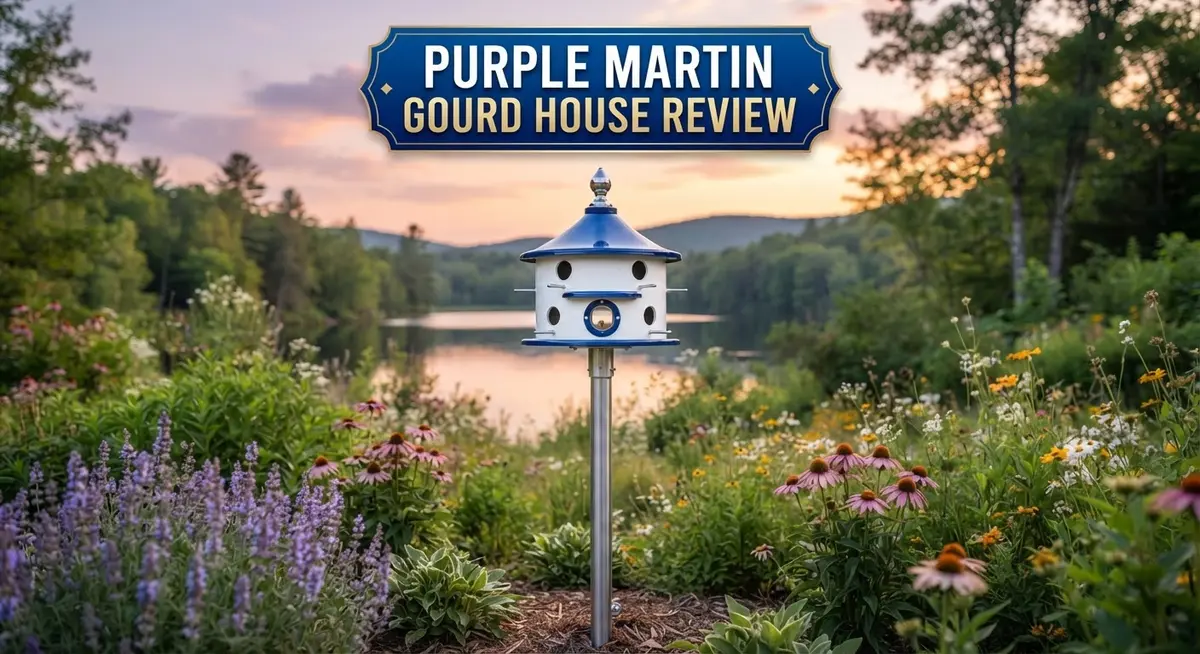
Purple Martin Gourd House Review: Best Nesting Solutions for Purple Martins
Purple Martins are picky birds. They need the right home to nest and thrive.
That’s where gourd houses come in. These homes copy natural tree cavities. Birds love them for good reason.
A Purple Martin Gourd House gives birds more room to grow. Each compartment measures about 6×6 inches. This beats most traditional birdhouses by a wide margin.
These houses also make life easier for you. You can remove them each season. Storage becomes simple and quick.
Deluxe systems take things further. They include aluminum arms and pulley systems. Setup becomes smooth and stress free.
In this review, we break down the real pros and cons. We cover materials, capacity, and maintenance needs. You will learn if this house fits your backyard.
Birds deserve a safe place to raise their young. Let’s find out if this gourd house delivers that promise.
In a Nutshell
Here is a quick summary of what you need to know about Purple Martin Gourd Houses.
-
Compartment size matters. Each cavity measures about 6×6 inches. This gives birds plenty of room to nest comfortably.
-
Capacity varies by model. Some houses hold 10 compartments. Others hold up to 18 compartments for larger colonies.
-
Materials differ. You can choose natural gourds or sturdy plastic options. Models like the Super Gourd and Troyer offer long lasting plastic builds.
-
Predator guards are included. Most systems come with built in guards. This keeps nests safer from unwanted visitors.
-
Weather can be a challenge. Large hail can damage thin natural gourds. Plastic alternatives hold up better in rough weather.
-
Annual cleaning is a must. Skipping this step can lead to mite problems. A quick yearly clean keeps nests healthy.
-
Spacing makes a difference. Gourd houses space cavities better than traditional birdhouses. This reduces stress between nesting pairs.
Choosing between a single gourd or a full deluxe rack system depends on your flock size and space.
Gourd Design and Construction Materials
Natural gourds have been the traditional choice for Purple Martin housing for generations. These hollow, dried gourds offer a spacious interior that mimics the large cavities martins find in dead trees. The walls provide excellent insulation, keeping nestlings warm during cool spring nights and cool during hot summer days.
The construction of natural gourds is surprisingly durable. The thick outer shell resists most weather conditions and minor impacts. However, severe hail storms can crack or puncture thin-walled gourds, leaving them unusable for the season. This vulnerability is the main drawback to choosing natural materials.
Plastic alternatives have emerged as a modern solution. Models like the Super Gourd, Troyer, and Excluder use reinforced plastic or composite materials. These options withstand extreme weather far better than natural gourds. They also resist rot and deterioration over multiple seasons, making them a long term investment for serious martin enthusiasts.
The compartment design remains consistent across most systems. Each cavity measures roughly 6×6 inches, providing ample space for eggs and growing chicks. This size exceeds what martins typically find in nature, allowing for larger clutches and healthier fledglings.
Predator guards come standard on quality systems. These barriers prevent starlings, sparrows, and climbing predators from accessing the nesting chambers. The guards attach to entrance holes and create a protective barrier without restricting airflow.
Deluxe rack systems feature aluminum arms with 90 degree mounts. These precision engineered components allow smooth rotation for easy access during cleaning and maintenance. The 4 part pulley system lowers the entire gourd assembly to ground level, eliminating the need for ladders or climbing.
Material choice ultimately depends on your climate and maintenance commitment. Natural gourds suit mild regions with minimal severe weather. Plastic alternatives work better in areas prone to hail, extreme heat, or humidity. Both options support thriving Purple Martin colonies when properly maintained and cleaned annually.

- Classic Martin Gourd Bird House: you will receive 4 martin gourds; These martin gourd houses with entrances attract...
- Spacious and Predator-Proof: our purple martin gourd houses feature a nest approximately 6.75 inches in diameter and an...
- Durable and Robust: this plastic martin house is made of polyethylene through a single stamping process, making it...
Last update on 2026-10-06 / Affiliate links / Images from Amazon Product Advertising API
Capacity and Compartment Specifications
Purple Martin gourd houses come in different sizes to meet your needs. The standard compartment measures about 6×6 inches per cavity. This gives birds plenty of room to nest and raise their young.
Capacity varies depending on the model you choose. Some systems hold 10 compartments, while deluxe options go up to 18. This flexibility lets you support larger colonies or start small and expand later. More compartments mean more Purple Martin families can live safely on your property.
The construction materials make a real difference in how long your gourd house lasts. Natural gourds offer a traditional look that birds seem to prefer. However, modern plastic alternatives like the Super Gourd and Troyer models provide extra durability. Plastic options resist cracking and splitting better than natural gourds, especially in harsh weather.
Deluxe rack systems take functionality to the next level. These feature aluminum arms with 90 degree mounts that hold multiple gourds securely. A 4 part pulley system makes raising and lowering the entire structure simple. You can access all compartments easily for cleaning and inspection without climbing a ladder.
Predator guards come standard on quality systems. These barriers protect eggs and chicks from starlings, sparrows, and climbing predators like raccoons. The guards mount directly to each compartment entrance. They stop larger birds and mammals while allowing Purple Martins to enter freely.
Spacing between cavities matters more than many people realize. Gourd houses naturally space compartments farther apart than traditional birdhouses. This reduces aggression between nesting pairs and creates a calmer colony environment.
Annual cleaning keeps your system in top shape. Remove debris, old nesting material, and parasites each season. This simple step prevents mite infestations that can harm birds. Clean gourds also last longer and perform better year after year.
The combination of proper compartment size, adequate capacity, and protective features makes gourd houses an excellent choice for Purple Martin enthusiasts. Whether you prefer natural or plastic materials, these systems deliver reliable housing for your backyard colony.
Installation and Mounting System
Installation and mounting of a purple martin gourd house determines how well your system performs. The setup process matters just as much as the housing itself.
Deluxe systems simplify the mounting process. Most quality gourd houses use aluminum arms with 90 degree mounts. These arms attach to a central pole or post. The 90 degree angle keeps gourds level and prevents tilting. This design keeps eggs and chicks safe inside each compartment.
A 4 part pulley system makes seasonal adjustments easy. You can lower the entire rack to ground level for cleaning and maintenance. This feature saves time and reduces stress on your back. Raising and lowering takes just a few minutes with proper installation.
Pole placement is critical for success. Install your gourd house in an open area away from trees and shrubs. Purple Martins need clear flight paths to and from their nests. Mount the pole at least 40 to 60 feet away from obstacles. The higher you place the house, the better. Most systems work best at heights between 12 and 20 feet.
Secure your pole firmly in the ground. Use concrete or a heavy base to prevent wobbling. Wind can damage gourds if the pole shifts or sways too much. Check stability before you mount the gourd house on top.
Predator guards come standard on quality systems. These barriers attach to the pole below the gourd house. They stop climbing predators like raccoons and opossums. Ensure guards are installed before the breeding season begins.
Spacing between compartments affects bird behavior. Gourds mounted on aluminum arms stay properly spaced apart. This prevents aggression between nesting pairs. Each bird family gets its own secure territory.
Test your pulley system before birds arrive. Lower and raise the entire rack several times. Make sure all movements run smoothly. Lubricate any squeaky joints with light oil. A well installed gourd house operates reliably for years.
Top 3 Alternatives
Stokes Select Gourd House

- Tiny gourd birdhouse 5-6" diameter
- 1 1/8" Entrance hole
- Designed for Wrens only
Last update on 2026-07-11 / Affiliate links / Images from Amazon Product Advertising API
The Stokes Select Gourd House offers a practical option for attracting purple martins to your yard. This model features a natural gourd design that mimics the birds’ preferred nesting environment. The construction uses durable materials built to withstand outdoor weather conditions throughout the season.
This gourd house includes proper ventilation holes to keep birds comfortable during hot months. The drainage system prevents water buildup inside the compartment. Installation is straightforward, making setup quick and hassle-free for most homeowners.
Woodlink Deluxe Gourd House

- Complete Bluebird Habitat Includes a cedar bluebird house with a stainless steel nest lift, offering a safe, durable...
- Durable Cedar Construction Crafted from natural cedar, this birdhouse provides a long-lasting roost that blends...
- Stainless Steel Nest Lift Innovative nest lift elevates the nesting area to improve ventilation, reduce moisture, and...
Last update on 2026-10-06 / Affiliate links / Images from Amazon Product Advertising API
The Woodlink Deluxe Gourd House brings enhanced features to gourd-style nesting. This model emphasizes quality craftsmanship with reinforced construction that lasts multiple seasons. The design includes multiple compartments, allowing several martin families to nest simultaneously.
Cleaning access points make maintenance simple once nesting season ends. The gourd shape provides the authentic appearance that purple martins naturally seek out. This option works well for people who want reliable performance without complicated installation steps.
Trendy Pet Bird Gourd

- Nutritious and Delicious Bird Food - This gourmet fruit and nut bird seed for wild birds is made with dried fruit, nuts...
- Natural Backyard Bird Feed: Our all-natural bird feed for outdoors has no fillers for less waste
- Wild Bird Feed Mix: This wild bird food mix contains shelled peanuts, almonds, pecans, cashews, pistachios, cranberries...

Last update on 2026-10-06 / Affiliate links / Images from Amazon Product Advertising API
The Trendy Pet Bird Gourd presents a modern take on traditional gourd houses. This design combines functionality with contemporary aesthetics that complement various yard styles. The gourd features smooth surfaces and clean lines while maintaining the natural shape birds prefer.
The construction emphasizes durability against UV rays and moisture damage. Entry holes are precisely sized to accommodate purple martins while excluding larger birds. This gourd house appeals to homeowners seeking both effective bird housing and attractive yard decor that blends seamlessly with their outdoor space.
Maintenance and Seasonal Care Requirements
Keeping your purple martin gourd house in great condition requires seasonal attention and basic upkeep. The good news is that maintenance stays simple when you follow a consistent routine.
Annual cleaning is your most important task. Remove all gourds or compartments after the breeding season ends, typically in late summer. Scrub the interior surfaces with a stiff brush to eliminate mite buildup, droppings, and old nesting materials. Rinse thoroughly and allow everything to dry completely before storage. This single step prevents pest infestations and keeps your system healthy for the next season.
Inspect each gourd or compartment for damage before rehanging. Natural gourds can develop cracks or thin spots over time. Plastic alternatives like the Super Gourd or Troyer models resist splitting better, making them easier to maintain in harsh climates. Check all predator guards to ensure they remain secure and functional.
Test your pulley system regularly. Lower and raise the entire rack several times to confirm smooth operation. Look for rust, fraying rope, or misaligned pulleys. Lubricate metal parts lightly if needed, but avoid products that might harm birds.
Before the spring migration arrives, mount your cleaned gourds back on the rack at proper spacing. Ensure the pole stands firmly in concrete or a weighted base. Wobbly installations invite predators and stress your birds.
Natural gourds need extra care in severe weather. Large hail can puncture thin shells, so consider plastic alternatives if you live in hail prone areas. Store all components indoors during winter months to extend their lifespan.
Monitor your system throughout the breeding season. Remove any abandoned nests promptly and watch for signs of mites or parasites. Quick action prevents small problems from becoming major issues. With consistent seasonal care, your purple martin gourd house will serve these amazing birds for many years while remaining a low maintenance addition to your yard.
Predator Protection and Safety Features
Purple martin gourd houses come equipped with predator guards as standard features on quality systems. These barriers work by blocking access to nesting compartments from unwanted visitors like starlings, sparrows, and other aggressive birds that compete for space.
The guard design uses entrance hole reducers that allow purple martins to enter while keeping larger predators out. This simple but effective mechanism prevents many common threats before they reach your eggs and chicks. The guards mount directly onto each gourd or compartment opening.
Natural gourds present some vulnerability during severe weather conditions. Large hail can crack or puncture thin gourd walls, exposing nests to the elements and predators. Plastic alternatives like Super Gourd and Troyer models offer better durability against weather damage. These synthetic options maintain the same cavity size and spacing while providing stronger protection.
Proper spacing between compartments adds another safety layer. When gourds sit at appropriate distances from each other, birds stay calmer and territorial conflicts decrease. This reduced stress makes the colony less attractive to predators hunting for easy targets.
The mounting system itself contributes to predator safety. Aluminum arms with 90 degree mounts keep gourds suspended away from climbing predators. Snakes and raccoons cannot easily access compartments when they hang freely from secure poles. A solid concrete base or heavy mounting support prevents wobbling that could allow predators to shake or topple the entire structure.
Regular inspection catches damage early before predators exploit weak spots. After each breeding season, examine every gourd for cracks, holes, or worn entrance guards. Replace damaged components before the next migration arrives.
Test your pulley system regularly throughout the year. Lowering and raising the entire rack several times confirms smooth operation and helps you spot any structural issues. A functioning pulley system also lets you quickly lower the house if you notice predator activity, giving you better access to inspect and protect your colony.
Pros and Cons
Pros
- Larger nesting chambers hold more eggs and support healthy fledglings better than natural tree cavities
- Easy to remove and store after breeding season ends, making seasonal management simple
- Better spacing between compartments reduces aggression and improves bird behavior
- Minimal mite problems when you clean annually, keeping your colony healthy
- Durable plastic options (Super Gourd, Troyer, Excluder models) resist weather damage better than natural gourds
Cons
- Natural gourds crack or break during large hail storms due to their thin shells
- Annual cleaning and inspection take time and effort to maintain properly
- Some experienced martin landlords debate whether birds prefer gourds or traditional houses overall
Who Should Buy It
Purple martin gourd houses work best for dedicated bird enthusiasts who want to support a thriving colony. If you enjoy hands-on outdoor projects, this system suits you perfectly.
You should buy this setup if you have adequate yard space. The deluxe rack systems need room for proper mounting and pulley operation. A clear area away from trees helps prevent predator access and allows birds to land safely.
Active homeowners make ideal buyers. These systems require seasonal attention. You’ll need to remove gourds after breeding season, inspect them for damage, and reinstall them before spring migration. If you’re willing to perform annual cleaning, you’ll keep mite problems minimal and your colony healthy.
This product appeals to people who want more control over nesting conditions. The compartments are larger than natural tree cavities, which means your martins can raise more eggs and healthier fledglings. Better spacing between gourds reduces aggression and improves overall bird behavior.
Consider buying if you live in a climate with mild to moderate weather. Natural gourds become vulnerable during large hail storms because their thin shells crack easily. Plastic alternatives (Super Gourd, Troyer, Excluder models) resist weather damage better, making them suitable for harsher regions.
Experienced bird watchers often prefer gourd houses over traditional mansion structures. The system offers flexibility and easier seasonal management compared to permanent installations.
Skip this purchase if you prefer low-maintenance solutions. The pulley system needs regular testing to ensure smooth operation. You must lower and raise the entire rack several times throughout the year to confirm everything works properly.
You should also avoid this if you cannot commit to consistent upkeep. Neglected gourds develop mite infestations and attract predators. Your colony depends on your willingness to clean, inspect, and maintain the system annually.
This gourd house works best for people who view martin care as a rewarding hobby. If you’re ready to invest time and effort into creating a safe, spacious home for your colony, this system delivers excellent results.
Final Verdict
Purple Martin gourd houses offer a smart way to welcome these beautiful birds into your yard. They give martins a safe home that feels close to nature.
Choosing between a natural gourd and a plastic alternative depends on your goals. Plastic models like the Super Gourd or Troyer system last longer through seasons of use.
Natural gourds bring charm and authenticity to your bird sanctuary. They connect your yard to traditional martin housing methods used for generations.
The right choice comes down to your lifestyle. Some homeowners want a simple setup they can enjoy year after year. Others prefer the hands on experience of caring for natural materials.
Think about your long term goals before you decide. A martin colony grows over years, not months. Your housing choice today shapes that growth.
Gourd houses reward patience and attention. Birds often return to the same nesting spots each season. This creates a lasting bond between you and your colony.
The system you pick should match how much time you want to invest. Both natural and plastic options help martins thrive when set up correctly.
Many bird lovers start with one style and later mix both types. This gives colonies more variety and can boost overall nesting success.
Your yard becomes part of a larger conservation effort when you host purple martins. These birds depend on human made housing more than most backyard species.
A well chosen gourd house supports that mission beautifully. It gives martins safe shelter while adding life and movement to your outdoor space.
In the end, this setup rewards those who value connection with nature. Pick the model that fits your yard, your schedule, and your passion for these remarkable birds. The right choice will serve your colony for many seasons ahead.
Frequently Asked Questions
How often should I clean the gourds?
Clean your gourds once per year, ideally after the breeding season ends in late summer or early fall. Remove old nesting material, droppings, and debris. This annual cleaning keeps mite populations low and prevents disease spread among your colony.
If you notice pest activity during the season, a quick inspection is fine. Just avoid disturbing active nests.
Can natural gourds survive harsh weather?
Natural gourds have thin shells that crack easily during large hail storms. If you live in an area with severe weather, plastic alternatives like Super Gourd or Troyer models offer better protection. Plastic gourds resist splitting and last longer through multiple seasons.
Natural gourds still work well in mild to moderate climates. Consider your local weather patterns before deciding.
What’s the difference between gourd houses and traditional martin mansions?
Gourd systems offer larger individual nesting chambers than most wooden mansion houses. The spacing between compartments reduces aggression and stress among birds. Gourds also come down easily for storage and cleaning.
Mansions sit permanently in place. Some people prefer their compact design. Your choice depends on whether you want flexibility and easier maintenance.
Do I need special mounting equipment?
Deluxe gourd systems include aluminum arms with 90 degree mounts and a 4 part pulley mechanism. This setup lets you raise and lower the entire rack without climbing. Individual gourds need basic hooks or brackets.
The pulley system makes seasonal removal simple. If you want convenience, choose a complete rack system rather than individual gourds.

Kashvi is a passionate bird enthusiast and nature lover who has been fascinated by the world of birds for years. With a keen eye for detail and a love for learning, Kashvi is dedicated to sharing her knowledge and insights with fellow bird enthusiasts on Avian Enthusiasts. Through her engaging and informative articles, Kashvi aims to inspire others to join her in exploring the fascinating world of birds and to promote a deeper appreciation for these incredible creatures.