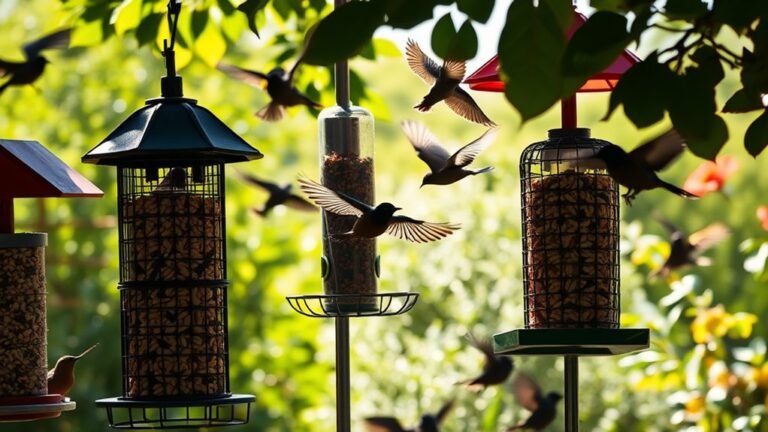
Doves in Michigan: Identification and Symbolism
Doves in Michigan, including the Mourning Dove and the Eurasian Collared-Dove, contribute to the state's wildlife diversity. They have soft gray-brown feathers and distinct calls that make them easy to recognize in different environments. Learning to identify these birds can deepen your appreciation for them.
Doves also carry strong meanings in many cultures, often symbolizing peace and hope. Understanding these aspects of doves helps us better connect with nature and recognize the importance of these birds in our lives.
Key Takeaways
Michigan is home to two main dove species: Mourning Doves and Eurasian Collared-Doves. Mourning Doves are known for their gentle cooing calls. Eurasian Collared-Doves have a distinctive black neck "collar."
Both types of doves range in size from 9 to 14 inches. They have soft gray-brown feathers that help them blend into their surroundings. This camouflage aids their survival in the wild.
Doves are symbols of peace and tranquility, contributing to Michigan's natural beauty and wildlife diversity. Their role in the ecosystem is important; they disperse seeds and interact with their environment through nesting and feeding.
These charming birds enhance Michigan's scenery and enrich the local ecosystem. Enjoy observing them as they bring a sense of calm to the landscape.
Overview of Dove Species in Michigan

Although you might primarily associate doves with peace and tranquility, Michigan is home to several distinct species that play vital roles in the state's ecosystem.
Understanding dove migration patterns is essential, as many species travel long distances, often returning to the same locations seasonally. This behavior not only impacts local biodiversity but also influences food availability and predator-prey dynamics.
Similarly, dove nesting habits reveal significant adaptations to various environments within Michigan. These birds typically nest in trees or shrubs, using materials like twigs and grasses.
Observing their nesting choices offers insights into habitat preferences and ecological health. Collectively, this information enhances your appreciation of doves as integral components of Michigan's wildlife tapestry, fostering a deeper connection to the environment.
Mourning Dove: Characteristics and Habitat
When you encounter a Mourning Dove in Michigan, its slender body and long, pointed tail immediately catch your eye.
These graceful birds exhibit distinct mourning dove behaviors, such as their gentle cooing calls, which create a serene atmosphere in their habitat. With a wingspan of around 18 inches, Mourning Doves are often seen foraging for seeds on the ground or perched quietly on branches, scanning their surroundings.
They thrive in open areas, including fields, parks, and suburban neighborhoods, where they find ample food and nesting sites.
Their soft plumage, ranging from light gray to brown, allows them to blend seamlessly into their environment.
Observing this species can foster a deeper connection to the diverse wildlife around you, embracing nature's beauty.
Eurasian Collared-Dove: Features and Range

The Eurasian Collared-Dove, recognizable by its distinctive black "collar" or crescent-shaped mark on the nape of its neck, presents a striking appearance in Michigan's avian population.
This species thrives in a variety of Eurasian habitats, ranging from urban areas to rural landscapes. You'll notice their penchant for perching on fences and wires, displaying their characteristic collared behavior.
These doves are adaptable birds, successfully nesting in various environments. Their cooing calls can often be heard, creating a familiar backdrop to your surroundings.
As you observe them, it becomes clear that the Eurasian Collared-Dove contributes uniquely to the diversity of Michigan's wildlife, inviting a sense of connection with nature that many of us deeply value.
Identifying Doves: Size, Coloration, and Behavior
Identifying doves in Michigan requires an understanding of their size, coloration, and behavior. Here are key aspects to evaluate:
- Size Comparison: Doves typically range from 9 to 14 inches in length.
- Coloration: Look for soft gray-brown feathers, with lighter underparts and distinctive markings.
- Behavioral Traits: Doves often coo softly and can be seen foraging on the ground or perched quietly.
- Flight Patterns: Their flight tends to be rapid and direct, with a unique bobbing motion.
Pay close attention to these features, as they can help you differentiate between various dove species in your area.
The Role of Doves in Michigan's Ecosystem

Understanding the ecological role of doves in Michigan reveals their importance as both seed dispersers and a food source for predators.
These birds engage in dove feeding primarily on seeds and grains, which aids in the natural process of seed dispersal. As they move through different habitats, they inadvertently spread seeds, promoting plant diversity.
Additionally, doves have specific nesting habits, often choosing dense foliage, which offers shelter for their young. This choice not only protects their offspring but also supports an intricate web of life, as these nests can attract various species.
The Symbolism of Doves Across Cultures
Throughout history, doves have symbolized a range of concepts across diverse cultures, often embodying peace, love, and hope. Their significance transcends borders, creating connections among people.
Here are some key cultural meanings of doves:
- Peace Symbols: Doves are internationally recognized as emblems of peace.
- Love and Fidelity: In many cultures, doves represent romantic love and loyal partnerships.
- Spiritual Messengers: Doves feature prominently in various religious traditions, symbolizing divine communication.
- New Beginnings: In numerous stories, doves herald new chapters and fresh starts.
These cultural meanings enhance your understanding of doves, inviting you to appreciate their role as unifying symbols that resonate deeply within human experiences.
They remind you of the interconnectedness of peace and hope across the world.
Doves in Art and Literature
Art and literature have long embraced doves as potent symbols, weaving their imagery into narratives and visual expressions that capture the essence of peace, love, and hope. In various cultures, dove symbolism represents a longing for unity and reconciliation.
You might encounter artistic representations of doves in paintings, sculptures, and poetry, often set against backgrounds of tranquility or conflict. Artists use doves to evoke emotions, inviting viewers to reflect on their own desires for a harmonious existence.
In literature, doves frequently appear as harbingers of good fortune or messengers of truth, providing depth to character development and thematic exploration. By engaging with these representations, you can discover a rich tapestry of meaning that resonates across different contexts and experiences.
Tips for Dove Watching in Michigan
While the beauty of doves can be appreciated from a distance, observing them in their natural habitat can deepen your appreciation for these gentle birds.
Here are some dove watching tips to enhance your experience in Michigan:
- Choose Ideal Viewing Times: Early mornings or late afternoons are when doves are most active.
- Select Perfect Locations: Parks, nature reserves, and gardens often attract doves looking for food and shelter.
- Use Binoculars: These will give you a closer view without disturbing their natural behavior.
- Be Patient: Finding doves might take time, but quietly observing can lead to satisfying moments.
Frequently Asked Questions
Are Doves in Michigan Protected by Law?
Doves in Michigan are protected by law. Their habitats must be preserved. This protection helps ensure their survival and supports conservation efforts. It is important to respect local wildlife and understand these laws to contribute to their well-being.
What Do Doves Eat in Michigan?
Doves in Michigan mainly eat bird seeds, like millet and cracked corn. To attract them, keep a steady supply of these seeds in your yard. Doves will return regularly for food and companionship.
How Can I Attract Doves to My Yard?
To attract doves to your yard, set up feeding stations with seeds like cracked corn or millet. Add shrub cover and provide water sources to make your yard inviting for them. This simple setup will help you enjoy the presence of doves in your outdoor space.
Are Doves Migratory Birds in Michigan?
Doves are migratory birds in Michigan. They migrate to find food and suitable habitats during seasonal changes. In Michigan, they thrive in areas with plenty of food and shelter. Learning about dove migration helps you appreciate their role in nature. Creating a friendly environment in your yard can attract them and support their journey. Enjoy watching these beautiful birds as they visit.
Do Doves Mate for Life in Michigan?
Doves mate for life. They form strong bonds with their partners and participate in unique courtship rituals. Observing these behaviors can help you appreciate their commitment and emotional ties. This knowledge adds to your understanding of doves and their interactions.

Kashvi is a passionate bird enthusiast and nature lover who has been fascinated by the world of birds for years. With a keen eye for detail and a love for learning, Kashvi is dedicated to sharing her knowledge and insights with fellow bird enthusiasts on Avian Enthusiasts. Through her engaging and informative articles, Kashvi aims to inspire others to join her in exploring the fascinating world of birds and to promote a deeper appreciation for these incredible creatures.