
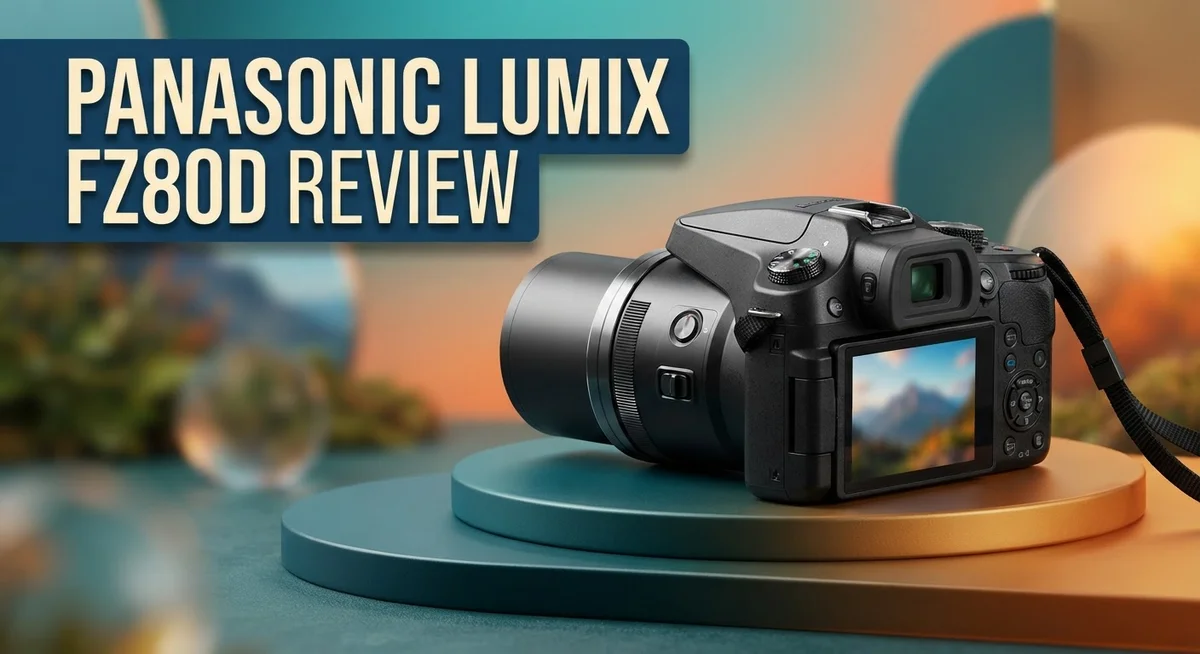
Panasonic Lumix FZ80D Review: 60x Zoom Bridge Camera for Travel Photography
Want a camera that zooms close to anything you see? The Panasonic Lumix FZ80D might be your new best friend.
This camera packs a massive 60x optical zoom. It stretches from 20mm all the way to 1200mm. You can shoot wide landscapes and distant wildlife with the same camera.
The FZ80D also shoots crisp 4K video at 30fps. It uses a reliable autofocus system that locks onto subjects fast. You get sharp results even in tricky moments.
Simple controls make this camera easy to carry and use every day. It fits well for beginners and casual shooters alike.
But does this superzoom hold up where it matters most? Let’s look at how the Panasonic Lumix FZ80D performs in real world shooting, and whether its strengths outweigh a few notable flaws.
In a Nutshell
Here is the quick rundown of what makes this camera tick and where it falls short.
-
Autofocus works fast and stays reliable, even when you track moving subjects. This makes action shots much easier to capture.
-
The 1/2.3″ sensor keeps the camera compact, but it limits overall image quality compared to larger sensor cameras.
-
Low light shots suffer noticeably. Noise creeps in fast once light levels drop, so indoor or evening photos need extra care.
-
The menu system and interface feel clunky and outdated. Many users call it frustrating to navigate during quick shooting moments.
-
Optical image stabilization helps steady those long zoom shots, which matters a lot at 1200mm equivalent reach.
-
Compared to rivals like the Canon PowerShot SX50 and Panasonic Lumix P950, the FZ80D holds its own on zoom range but falls slightly behind on image clarity.
-
Overall, this camera suits casual shooters who want reach over refinement. It is not built for low light or professional level detail.
Zoom Range and Optical Performance
The zoom range on the FZ80D is genuinely impressive. You get a 20 to 1200mm equivalent focal length, which means 60x optical magnification at your fingertips. This lets you capture distant subjects without stepping closer or losing image quality to digital zoom.
What makes this zoom range special? The camera maintains optical quality throughout the entire range. You can frame a bird on a distant branch or catch stadium action from the bleachers. The lens stays sharp from edge to edge, even at maximum extension.
The optical performance shines brightest in daylight and well lit scenes. Colors pop, details stay crisp, and contrast remains punchy. The 18.1MP sensor captures enough detail for prints and screen viewing. You won’t feel shortchanged when examining your shots on a computer monitor.
Optical image stabilization becomes your best friend at longer focal lengths. At 1200mm, even tiny hand movements blur the frame. The stabilization system compensates for this shake, letting you shoot handheld without a tripod. This feature alone makes the FZ80D more practical for everyday use.
Autofocus performance keeps pace with the zoom capability. The camera locks onto subjects quickly and tracks moving targets reliably. Whether you’re photographing a running child or a flying airplane, focus acquisition stays responsive. You rarely miss the shot because the camera couldn’t focus fast enough.
However, the small 1/2.3 inch sensor does impose limits. Compared to cameras with larger sensors, the FZ80D struggles with fine detail in complex scenes. Texture and subtle gradations sometimes look slightly soft, especially when you zoom in on your computer.
The zoom range makes this camera excel at specific shooting situations. Wildlife photographers appreciate the reach. Sports fans love capturing distant action. Travel photographers enjoy the flexibility without carrying multiple lenses. If your main goal involves photographing subjects far away, this camera delivers the goods. The optical performance remains consistent, and the stabilization system keeps your images steady even when you’re pushing the zoom to its limits.

- An Always-Clear View, Even in Bright Sunlight: This Panasonic camera's 2,360K-dot Large LVF 0.74x (35mm camera...
- Amazing Video Quality for Fast-Paced Action: This 4k camera features 4K Video Mode that records up to 4x resolution of...
- Shoot Now, Focus Later: The Panasonic digital camera Post Focus feature gives you the power to touch the area you'd like...

Last update on 2026-09-28 / Affiliate links / Images from Amazon Product Advertising API
Video Capabilities and 4K Recording
The FZ80D captures video in 4K resolution at 30 frames per second, which gives you smooth, detailed footage for modern displays. This capability sets it apart from many compact cameras in its class.
Recording 4K video means larger file sizes, so you’ll want fast memory cards. The camera handles the encoding well without overheating during typical shooting sessions. You get clean, sharp video output that works great for YouTube uploads or personal archives.
The optical image stabilization becomes your secret weapon for 4K recording. At longer zoom distances, even tiny camera movements show up on screen. The stabilization system counteracts shake and keeps your footage watchable. This matters most when you’re zoomed in at 1200mm equivalent and standing without a tripod.
Autofocus during video recording stays responsive and accurate. The camera tracks moving subjects smoothly without hunting back and forth. You can follow wildlife, vehicles, or people without jarring focus shifts that ruin the shot.
The small 1/2.3 inch sensor does limit video quality compared to larger sensor cameras. In bright daylight, you won’t notice much difference. Shadow areas and indoor scenes show more noise than you’d see on professional gear. Colors stay vibrant, but fine detail gets softer in lower light conditions.
Frame rate options keep things simple. You get 4K at 30fps as the main option, which works fine for most situations. The camera doesn’t offer 60fps 4K recording, so slow motion isn’t possible at ultra high resolution.
Autofocus performance during video is one of the FZ80D’s genuine strengths. It rarely fails to lock onto your subject, even when you’re zoomed way in. Panning across scenes feels natural because focus transitions happen smoothly.
The menu system for video settings feels outdated and clunky to navigate. Finding specific recording options takes more clicks than it should. Once you set your preferences, you can stick with them, but initial setup requires patience.
Overall, the FZ80D delivers capable 4K video recording that suits daily content creation and personal use. The zoom range combined with stabilization makes it excellent for capturing distant subjects in motion.
Sensor Size and Image Quality
The FZ80D uses an 18.1MP effective sensor with a 1/2.3″ frame size. This compact sensor allows the camera to stay portable while delivering solid image quality in ideal conditions.
Image quality shines in daylight and well lit environments. The sensor captures plenty of detail when light is abundant. Colors appear natural and vibrant without excessive processing. Contrast handling works well across most scenes.
The real challenge emerges when light drops. Low light performance is noticeably weak. Noise becomes visible at higher ISO settings. The sensor struggles to gather enough light at 1/2.3″ size. This limitation affects both still photos and video recordings.
Dynamic range sits in the middle ground. The camera preserves highlight detail reasonably well. Shadow areas retain acceptable information in most shots. However, you won’t get the flexibility that larger sensors offer for post processing.
The 18.1MP resolution provides enough pixels for standard prints and web sharing. Cropping flexibility exists if you need to reframe shots. The resolution feels adequate rather than exceptional for a camera in this class.
Sharpness is solid throughout the zoom range. The lens and sensor work together effectively. Fine details remain crisp even at moderate zoom positions. Edge sharpness holds up well across the frame.
Color reproduction tends toward accuracy. Skin tones look natural without excessive warmth or coolness. Saturation levels feel appropriate for most subjects. White balance tracks well under consistent lighting.
The sensor’s small size creates trade offs. You gain portability and the incredible 60x zoom capability. You lose the image quality advantages that larger sensors provide. This is the core compromise of the FZ80D design.
For casual photography, travel, and wildlife shooting, the image quality proves sufficient. The camera delivers clean, detailed images in good light. For professional work or demanding low light situations, the sensor limitations become apparent. Understanding these boundaries helps you decide if this camera matches your needs.
Top 3 Alternatives
Canon PowerShot SX70

Last update on 2026-10-06 / Affiliate links / Images from Amazon Product Advertising API
The Canon PowerShot SX70 offers impressive zoom capabilities that rival the Lumix FZ80D. This camera features a 65x optical zoom lens, allowing you to capture distant subjects with sharp detail. The autofocus system works quickly and accurately in various lighting conditions.
You get a 20.3-megapixel sensor that produces clear images. The electronic viewfinder helps you frame shots precisely. Battery life performs well, letting you shoot for extended periods without frequent charging.
Sony Cyber-shot HX99

- ZEISS Vario-Sonnar T* 24-720mm High Magnification Zoom and High Image Quality Lens
- Stunning 4K video with full pixel readout and no pixel binning
- Upgraded BIONZ X image processing engine and newly implemented front-end LSI ensure outstanding image quality
Last update on 2026-10-06 / Affiliate links / Images from Amazon Product Advertising API
Sony’s Cyber-shot HX99 brings compact design with powerful performance. This camera packs a 28x optical zoom into a smaller body than many competitors. The 18.2-megapixel sensor captures excellent detail in both bright and low-light situations.
The camera includes built-in Wi-Fi for easy image transfer to your devices. Fast autofocus tracking keeps moving subjects in focus. The articulating screen lets you shoot from creative angles without contorting yourself.
Nikon Coolpix B700

- 20.2MP 1/2.3" BSI CMOS Sensor
- NIKKOR Super ED 60x Optical Zoom Lens and rechargeable Li-ion battery EN-EL23
- 24-1440mm (35mm Equivalent) and focal length is 4.3 to 258mm,maximum aperture is f/3.3, to 6.5
Last update on 2026-09-11 / Affiliate links / Images from Amazon Product Advertising API
The Nikon Coolpix B700 delivers a 60x optical zoom that brings far-away scenes closer. You get a 20.2-megapixel sensor with solid color reproduction. The camera handles video recording smoothly, making it suitable for both photos and footage.
Weather-resistant construction protects your gear during outdoor adventures. The electronic viewfinder provides a clear preview of your shots. Manual controls give you creative freedom when you want it, while automatic modes simplify things for casual shooting.
Autofocus Speed and Reliability
The FZ80D’s autofocus system stands out as one of its most reliable features. The camera locks onto subjects quickly and maintains focus accurately across the entire 20-1200mm zoom range. This responsiveness matters when you’re shooting fast-moving wildlife or tracking subjects at extreme focal lengths.
The autofocus speed keeps pace with the zoom capability. You won’t experience noticeable lag when you’re zoomed in tight on distant subjects. The system works hard to maintain sharpness even when light conditions shift slightly. This consistency makes the camera feel predictable and trustworthy in the field.
During video recording, autofocus performance shines even brighter. The camera adjusts focus smoothly without hunting or sudden jumps. You get continuous, accurate tracking as subjects move through your frame. This reliability makes the FZ80D suitable for recording video content that demands professional-looking focus transitions.
The autofocus system does have one notable limitation. In very low light situations, the camera struggles to lock focus quickly. This isn’t unique to the FZ80D, but it’s worth knowing if you shoot frequently in dim environments. The small sensor compounds this challenge by limiting light gathering ability.
Contrast detection autofocus forms the foundation of this system. The camera analyzes contrast in the scene to determine focus position. This method works extremely well in daylight and moderately lit conditions. It delivers the accuracy and speed you need for most everyday shooting situations.
The focus points cover the frame reasonably well. You can select different focus zones to prioritize specific areas. This flexibility helps you compose shots with precision. The controls for focus selection remain simple and intuitive, even if the overall menu system feels outdated.
Reliability matters most in autofocus performance. The FZ80D delivers consistent results shot after shot. You won’t encounter unexpected focus failures during important moments. This dependability makes the camera suitable for travel photography, wildlife shooting, and general documentation work where you need to trust your equipment.
User Interface and Controls
The FZ80D puts controls right where you need them. The grip feels natural in your hand, and buttons sit in logical positions. You can reach essential functions without taking your eye from the viewfinder.
The rear LCD screen measures 3.0 inches with 1,840,000 dots of resolution. This display gives you a clear preview of your shots. The screen tilts and swivels, which helps when you’re shooting at awkward angles. Live view works smoothly for both photos and video.
The physical dial on top switches between shooting modes. You’ll find dedicated buttons for video recording, playback, and menu access. The zoom lever responds instantly to your touch. Everything feels responsive and snappy during operation.
However, the menu system presents a real challenge. The interface feels outdated and clunky to navigate. Finding specific settings requires digging through multiple screens. Video settings, in particular, demand patience. New users often struggle with the logical flow of menus. Experienced photographers will adapt, but the learning curve exists.
The button layout keeps basic functions simple and accessible. You can adjust exposure, white balance, and focus modes without entering the menu system. Quick access buttons let you change settings on the fly. This straightforward approach works well for casual shooting.
The control ring around the lens lets you adjust zoom smoothly. Manual focus switching happens with a simple toggle. These mechanical controls feel reliable and precise under your fingers.
The viewfinder provides a traditional optical view. You see what the lens sees directly, without electronic delay. This real time feedback helps with composition and focus confirmation.
Overall, the FZ80D strikes a balance between simplicity and functionality. Basic controls are intuitive and easy to use. The physical design supports comfortable handheld operation for extended periods. The main drawback remains the menu system, which requires more clicks and scrolling than modern cameras offer. For photographers who stick to standard settings, this limitation rarely becomes frustrating. Those who frequently adjust video parameters or access advanced features will notice the clunky interface more often.
Pros and Cons
Pros
- 60x optical zoom reaches from 20mm to 1200mm, giving you incredible range for distant subjects
- 4K video recording at 30fps lets you capture high quality footage without switching cameras
- Autofocus system responds quickly and locks onto subjects reliably, even during video
- Simple button layout and physical controls keep everyday shooting straightforward
- Lightweight and compact design makes it easy to carry as your daily travel companion
Cons
- Small 1/2.3″ sensor struggles in low light situations, producing visible noise at higher ISOs
- Menu system feels outdated and clunky, making video settings adjustments frustrating and slow
- Limited dynamic range means you’ll lose detail in very bright or very dark areas of your shots
Who Should Buy It
The FZ80D works best for photographers who value zoom reach above all else. If you shoot wildlife, sports, or distant subjects regularly, this camera delivers the focal length you need without changing lenses.
Travel photographers find this camera ideal. The compact body fits easily into a backpack or shoulder bag. You get a complete zoom range in one lightweight package. No need to carry multiple lenses or swap equipment during your trip.
Casual hobbyists appreciate the straightforward controls. You don’t need to memorize complex menu systems to take good photos. The physical dials and buttons let you adjust settings quickly. Basic shooting modes handle most situations without confusion.
Video enthusiasts should consider this option carefully. The 4K recording capability at 30fps opens creative possibilities. The autofocus performs reliably during video capture, keeping your footage smooth and sharp. This makes it suitable for travel vlogging or event documentation.
However, this camera is NOT for professional photographers who demand maximum image quality. The small sensor produces visible noise in dim lighting. If you shoot frequently in low light conditions, you’ll notice the limitations quickly.
The FZ80D also isn’t ideal if you need fast autofocus in challenging situations. While the autofocus performs well overall, it relies on contrast detection. This method slows down in certain lighting conditions compared to phase detection systems.
Skip this camera if you’re a serious videographer. The menu system frustrates many users when adjusting video settings. The interface feels outdated and slows down your workflow. Professional video work demands faster, more intuitive controls.
This camera shines for people who want simplicity and zoom range combined. You get reliable performance without technical complexity. The lightweight design encourages daily use. Whether you’re photographing a grandchild’s soccer game from the bleachers or capturing wildlife during a nature walk, the FZ80D delivers what it promises.
The bottom line: buy this camera if zoom capability matters more to you than low light performance or advanced features.
Final Verdict
The Panasonic Lumix FZ80D earns its place as a solid all-around superzoom camera. It brings together a massive zoom range and reliable autofocus in one tidy package.
This camera does not try to be everything. It focuses on what matters most for everyday shooters: reach and simplicity.
If you compare it to the Canon PowerShot SX50 or the Panasonic Lumix P950, the FZ80D still holds its own. Each competitor offers similar zoom capabilities, but the FZ80D keeps things simpler for casual users.
Image quality remains the biggest tradeoff here. The small sensor limits detail in low light. You will notice grain and softness when shooting indoors or at dusk.
The menu system also needs work. Panasonic could improve this significantly in future models. Expect some frustration when digging through settings quickly.
Despite these flaws, the FZ80D delivers where it counts most. Zoom performance and video quality stand out as genuine strengths. You get a camera that handles distant subjects with ease.
Think about your main use case before deciding. Wildlife watchers and travel photographers will love the extended reach. Parents capturing kids at events will appreciate the quick autofocus too.
Professional photographers should look elsewhere. Serious videographers need better low light handling and more advanced controls. The FZ80D simply was not built for that level of demand.
For everyone else, this camera makes a strong case. It blends portability, zoom power, and ease of use into one body. Few cameras in this category match that combination so well.
The final takeaway is simple. Choose the FZ80D if you want one camera that does many things reasonably well. Skip it if you need top tier image quality or lightning fast performance in tough conditions.
This camera rewards photographers who value flexibility over perfection. It fits nicely into a bag for trips, hikes, or family outings. That versatility is what makes the FZ80D worth considering today.
Frequently Asked Questions
Does the FZ80D perform well in low light conditions?
The FZ80D struggles in dim environments. Its small 1/2.3″ sensor limits light collection, so photos taken at higher ISOs show visible noise. If you shoot indoors or during sunset regularly, this camera will disappoint you. Low light performance is the biggest weakness here.
What video features does this camera offer?
You get 4K video recording at 30fps, which is excellent for most creators. The autofocus locks onto subjects reliably during video capture. You can switch between photo and video modes without changing equipment. However, the menu system makes adjusting video settings slow and frustrating.
Is the FZ80D good for travel photography?
Absolutely. The 60x optical zoom means you capture distant subjects without changing lenses. The compact, lightweight design fits easily into backpacks. You’ll have one camera that handles landscapes, wildlife, and street scenes. Travel photographers consistently praise its portability and zoom range.
How does the autofocus perform?
The autofocus system responds quickly and locks onto subjects reliably. It tracks moving objects well during video recording. For everyday shooting and travel, the autofocus delivers solid results. You won’t experience frustrating delays or missed focus moments in normal conditions.
Should I buy this camera if I want professional image quality?
No. Skip the FZ80D if you’re a professional photographer demanding maximum image quality. The small sensor and menu limitations make it unsuitable for serious studio or editorial work. This camera works best for hobbyists and casual travelers who value zoom reach and simplicity over advanced features and pristine image quality.

Kashvi is a passionate bird enthusiast and nature lover who has been fascinated by the world of birds for years. With a keen eye for detail and a love for learning, Kashvi is dedicated to sharing her knowledge and insights with fellow bird enthusiasts on Avian Enthusiasts. Through her engaging and informative articles, Kashvi aims to inspire others to join her in exploring the fascinating world of birds and to promote a deeper appreciation for these incredible creatures.


