Yellow Birds: Spotting These Vibrant Avian Species Guide
Have you ever glimpsed a flash of bright yellow darting through the trees or visiting your backyard feeder? Yellow birds are some of the most eye-catching and cheerful avian species you can observe.
Their vibrant plumage adds a splash of sunshine to any landscape. In this comprehensive guide, we’ll explore some of the most common and striking yellow birds you might encounter, along with tips for identifying and attracting these colorful creatures.
Key Takeaways: Yellow Bird Spotting 101

- American Goldfinch: Bright canary yellow with black wings and forehead
- Yellow Warbler: Uniformly yellow with subtle reddish streaks on breast
- Common Yellowthroat: Olive back with bright yellow throat and black mask (males)
- Evening Grosbeak: Large finch with yellow body and black wings
- Western Tanager: Red head, yellow body, and black wings
- Yellow-breasted Chat: Largest warbler with olive back and bright yellow chest
- Prothonotary Warbler: Golden yellow head and body with gray wings
- Lesser Goldfinch: Bright yellow belly with black cap and wings
- Look for yellow birds in open woodlands, forest edges, wetlands, and backyard feeders
- Attract yellow birds with sunflower seeds, nyjer seeds, and fruit
- Use binoculars and field guides to aid in identification
- Early morning is often the best time for bird watching
Identifying Common Yellow Birds
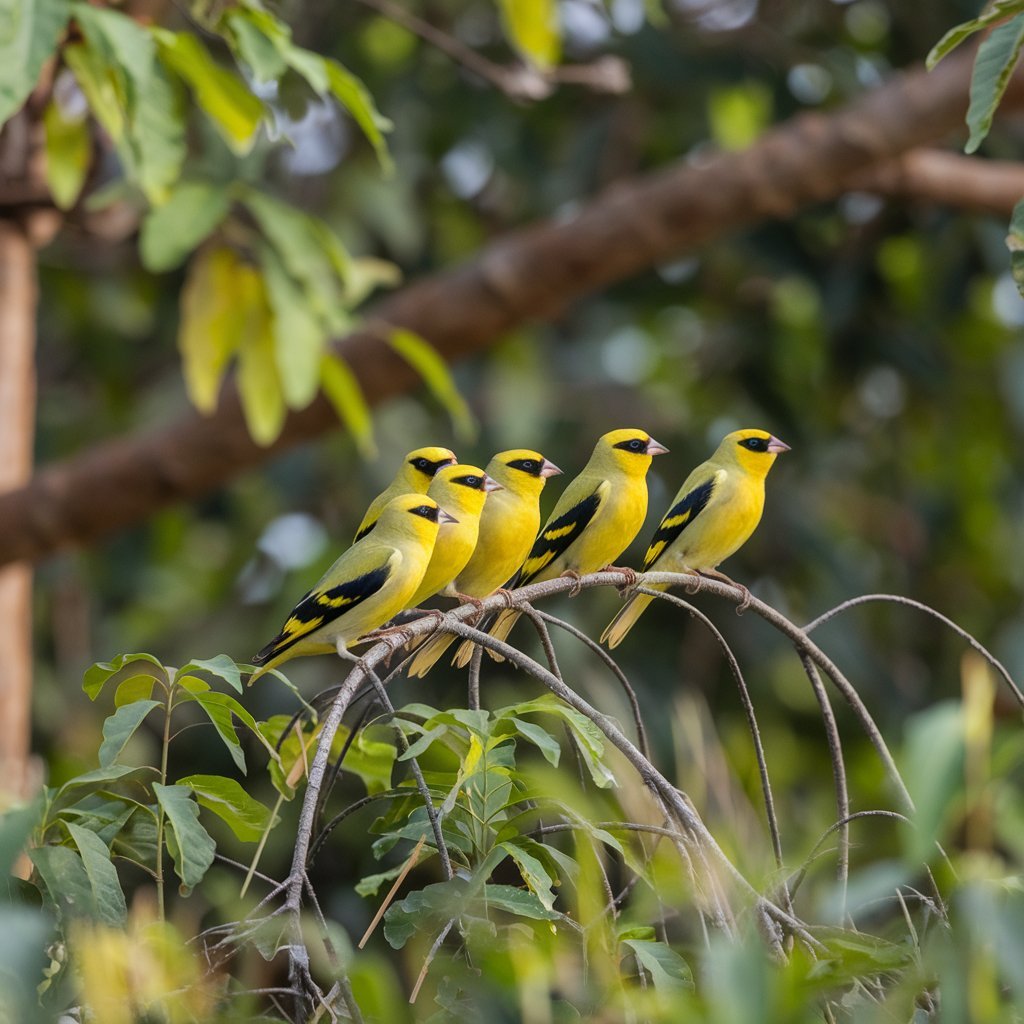
The world of yellow birds is diverse and fascinating. These vibrant creatures can be found in a variety of habitats, from dense forests to open fields and suburban backyards.
Their bright plumage serves multiple purposes, including attracting mates and camouflage in sunlit foliage.
As you delve into the world of yellow birds, you’ll discover a rich tapestry of species, each with its own unique characteristics and behaviors.
Let’s take a closer look at some of the most frequently spotted yellow birds and their key identifying features:
American Goldfinch
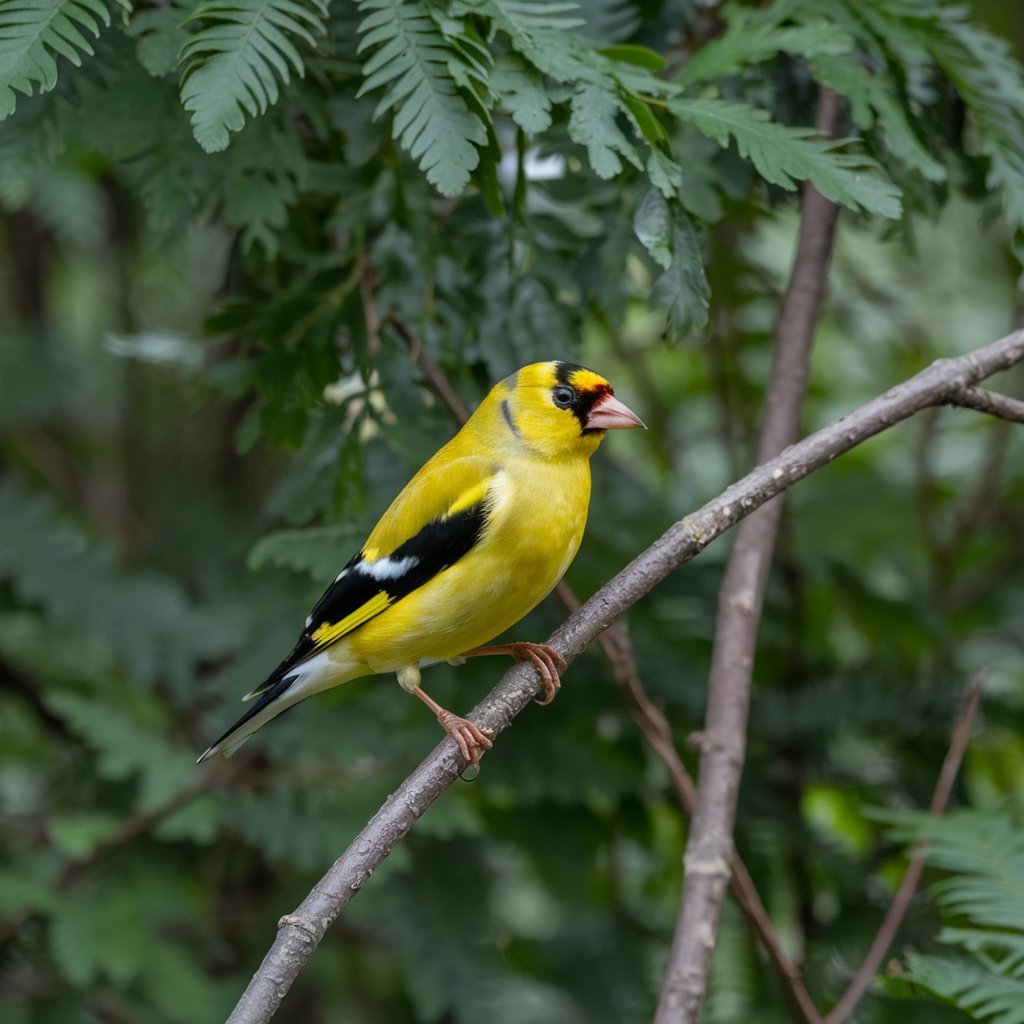
The American Goldfinch is perhaps the most iconic yellow bird in North America. Males sport a brilliant yellow body with contrasting black wings and forehead during breeding season.
Females and winter males are more subdued olive-brown. These small finches have a conical beak perfect for cracking seeds.
Yellow Warbler

True to its name, the Yellow Warbler is almost entirely yellow. Males have subtle reddish streaks on their chest, while females are a slightly duller yellow.
These small songbirds have a thin, pointed beak for catching insects. Look for them flitting about in shrubs and low trees near water.
Common Yellowthroat
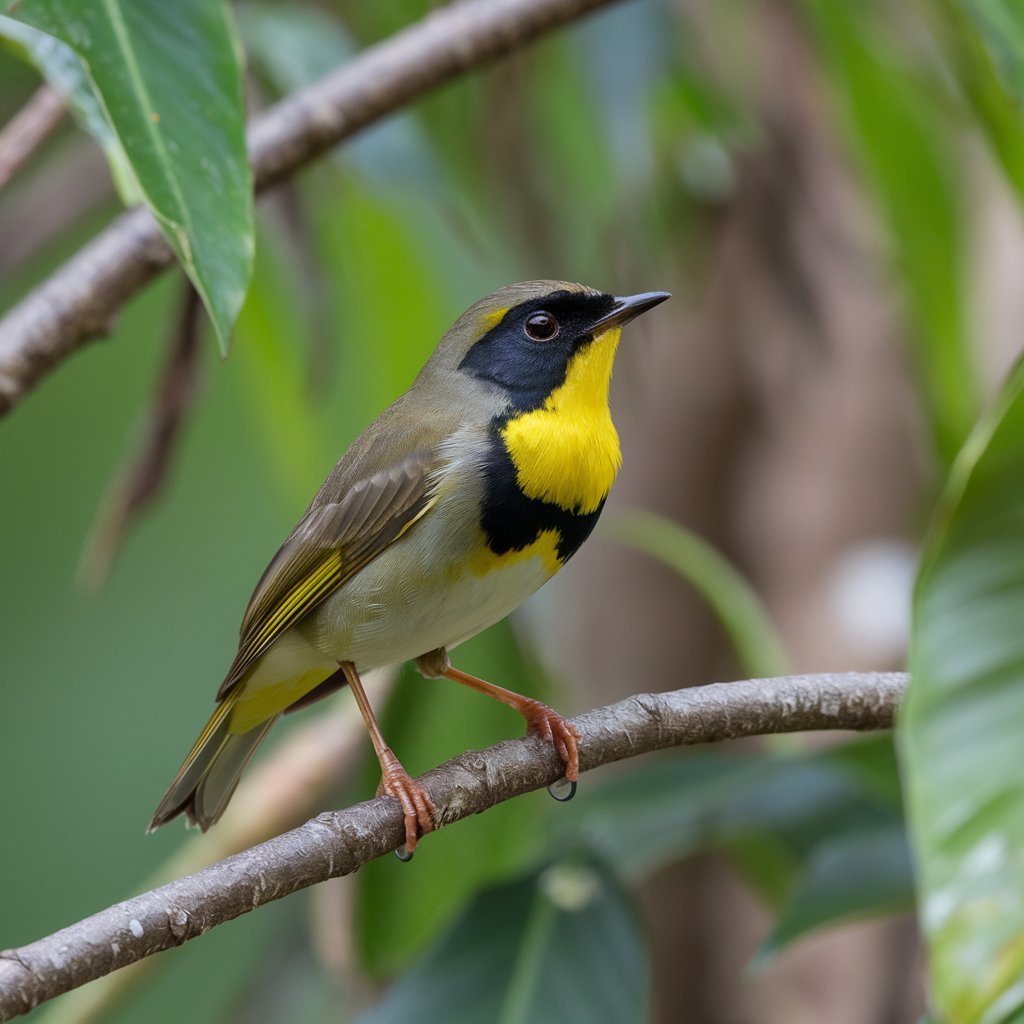
The Common Yellowthroat is a warbler with a distinctive appearance. Males have an olive-green back, bright yellow throat, and a bold black mask across their face.
Females lack the mask but still have a yellow throat. These birds prefer marshy areas and dense vegetation.
Evening Grosbeak
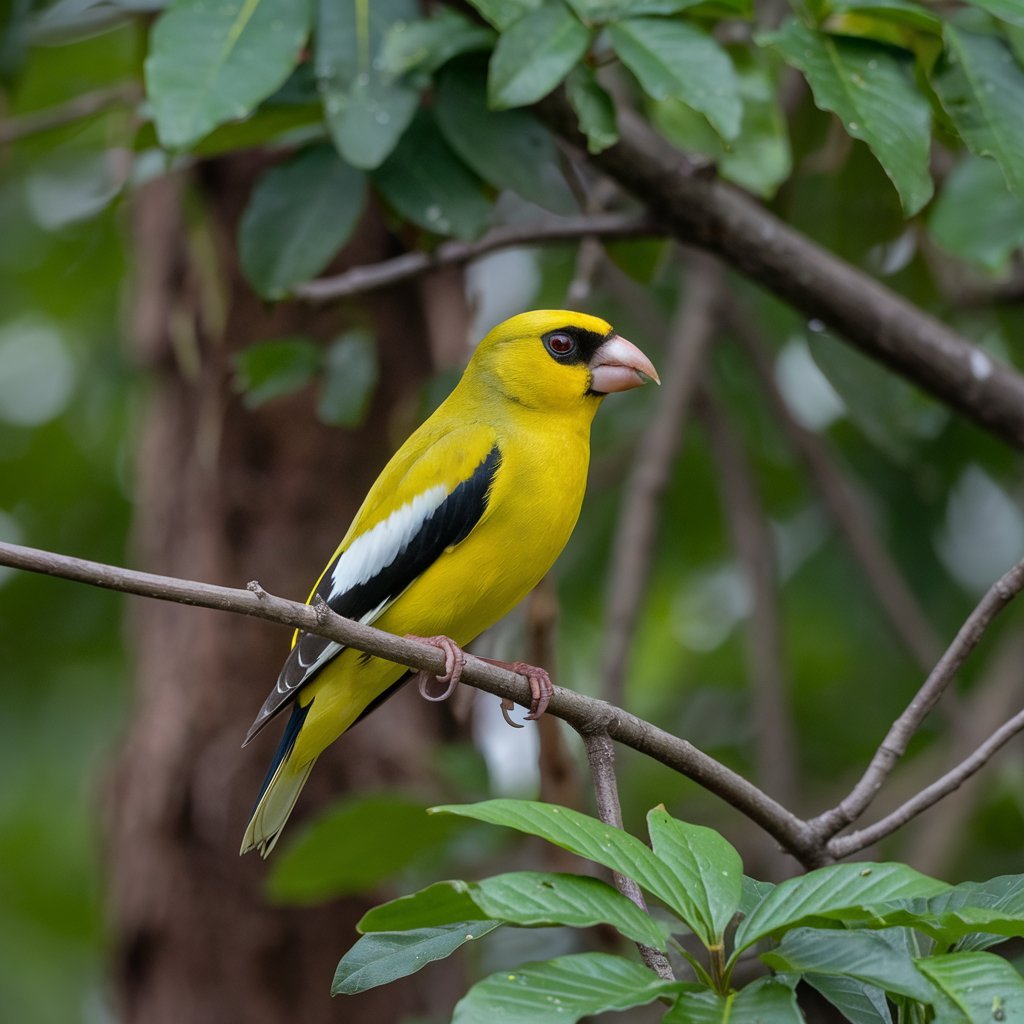
The Evening Grosbeak is a large, stocky finch with a massive beak. Males are yellow and black with a prominent yellow eyebrow, while females are mostly gray with yellow and black wings. These birds are often seen at feeders in winter.
Western Tanager

The Western Tanager is a striking bird found in western North America. Males have a bright red head, yellow body, and black wings with white bars. Females are more subdued yellow-green. Look for them in open coniferous or mixed forests.
While these are some of the most common yellow birds, there are many other species to discover. From the brilliant Prothonotary Warbler of southeastern swamps to the chatty Yellow-breasted Chat found in scrubby habitats, each yellow bird species has its own unique charm.
Learning to identify these birds can be a rewarding challenge, enhancing your appreciation for the natural world around you.
Tips for Attracting Yellow Birds to Your Yard

Want to bring these colorful visitors closer to home? Here are some tips:
- Offer the right foods: Many yellow birds love sunflower seeds and nyjer seeds. Some species also enjoy fruit.
- Provide water: A birdbath or shallow water source can attract a variety of birds.
- Plant native species: Native plants provide natural food sources and shelter.
- Avoid pesticides: A natural yard supports the insects that many yellow birds feed on.
- Leave some wild areas: Overgrown patches provide cover and nesting sites.
Creating a bird-friendly habitat in your yard not only attracts yellow birds but also supports local biodiversity.
By providing food, water, and shelter, you create a miniature ecosystem that can benefit a wide range of wildlife.
Remember that different yellow bird species have varying preferences, so offering a diverse range of resources will increase your chances of attracting multiple species.
Best Practices for Bird Watching

To maximize your chances of spotting yellow birds:
- Get up early: Many birds are most active in the early morning hours.
- Be patient and quiet: Sudden movements or loud noises can scare birds away.
- Use binoculars: A good pair of binoculars allows you to see details from a distance.
- Keep a field guide handy: This helps with identification and learning about bird behavior.
- Visit diverse habitats: Different yellow bird species prefer different environments.
Bird watching is not just a hobby; it’s a gateway to connecting with nature. As you spend time observing yellow birds, you’ll likely find yourself becoming more attuned to the natural world around you.
This heightened awareness can lead to a deeper appreciation for conservation efforts and the delicate balance of ecosystems that support these beautiful creatures.
Conservation Considerations

While many yellow birds are still common, some species face challenges due to habitat loss and climate change. You can help by:
- Supporting conservation organizations
- Participating in citizen science projects like the Great Backyard Bird Count
- Making your yard and community more bird-friendly
The conservation of yellow birds and their habitats is crucial for maintaining healthy ecosystems. Many of these species play important roles as pollinators and insect controllers.
By supporting conservation efforts, you’re not just helping birds, but contributing to the overall health of the environment.
Every action, no matter how small, can make a difference in protecting these vibrant creatures for future generations to enjoy.
Conclusion
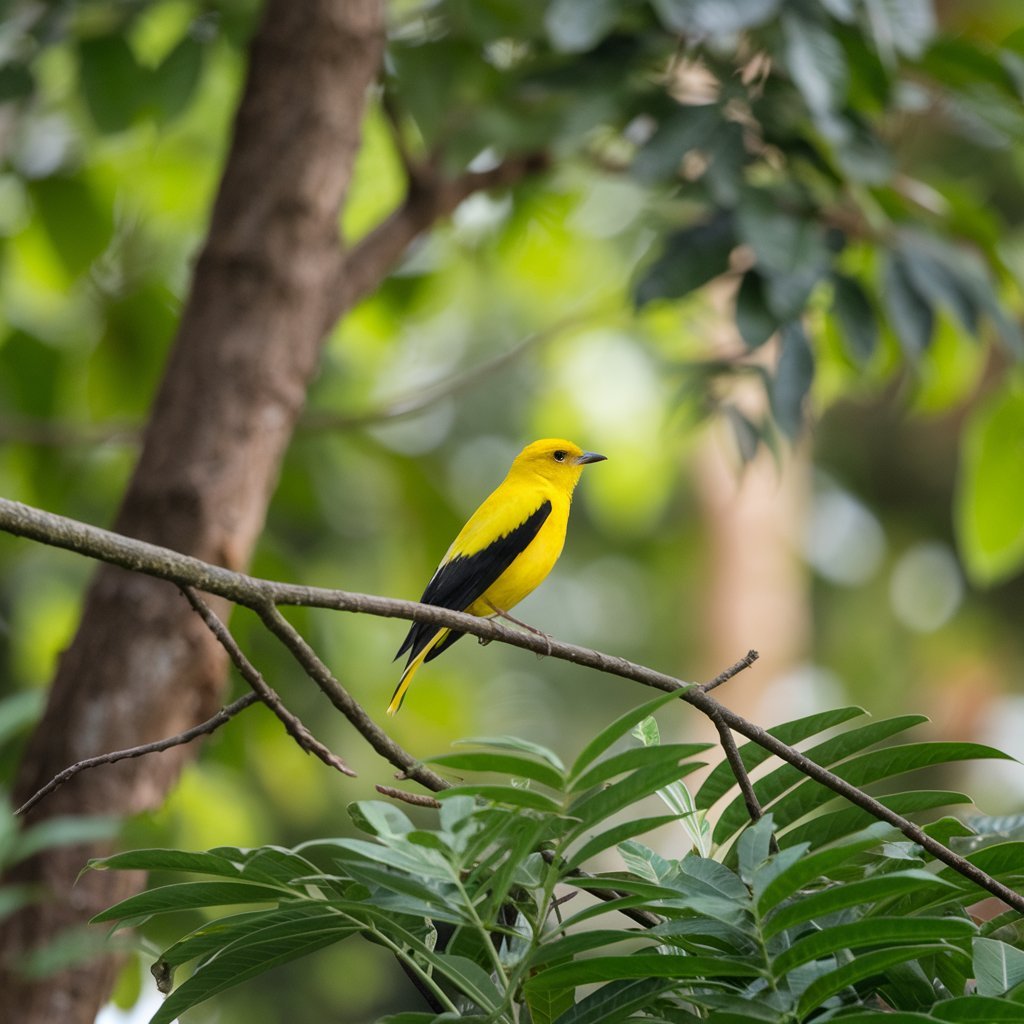
Spotting yellow birds can bring a burst of color and excitement to any nature outing. Whether you’re an experienced birder or just starting out, keep your eyes peeled for these golden-hued avian treasures.
With a little patience and knowledge, you’ll be amazed at the variety of yellow birds you can discover in your own backyard and beyond.
FAQs About Yellow Birds
What is the most common yellow bird?
The American Goldfinch is one of the most widespread and frequently seen yellow birds in North America.
Do all yellow birds eat seeds?
While many yellow birds like finches primarily eat seeds, others like warblers focus more on insects. Some species have a varied diet including fruits and nectar.
Are there any all-yellow birds?
The Yellow Warbler comes close, being almost entirely yellow. However, most yellow birds have at least some contrasting colors in their plumage.
What does it mean if I see a yellow bird?
In many cultures, yellow birds are seen as symbols of joy, positivity, and good luck. From a birdwatching perspective, it means you’ve spotted one of nature’s most vibrantly colored creatures!
How can I tell male and female yellow birds apart?
In many species, males tend to have brighter, more intense yellow coloration, especially during breeding season. Females often have more subdued, olive-tinged plumage. Specific field marks vary by species.

Kashvi is a passionate bird enthusiast and nature lover who has been fascinated by the world of birds for years. With a keen eye for detail and a love for learning, Kashvi is dedicated to sharing her knowledge and insights with fellow bird enthusiasts on Avian Enthusiasts. Through her engaging and informative articles, Kashvi aims to inspire others to join her in exploring the fascinating world of birds and to promote a deeper appreciation for these incredible creatures.