How Do Birds Mate? The Ultimate Guide to Avian Reproduction
Birds have fascinating and unique mating behaviors that differ significantly from mammals. This comprehensive guide explores the intricacies of avian reproduction, from courtship rituals to the actual mating process.
Discover the remarkable adaptations and strategies birds employ to ensure successful breeding and continuation of their species.
Key Takeaways

- Courtship Rituals: Birds engage in elaborate displays to attract mates, including:
- Singing and vocalizations
- Dancing and physical displays
- Colorful plumage exhibitions
- Gift-giving behaviors
- Reproductive Anatomy: Most birds lack external genitalia, instead using a cloaca for reproduction
- Mating Process: Birds mate through cloacal contact, often called a “cloacal kiss”
- Fertilization: Occurs internally, with sperm fertilizing eggs inside the female’s body
- Breeding Seasons: Many birds mate during spring, but timing can vary by species
- Monogamy vs. Polygamy: Some birds mate for life, while others have multiple partners
- Egg Production: Females lay hard-shelled eggs after successful fertilization
- Parental Care: Varies widely, from both parents sharing responsibilities to single-parent care
- Mating Frequency: Birds often mate multiple times during breeding season to ensure fertilization
- Sperm Storage: Some female birds can store sperm for extended periods before fertilization
The Fascinating World of Bird Courtship

Avian courtship rituals are among the most spectacular displays in the animal kingdom. These behaviors serve multiple purposes, including attracting mates, establishing pair bonds, and signaling readiness to breed. Different bird species have evolved unique courtship strategies:
- Singing and Vocalizations: Many male birds use complex songs to attract females and defend territories. The melodious tunes of songbirds are a prime example of this behavior.
- Visual Displays: Some birds rely on vibrant plumage or elaborate dances to catch the eye of potential mates. The peacock’s magnificent tail feathers and the bird-of-paradise’s intricate dance routines are iconic examples.
- Gift-giving: Certain species, like bowerbirds, create elaborate structures or offer food gifts to impress potential mates, demonstrating their ability to provide resources.
Courtship rituals in birds are not just about attracting a mate; they also serve important biological functions.
These displays help synchronize the reproductive cycles of males and females, ensuring that both partners are ready for breeding at the same time.
Additionally, the energy and skill required for these displays can indicate the overall health and fitness of a potential mate, allowing birds to make informed choices about their partners.
Bird Reproductive Anatomy: Unique Adaptations
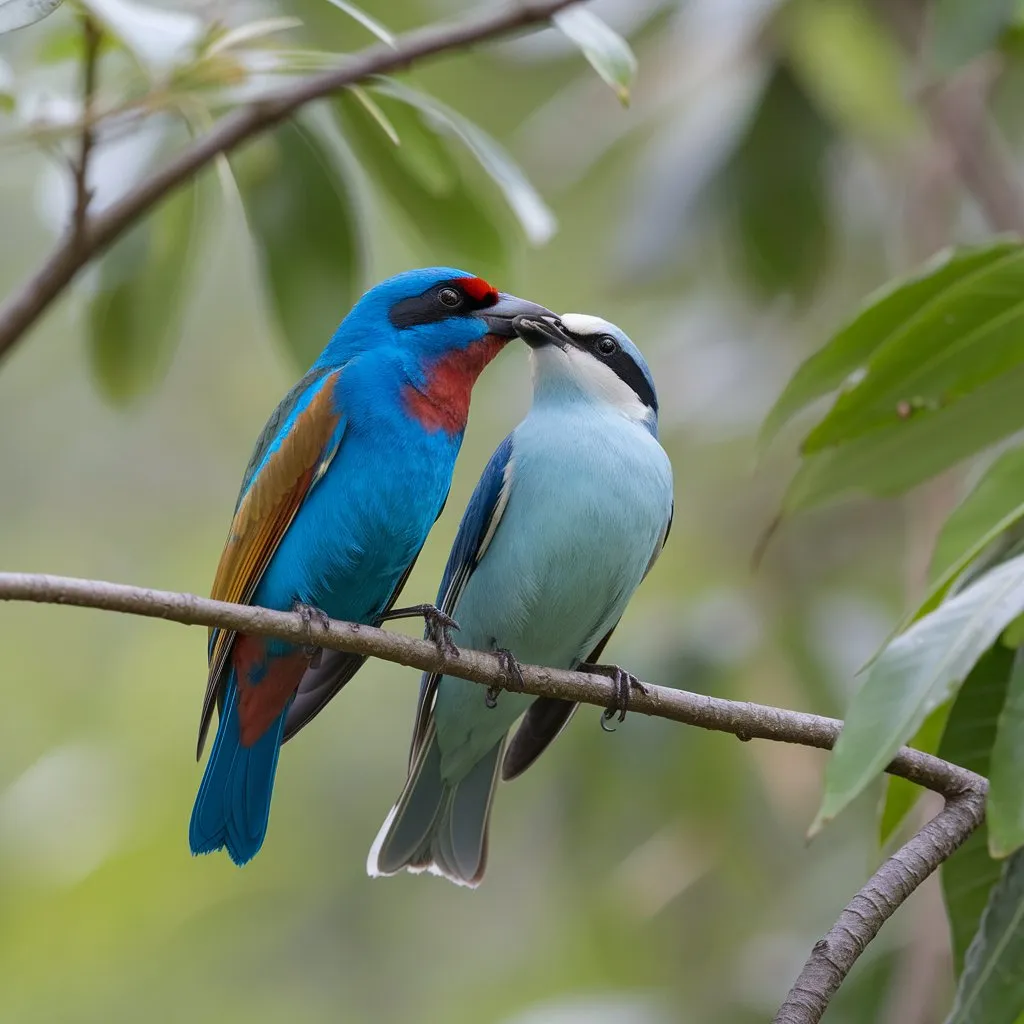
Unlike mammals, most birds have a simplified reproductive system that sets them apart:
- Cloaca: Both male and female birds possess a single opening called the cloaca, which serves multiple functions, including reproduction, urination, and defecation.
- Internal Testes: Male birds have internal testes that produce sperm, unlike the external testes found in most mammals.
- Ovaries: Female birds typically have only one functional ovary, usually on the left side of their body.
The unique reproductive anatomy of birds has evolved over millions of years to suit their specific needs and lifestyle.
Unlike mammals, birds have lightweight bodies adapted for flight, which has influenced the development of their reproductive organs.
The internal location of testes in males and the typically single functional ovary in females are adaptations that help maintain the bird’s aerodynamic shape while still allowing for successful reproduction.
The Mating Process: The Cloacal Kiss
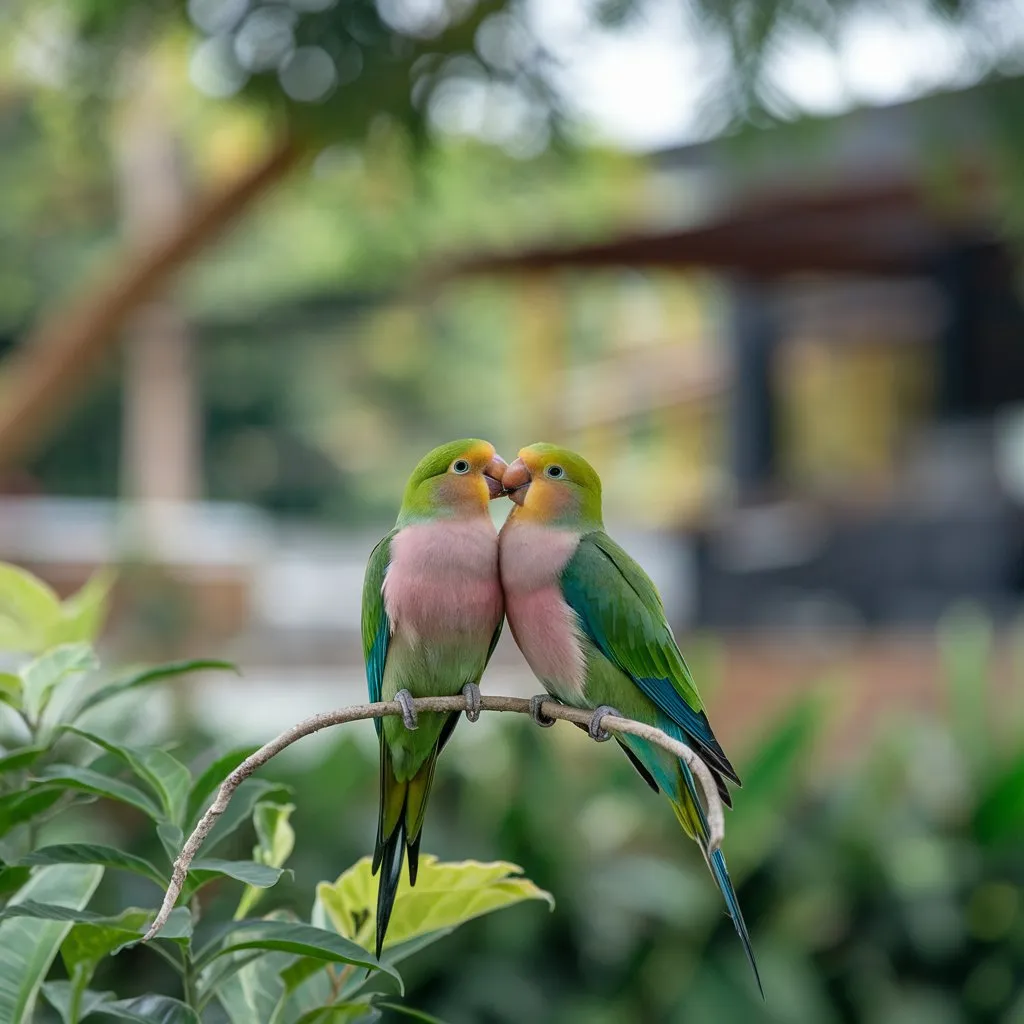
Bird mating is a swift and precise process:
- The male mounts the female from behind.
- Both birds position their cloacas to make contact.
- The male transfers sperm to the female through a brief touch of their cloacas, known as the “cloacal kiss“.
- This contact typically lasts only a few seconds.
The cloacal kiss is a remarkable adaptation that allows birds to reproduce efficiently while maintaining their ability to fly.
This brief contact ensures that sperm transfer occurs quickly, minimizing the time birds are vulnerable to predators during mating.
The process also demonstrates the incredible precision birds have developed in their mating behaviors, as successful fertilization depends on this momentary connection.
Internal Fertilization and Egg Production
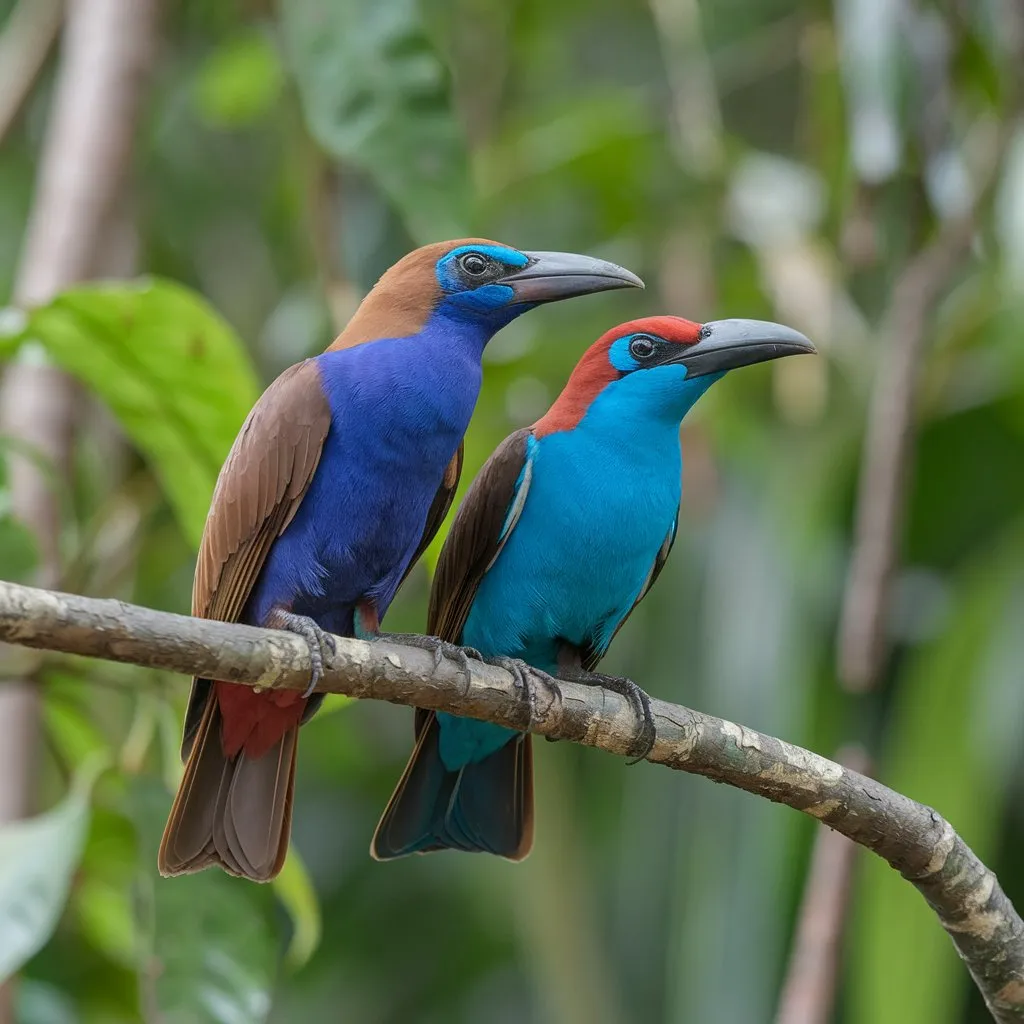
After mating, the female bird’s body undergoes several important processes:
- Sperm Storage: Some species can store sperm in specialized tubules for days or even weeks.
- Fertilization: Sperm fertilizes the egg in the female’s reproductive tract.
- Egg Formation: The fertilized egg develops a hard shell and other protective layers.
- Laying: The fully formed egg is laid in a nest or chosen location.
The internal fertilization process in birds is a fascinating example of evolutionary adaptation. The ability of female birds to store sperm allows for greater flexibility in timing egg production with optimal environmental conditions.
This adaptation ensures that eggs are fertilized at the most opportune moment, increasing the chances of successful hatching and survival of offspring.
Breeding Seasons and Timing

Most birds have specific breeding seasons, often coinciding with favorable environmental conditions:
- Spring Breeding: Many species in temperate regions breed in spring when food is abundant.
- Year-round Breeders: Some tropical birds may breed throughout the year.
- Environmental Cues: Factors like daylight length, temperature, and food availability trigger breeding behavior.
The timing of bird breeding seasons is a critical aspect of their reproductive strategy. By synchronizing breeding with optimal environmental conditions, birds ensure that their offspring have the best chance of survival.
This timing is often finely tuned to local ecosystems, with different species adapting their breeding seasons to match the availability of specific food sources or favorable weather patterns.
Monogamy vs. Polygamy in Birds

Birds exhibit various mating systems:
- Monogamy: Species like swans and albatrosses often mate for life.
- Serial Monogamy: Some birds have a new mate each breeding season.
- Polygyny: A male mates with multiple females, as seen in some grouse species.
- Polyandry: Rare cases where a female mates with multiple males, like in jacanas.
The diversity of mating systems in birds reflects the wide range of ecological niches they occupy.
Each system has its advantages and challenges, influencing factors such as parental care, genetic diversity, and reproductive success.
Understanding these different strategies provides valuable insights into avian evolution and behavior, highlighting the complex ways birds have adapted to their environments.
Parental Care and Nesting Behaviors
After mating, many bird species invest heavily in caring for their offspring:
- Nest Building: Both parents may construct nests using various materials.
- Incubation: Eggs are kept warm through body heat, often shared by both parents.
- Feeding Young: Parents gather food and feed their chicks until they’re independent.
- Protection: Adults defend nests and young from predators and threats.
Parental care in birds is a crucial aspect of their reproductive strategy. The level and duration of care can vary significantly between species, reflecting different ecological pressures and life history traits.
Some birds, like precocial species, produce chicks that are relatively independent at hatching, while others require extensive parental care for weeks or even months.
This diversity in parental care strategies demonstrates the remarkable adaptability of birds in ensuring the survival of their offspring.
Mating Frequency and Sperm Competition
Birds often mate multiple times during a breeding season:
- Ensuring Fertilization: Repeated mating increases the chances of successful fertilization.
- Sperm Competition: In species where females mate with multiple males, sperm from different males compete to fertilize eggs.
The frequency of mating and sperm competition in birds highlight the complex dynamics of avian reproduction.
Multiple mating events not only increase the likelihood of successful fertilization but also provide opportunities for females to select the highest quality sperm.
This process can lead to increased genetic diversity and fitness in offspring, demonstrating the sophisticated reproductive strategies that have evolved in birds.
Unique Mating Strategies in the Bird World
Some birds have developed extraordinary mating behaviors:
- Lek Mating: Males gather in specific areas to display and compete for females, as seen in sage grouse.
- Cooperative Breeding: In some species, non-breeding individuals help raise the offspring of breeding pairs.
- Brood Parasitism: Some birds, like cuckoos, lay their eggs in other birds’ nests, avoiding parental care.
These unique mating strategies showcase the incredible diversity of reproductive behaviors in the avian world.
Each strategy represents a different solution to the challenges of reproduction, reflecting the varied ecological niches and evolutionary pressures faced by different bird species.
Understanding these strategies not only provides fascinating insights into bird behavior but also helps in conservation efforts by highlighting the complex needs of different species.
The Role of Hormones in Bird Mating
Hormones play a crucial role in regulating bird mating behaviors:
- Testosterone: Influences male courtship displays and aggression.
- Estrogen: Affects female receptivity and egg production.
- Prolactin: Regulates parental behaviors like incubation and chick-feeding.
Hormonal regulation in bird mating is a complex and finely tuned system that orchestrates the entire reproductive process.
These hormones not only trigger physical changes in birds’ bodies but also influence their behaviors, ensuring that all aspects of reproduction are synchronized.
The interplay of different hormones throughout the breeding cycle demonstrates the intricate biological mechanisms that underpin avian reproduction.
Environmental Factors Affecting Bird Mating
Several external factors can impact bird mating success:
- Habitat Loss: Reduces suitable breeding areas for many species.
- Climate Change: Alters breeding seasons and food availability.
- Pollution: Can affect hormone levels and reproductive success.
- Human Disturbance: May disrupt courtship and nesting behaviors.
Environmental factors play a critical role in the success of bird mating and reproduction. As human activities continue to alter natural habitats, many bird species face significant challenges in their breeding efforts.
Understanding these impacts is crucial for developing effective conservation strategies to protect bird populations and ensure their continued reproductive success in changing environments.
FAQs About Bird Mating
How long does the mating process take for birds?
The actual mating act, or cloacal kiss, typically lasts only a few seconds. However, the entire courtship and breeding process can span days to weeks, depending on the species.
Can birds mate while flying?
No, birds cannot mate while flying. Mating requires precise positioning and balance, which is not possible during flight.
Do all bird species mate for life?
Not all birds mate for life. While some species like swans and albatrosses form long-term pair bonds, many others change mates each breeding season or have multiple partners.
How do birds choose their mates?
Birds select mates based on various factors, including physical appearance, song quality, territory size, and display performances. These traits often indicate the health and genetic quality of potential partners.
How often do birds mate during breeding season?
Mating frequency varies by species, but many birds mate multiple times throughout the breeding season to ensure successful fertilization and increase the chances of producing offspring.

Kashvi is a passionate bird enthusiast and nature lover who has been fascinated by the world of birds for years. With a keen eye for detail and a love for learning, Kashvi is dedicated to sharing her knowledge and insights with fellow bird enthusiasts on Avian Enthusiasts. Through her engaging and informative articles, Kashvi aims to inspire others to join her in exploring the fascinating world of birds and to promote a deeper appreciation for these incredible creatures.